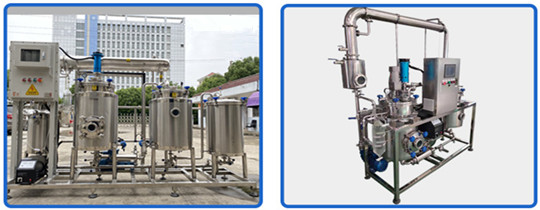
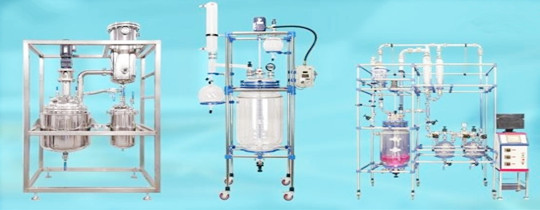


ultrasonic chemical glass reactor system
2025-12-23
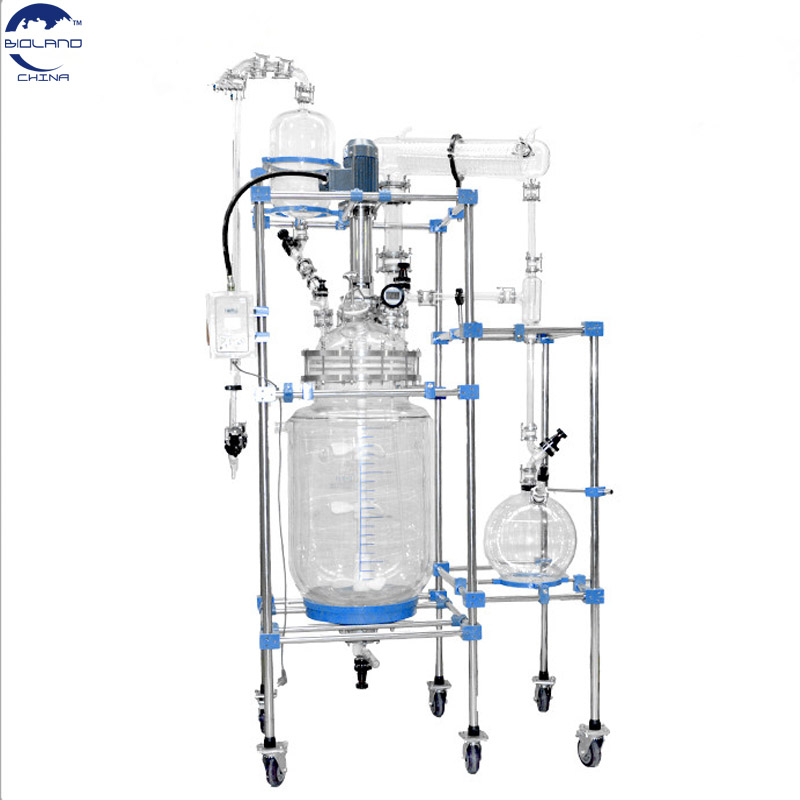
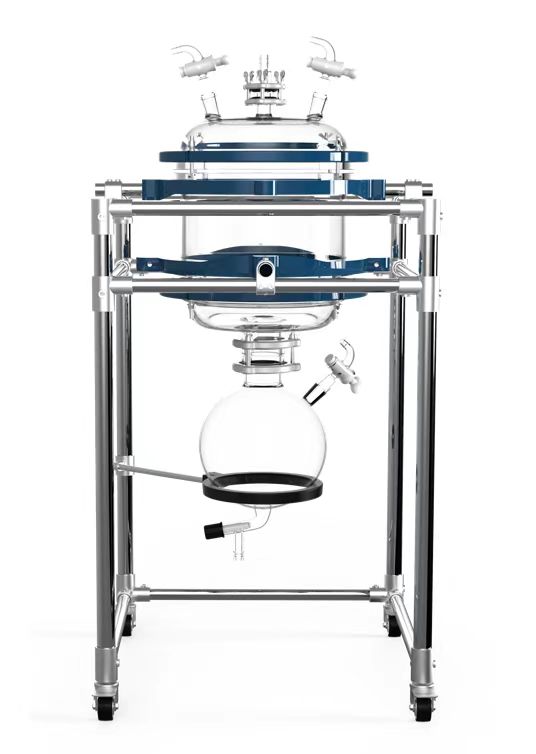
The ultrasonic chemical glass reaction system is a laboratory or industrial grade reaction device that integrates ultrasonic technology, used to enhance chemical processes such as mixing, dispersion, emulsification, and catalysis.
background of ultrasonic chemical glass reactor system
The Ultrasonic Chemical Glass Reactor combines the corrosion resistance and transparency of traditional glass reactors with the advantage of ultrasound in promoting reactions at the molecular level. This type of system is widely used in fields such as nanomaterial preparation, biodiesel synthesis, resin emulsification, and traditional Chinese medicine extraction. Its working principle is to transmit high-frequency vibrations to the reaction solution through an ultrasonic probe or external transducer, generating cavitation effect, thereby accelerating mass transfer, breaking agglomeration, and improving reaction efficiency.
System composition and functional characteristics
Core components of ultrasonic chemical glass reactor system:
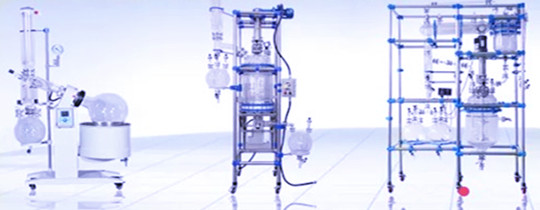
Double layer/single-layer high borosilicate glass kettle body (resistant to high temperature and high pressure)
Ultrasonic generator and transducer (frequency typically 20-40 kHz)
Mixing motor (mechanical or magnetic drive)
Temperature control system (heating jacket or jacket circulation)
Control panel (digital display speed, temperature, time)
Main functions of ultrasonic chemical glass reactor system:
Continuous flow or batch ultrasonic treatment
Efficient homogenization, dispersion, and emulsification
Support vacuum or inert atmosphere operation
Real time observation of reaction progress
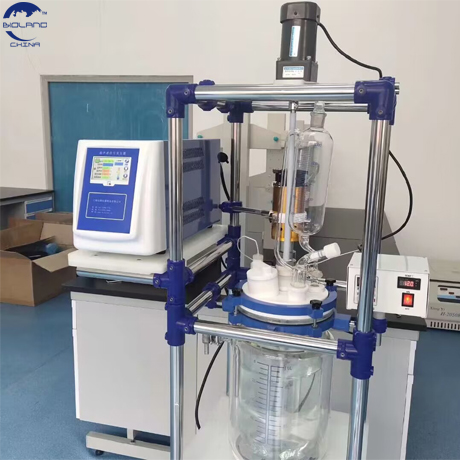
Full Automatic Continuous Ultrasonic Mixing Glass Reactor for Biodiesel
Related News
MORE >-
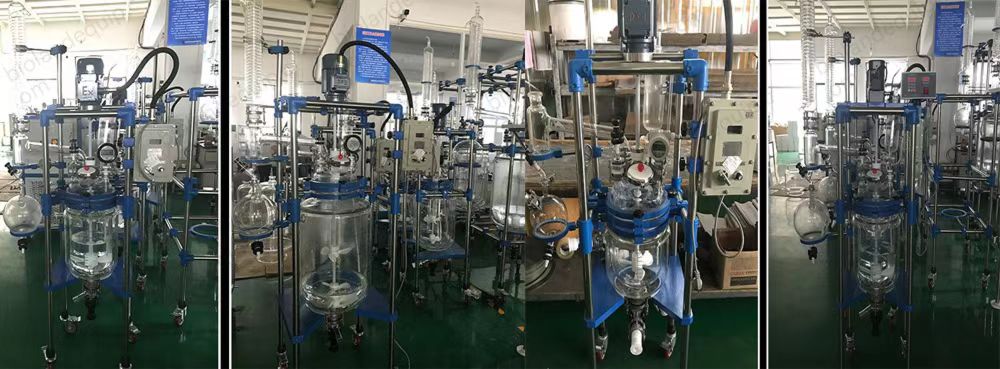
chemical glass reactor is a key experimental equipment that Across multiple industries ?
chemical glass reactor,laboratory chemical glass reactor,100L glass reactor ,jacketed batch reactor,jacketed glass reactor,100 liter glass reactor,double-layer glass reactor, vacuum jacketed reactor, glass-lined reactor
-
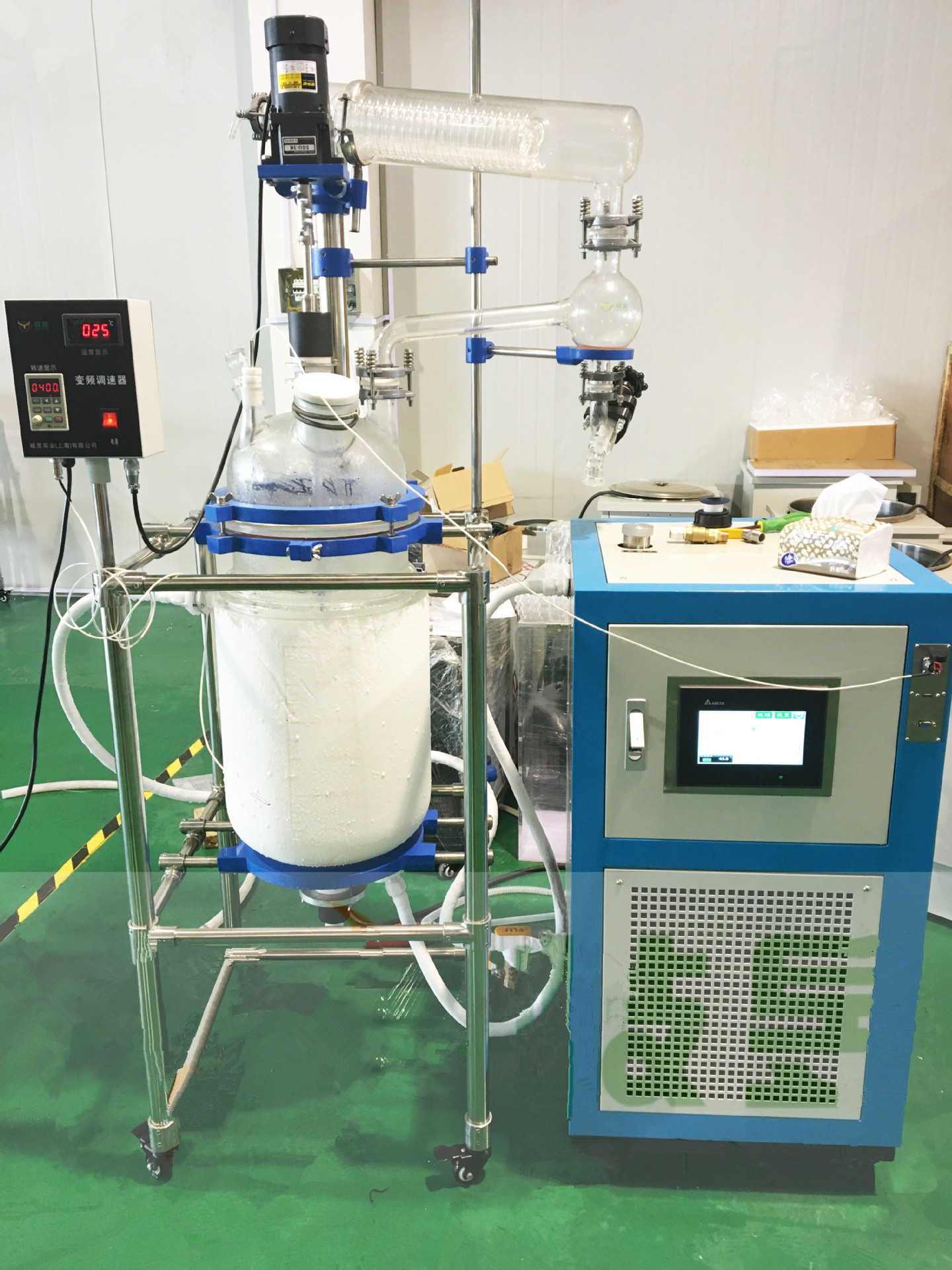
Selection tips for temperature control system - chemical glass reactor
temperature control system,high low temeperature control system,temperature control system , low tempeature cooler
-
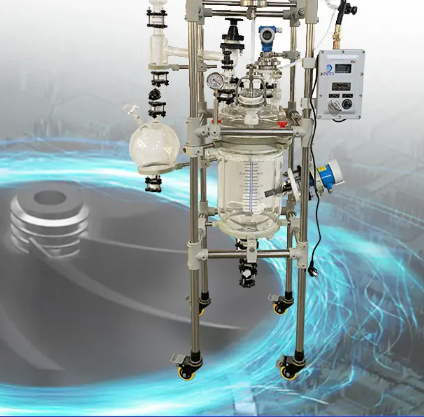
What is solid phase chemical synthesis reactor ?
solid phase reactor, chemical synthesis reactor , glass filter reactor ,100L glass reactor
Consultation