

ultrasonic homogenizer amplitude
2026-01-01
The amplitude ultrasonic homogenizer can usually be continuously adjusted within the range of 20% to 100%, and some devices support finer 1% precision adjustment. The actual output value depends on the instrument model and probe configuration.
Overview of ultrasonic homogenizer amplitude
The "amplitude" of an ultrasonic homogenizer refers to the displacement distance of the probe tip vibration, which directly affects the crushing strength and sample processing efficiency. Too high may cause the sample to overheat or degrade, while too low may affect the homogenization effect. Most modern devices provide digital control and real-time display functions
Influencing factors and application scenarios of ultrasonic homogenizer amplitude
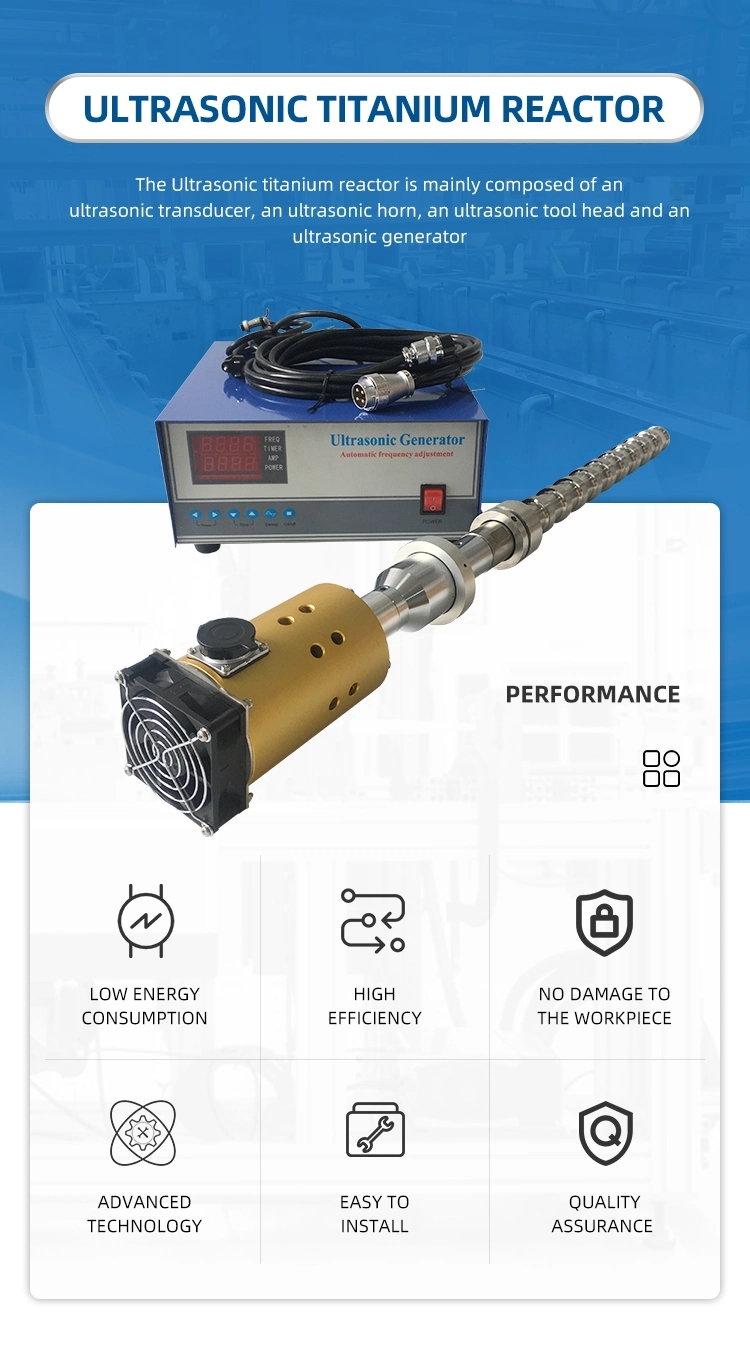
Probe size and material: Titanium alloy probes are common, and their shape and diameter can affect energy concentration.
Working mode: Pulse mode is often used in conjunction with amplitude to prevent overheating.
Temperature control: High amplitude can easily cause temperature rise and should be used in conjunction with cooling systems or low-temperature circulation devices.
Application requirements of ultrasonic homogenizer amplitude
Cell lysis: commonly used amplitude of 20-70%, time segmented control;
Nanoemulsification: requires high amplitude (up to 100 µ m) to ensure uniform particle size;
Extraction process: Optimizing amplitude can improve extraction rate without damaging active ingredients
Related News
MORE >-
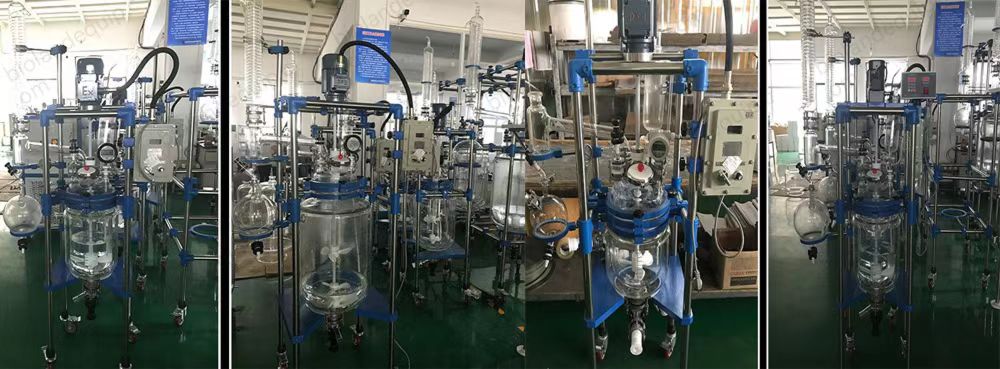
chemical glass reactor is a key experimental equipment that Across multiple industries ?
chemical glass reactor,laboratory chemical glass reactor,100L glass reactor ,jacketed batch reactor,jacketed glass reactor,100 liter glass reactor,double-layer glass reactor, vacuum jacketed reactor, glass-lined reactor
-
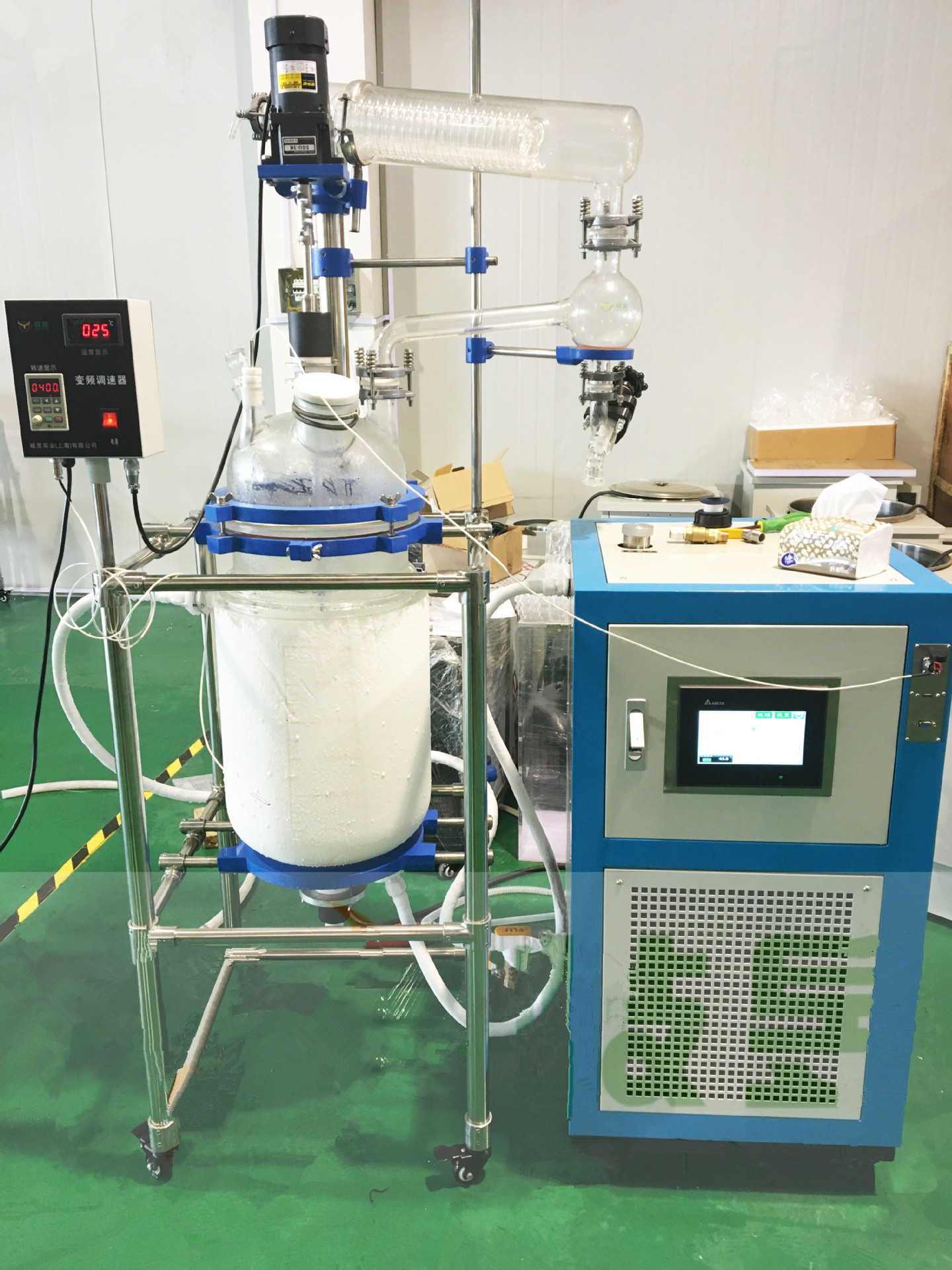
Selection tips for temperature control system - chemical glass reactor
temperature control system,high low temeperature control system,temperature control system , low tempeature cooler
-
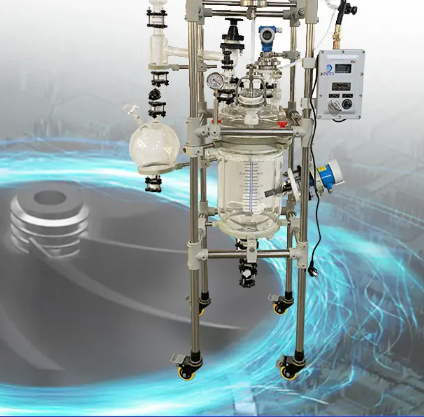
What is solid phase chemical synthesis reactor ?
solid phase reactor, chemical synthesis reactor , glass filter reactor ,100L glass reactor
Consultation