

Enhance the extraction efficiency of active ingredients from TCM
2026-03-16
Traditional Chinese medicine extraction methods such as decoction and immersion are limited by physical barriers (such as dense cell walls composed of cellulose and pectin) and thermal sensitivity issues, often resulting in incomplete dissolution of active ingredients, structural damage, or high viscosity that is difficult to filter. Especially for medicinal herbs with high polysaccharide content, the viscosity of the decoction is high and filtration is difficult, further reducing the actual yield. Therefore, breaking through the cell wall barrier, optimizing mass transfer kinetics, and protecting thermosensitive components have become the three key directions for improving extraction rates
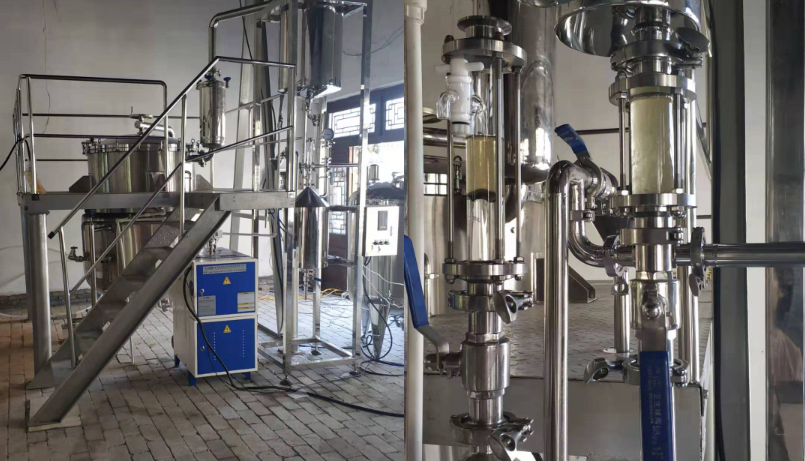
Mainstream improvement technology and its mechanism
Enzymatic assisted extraction (biological method)
Core mechanism:
Disrupting cell wall structure (cellulase and pectinase hydrolyze cellulose/pectin, opening release channels);
Hydrolyzed bound components (cutting off the chemical bond between the active ingredient and the cell wall, releasing the free target substance);
Reduce the viscosity of the extraction solution, improve fluidity and diffusion rate, and enhance overall mass transfer efficiency.
Advantages: Mild conditions (room temperature/weak acidity/alkalinity), strong specificity, compatibility with thermosensitive ingredients, which have been proven to significantly improve the yield of polysaccharides from Astragalus membranaceus and saponins from Panax notoginseng.
Practical points: It is necessary to match the characteristics of medicinal materials to select composite enzyme species, and optimize parameters such as pH, temperature, and time.
Physical strengthening techniques (ultrasoundµwave)
Ultrasound: Utilizing cavitation effect to generate microjets and shear forces, directly damaging cell walls and increasing dissolution area; Suitable for thermosensitive and high molecular weight components.
Microwave: rapid heating through polar molecular resonance, causing a sudden increase in intracellular pressure and rupture; The extraction speed is fast and the amount of solvent used is small, but the power needs to be controlled to avoid component degradation.
The two are often combined with enzymatic methods (such as "ultrasound assisted enzymatic method") to achieve synergistic effects.
New green extraction technology
Supercritical fluid extraction (SFE): using supercritical CO ₂ as the extractant, it has high solubility, strong permeability, and no solvent residue, especially suitable for lipid soluble and volatile components.
Membrane separation/macroporous resin adsorption: used for purification and concentration after extraction, which can improve the purity and recovery rate of target components and reduce the burden of subsequent processes.
Counter current extraction: multi-stage continuous operation, high solvent utilization rate, suitable for large-scale industrial production
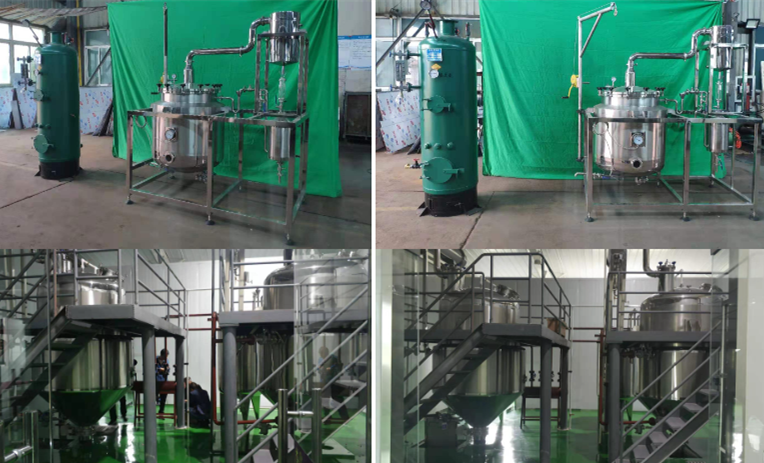
To enhance the extraction efficiency of active ingredients from traditional Chinese medicine (TCM), several strategies can be employed:
1.Optimization of Extraction Parameters: Adjusting key factors such as solvent type, temperature, time, solid-liquid ratio, and particle size of herbal materials to maximize solubility and diffusion.
2.Advanced Extraction Techniques: Utilizing modern methods like ultrasonic-assisted extraction (UAE), microwave-assisted extraction (MAE), supercritical fluid extraction (SFE), or pressurized liquid extraction (PLE) to improve mass transfer and reduce extraction time.
3.Solvent Selection: Choosing appropriate solvents based on the polarity of target compounds (e.g., ethanol for polar components, hexane for lipophilic ones) or employing green solvents (e.g., water, ethanol, or ionic liquids) to enhance sustainability.
4.Pre-treatment of Herbal Materials: Methods such as grinding, enzymatic hydrolysis, or acid/base treatment can disrupt cell walls and release bound active ingredients more effectively.
5.Process Integration: Combining techniques (e.g., UAE followed by SFE) or using continuous extraction systems to optimize yield and energy efficiency.
Related News
MORE >-

What are the characteristics of pilot plant glass reactor used in chemical and pharmaceutical industries?
chemical reactor,reactor in chemical plant,batch chemical reactor ,chemical reactor plant,glass reactor vessel ,jacketed reactor vessel
-

Common Troubleshooting Methods for chemical glass reactor
batch glass reactor,lab glass reactor ,jacketed glass reactor,100 liter glass reactor,jacketed reactor vessel
-

Chemical synthesis glass reactor selection guide
chemical synthesis reactor,chemical glass reactor, 50L Chemical Glass Reactor, Agitated Nutsche Filter Jacket Reactor
Consultation