
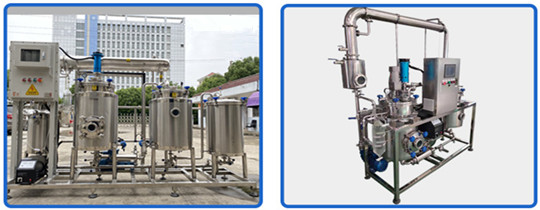
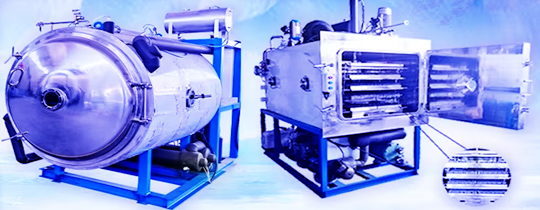
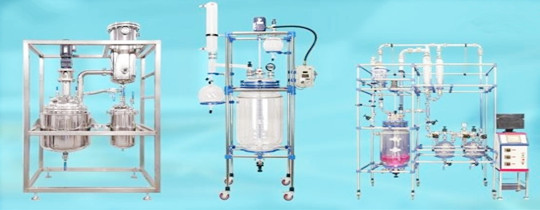
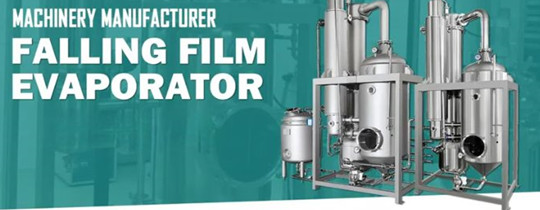
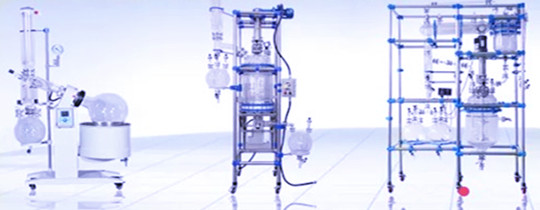
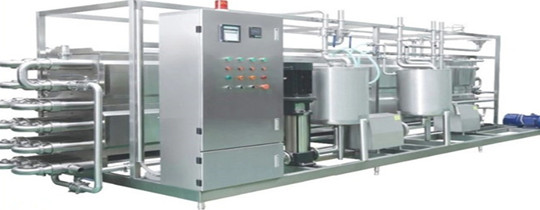

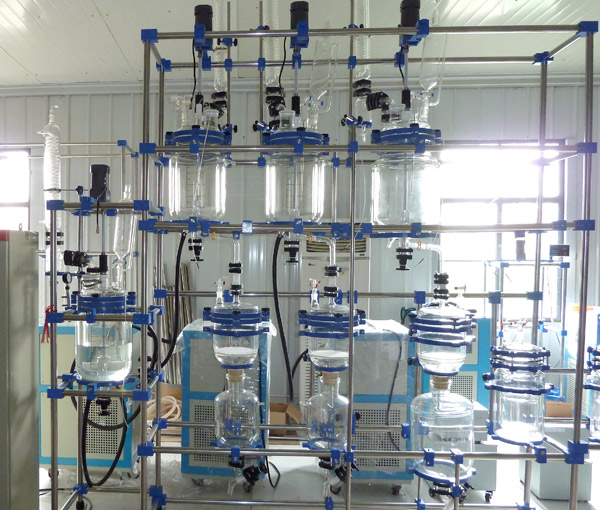
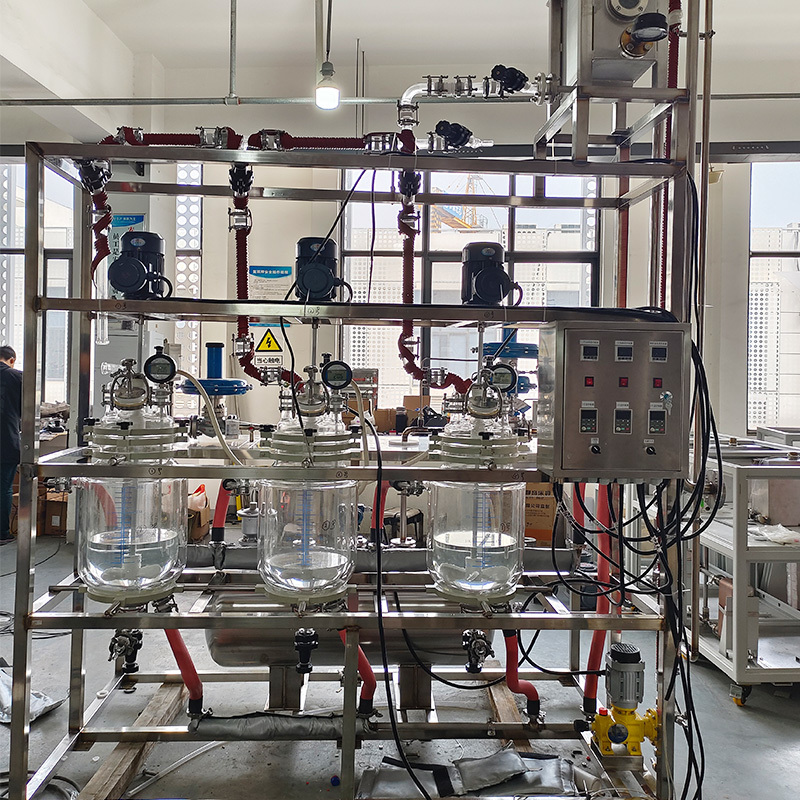
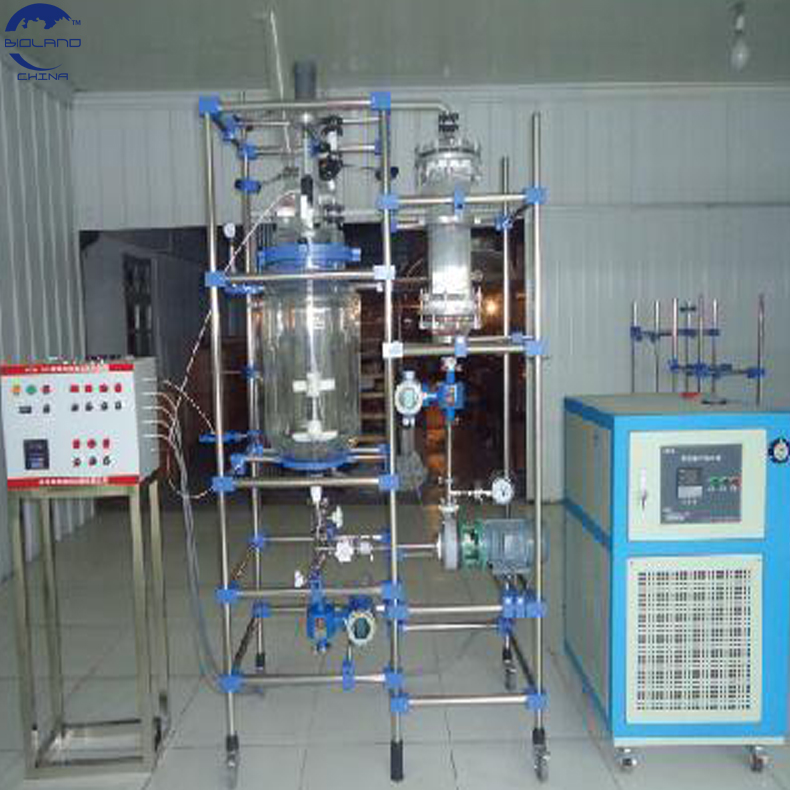
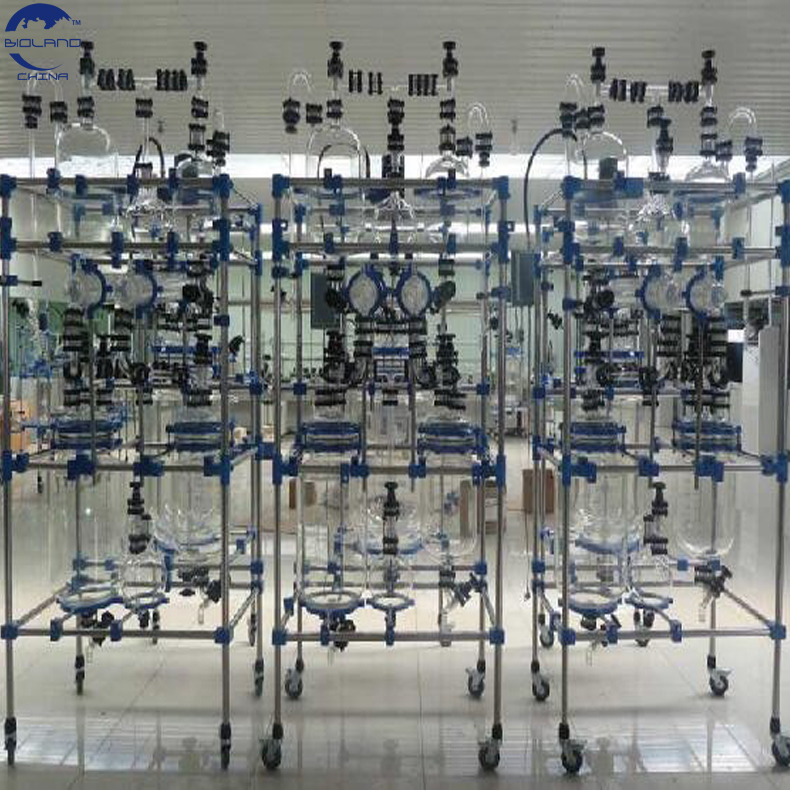
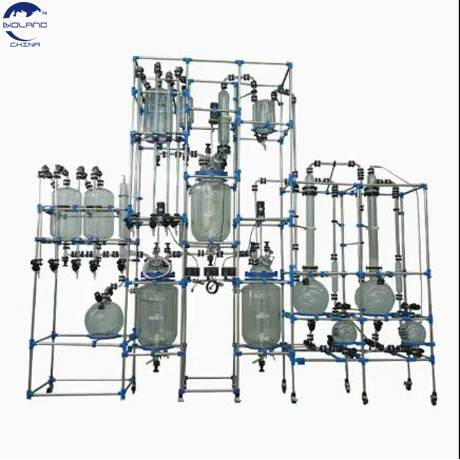
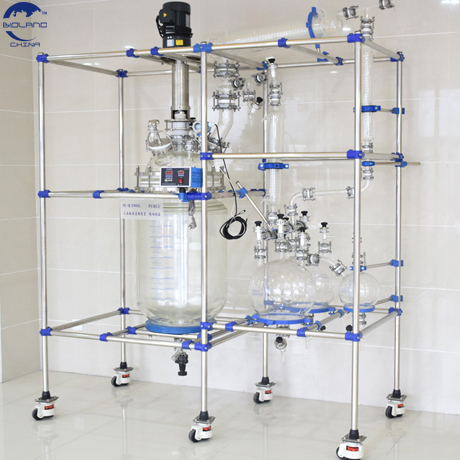
fractionating column tower of synthesis methane
The fractionation tower separates synthetic ammonia, synthetic methane, and synthetic oil from them based on their boiling points
fractionating column is based on the continuous contact and separation of liquids and gases
Product Detail
Product description
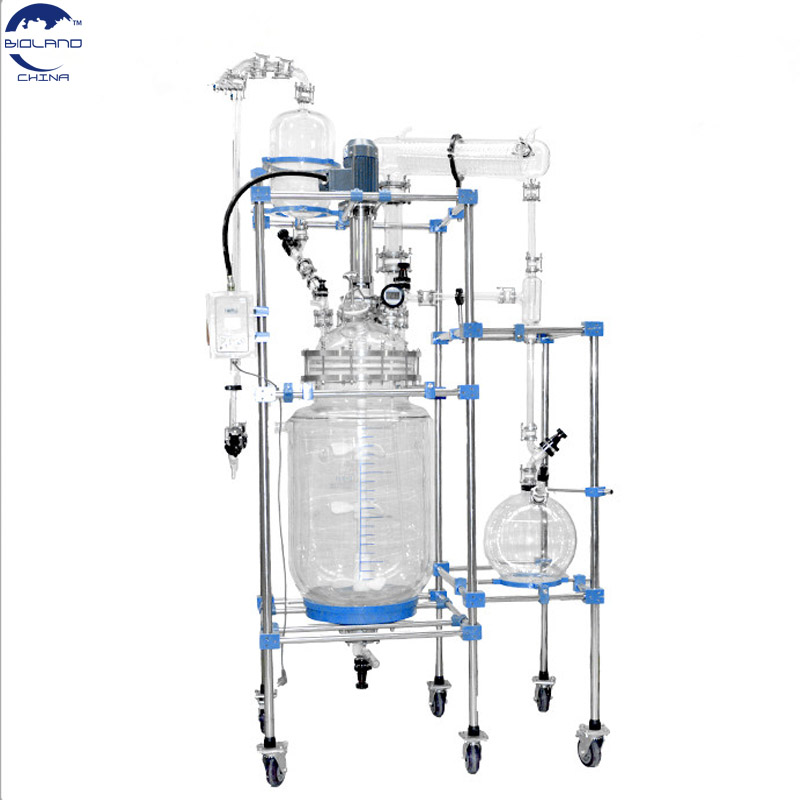
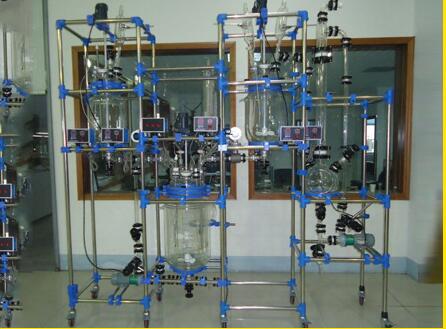
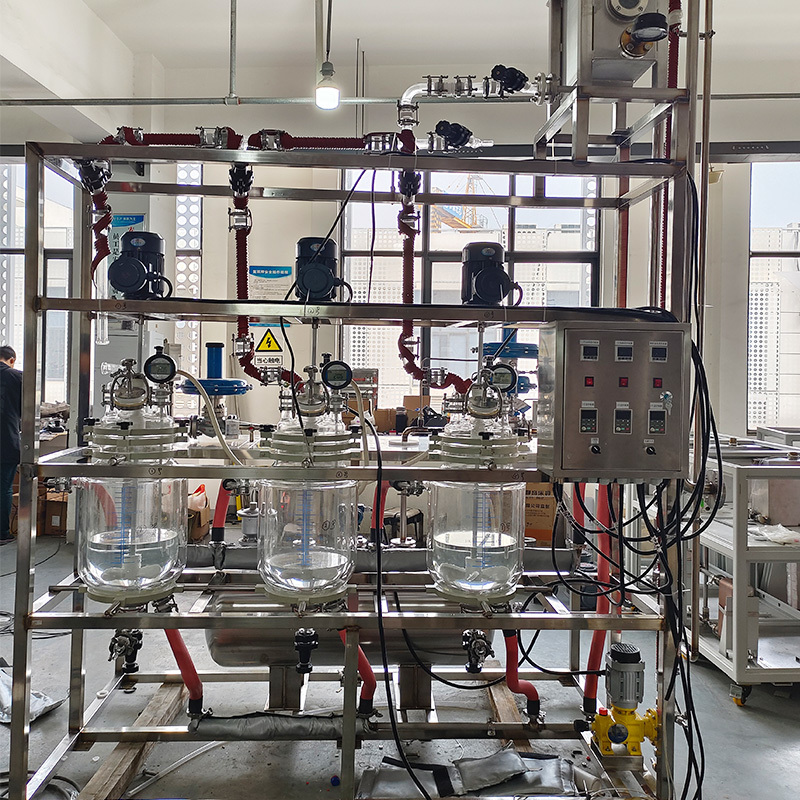
Fractionation tower, also known as tower type vapor-liquid unit, is an efficient separation equipment widely used in refining, chemical, coal chemical and other fields. The basic principle is to use the boiling point difference between different components to separate the mixture into components of their respective purities. The fractionation tower has high separation efficiency and processing capacity, and can achieve continuous and stable production.
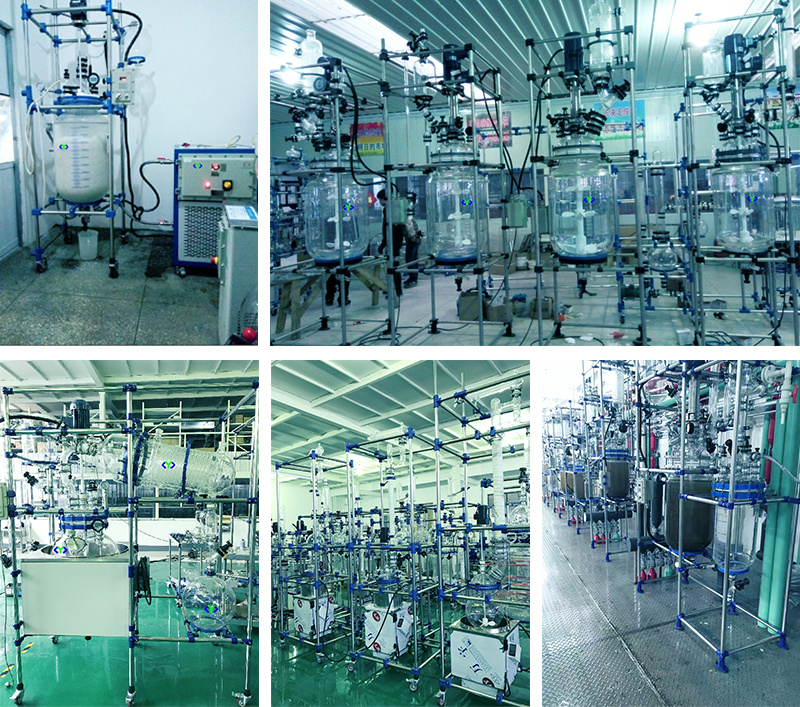
The structure of the fractionating column
A fractionation tower generally consists of a tower body, feed inlet, discharge outlet, tray, downcomer, reflux ratio adjustment device, etc. The tower body is the main body of the fractionation tower, used to accommodate various levels of trays. The feed inlet is located at the top of the tower, from where the mixture to be separated is added into the tower. The discharge outlet is located at the bottom of the tower, from which the separated pure components flow out. The tray is the core component of the fractionation tower, which provides sufficient contact area to facilitate sufficient heat and mass transfer processes between components. The downcomer is located below each tray and is used to collect and transport overflow liquid downwards. The reflux ratio adjustment device can change the ratio of reflux liquid to rising gas, thereby affecting the fractionation effect.
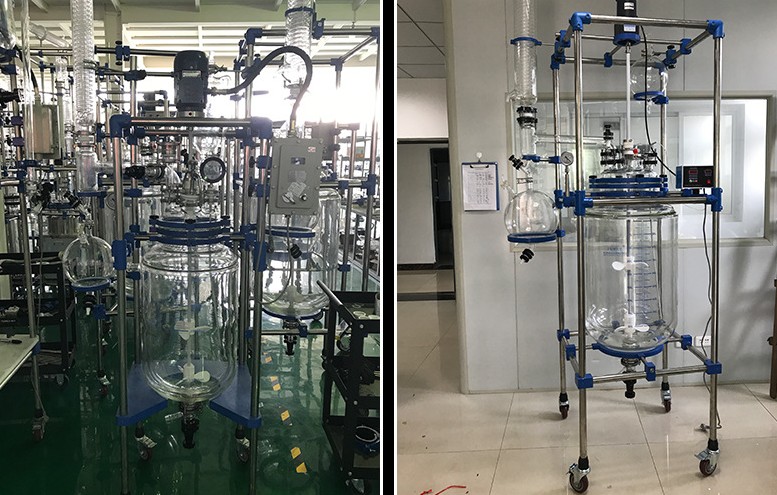
The working principle of a fractionating column
The working principle of a fractionation tower is based on the continuous contact and separation of liquids and gases. During the operation of the fractionation tower, the mixture to be separated is fed into the tower from the feed inlet to control the flow of liquid and gas phases. Due to the different boiling points of different components, when a liquid comes into contact with a gas, the component with a lower boiling point will evaporate first, while the component with a higher boiling point will remain. By controlling appropriate temperature and pressure conditions, components with different boiling points can be separated between the trays. The liquid and gas on each level of the tray are discharged through the downcomer and gas outlet respectively, thus achieving continuous separation.
Related Products
MORE >-
![Glass fractional distillation column reactor of nitric acid]()
Glass fractional distillation column reactor of nitric acid
-
![Petroleum refining vacuum distillation unit]()
Petroleum refining vacuum distillation unit
-
![Laboratory distillation packed column apparatus]()
Laboratory distillation packed column apparatus
-
![chemical plant distillation packed column manufacturers]()
chemical plant distillation packed column manufacturers
-
![vacuum packing distillation column equipment of purifying phenols amines]()
vacuum packing distillation column equipment of purifying phenols amines
-
![Fractionating Packing Column tower for chemical plant]()
Fractionating Packing Column tower for chemical plant
Consultation