
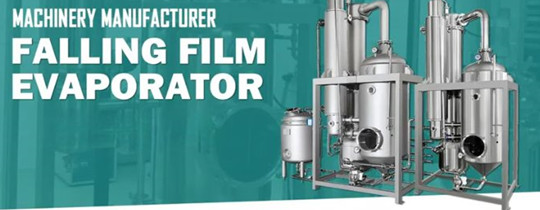
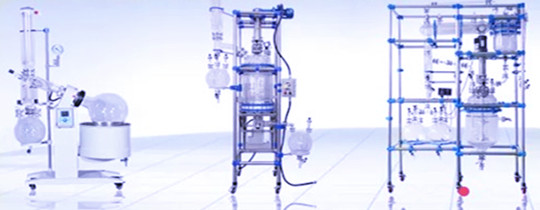
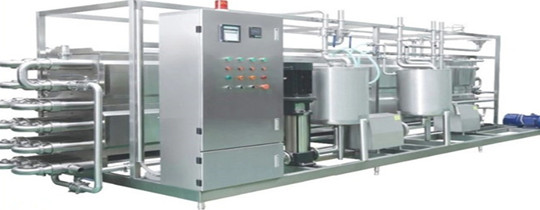


low temperature vacuum concentrators
2026-05-14
Product Overview of Low-Temperature Vacuum Concentrator
The low-temperature vacuum concentrator is a highly practical and widely used concentration device. It effectively concentrates herbal decoction extracts or other active components derived from animals and plants while preventing thermal damage.
Low temperature vacuum concentrator is a practical concentration equipment mainly used for the evaporation concentration of thermosensitive materials, such as the concentration of thermosensitive substances in industries such as Western medicine, traditional Chinese medicine, food and dairy products. The low-temperature vacuum concentrator is an improved equipment based on traditional concentrators, which reduces the boiling point of materials through vacuum pressure reduction, thereby achieving low-temperature concentration and avoiding the deterioration of thermosensitive substances due to high temperature.
Low-temperature vacuum concentrators are primarily used for the evaporation and concentration of heat-sensitive materials, suitable for the concentration of heat-sensitive substances in industries such as pharmaceuticals, traditional Chinese medicine, dairy products, and more. These concentrators are improved versions of traditional concentrators, designed to lower the boiling point of materials by reducing vapor pressure through vacuum methods. Common types include single-effect external circulation concentrators, double-effect concentrators, and vacuum pressure-reducing concentrators, each with its own advantages. All low-temperature vacuum concentrators produced by our company are made from high-quality stainless steel, with polished internal and external surfaces that are smooth and free of dead corners, meeting GMP standards.
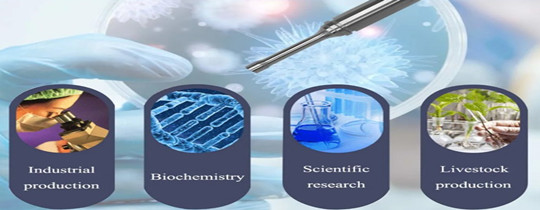
Low temperature vacuum concentrator is a commonly used laboratory equipment, mainly used for gently concentrating or drying thermosensitive samples under low temperature and vacuum conditions, widely used in fields such as biochemistry, pharmaceuticals, and food testing.
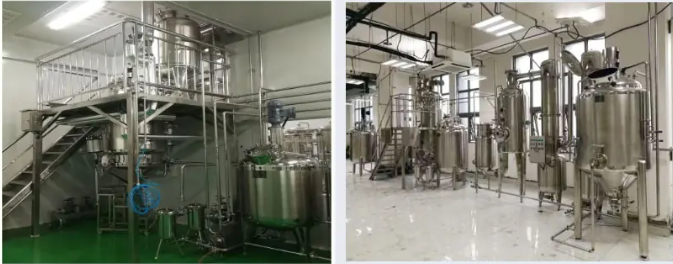
Core Features
Low temperature protection: usually used in conjunction with a cooling cycle, it can control the temperature within the range of 0 ° C to 40 ° C, preventing the denaturation or degradation of thermally unstable substances (such as proteins, enzymes, natural products).
Vacuum environment: By using a vacuum pump to reduce system pressure, the solvent boils and evaporates at a lower temperature, improving concentration efficiency.
Rotary evaporation: Most devices use rotary evaporation technology to increase the surface area of the liquid and accelerate solvent removal.
Multi channel design: Some models support simultaneous processing of multiple samples, suitable for high-throughput screening scenarios.
working principle
The low-temperature vacuum concentrator adopts a triple technology of vacuum, centrifugation, and temperature control:
Vacuum depressurization: Vacuuming reduces the pressure inside the chamber, causing the boiling point of the solvent to decrease (such as the boiling point of water can be lowered from 100 ℃ to 30-40 ℃)
Centrifugal collection: Continuous centrifugation causes the solution to accumulate at the bottom of the centrifuge tube, avoiding boiling and splashing or contamination of the sample
Low temperature condensation: The solvent vapor is liquefied through a cold trap at -50 ℃~-110 ℃, captured and protected by the vacuum pump
Temperature control protection: The sample is always in a low-temperature vacuum environment to prevent deactivation and oxidation of heat sensitive samples
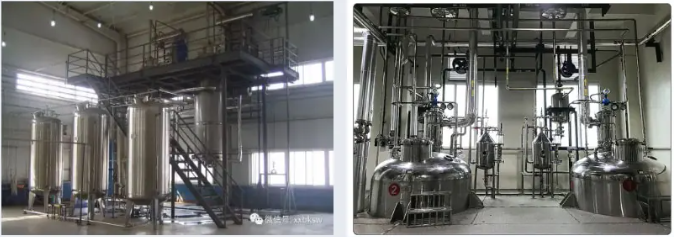
the composition and structure of low-temperature vacuum concentrator
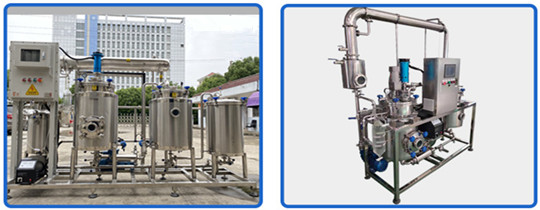
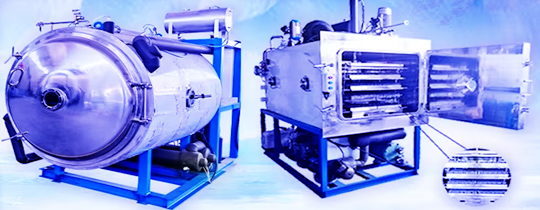
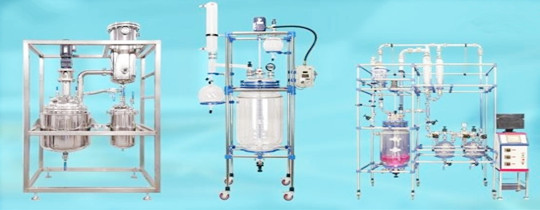
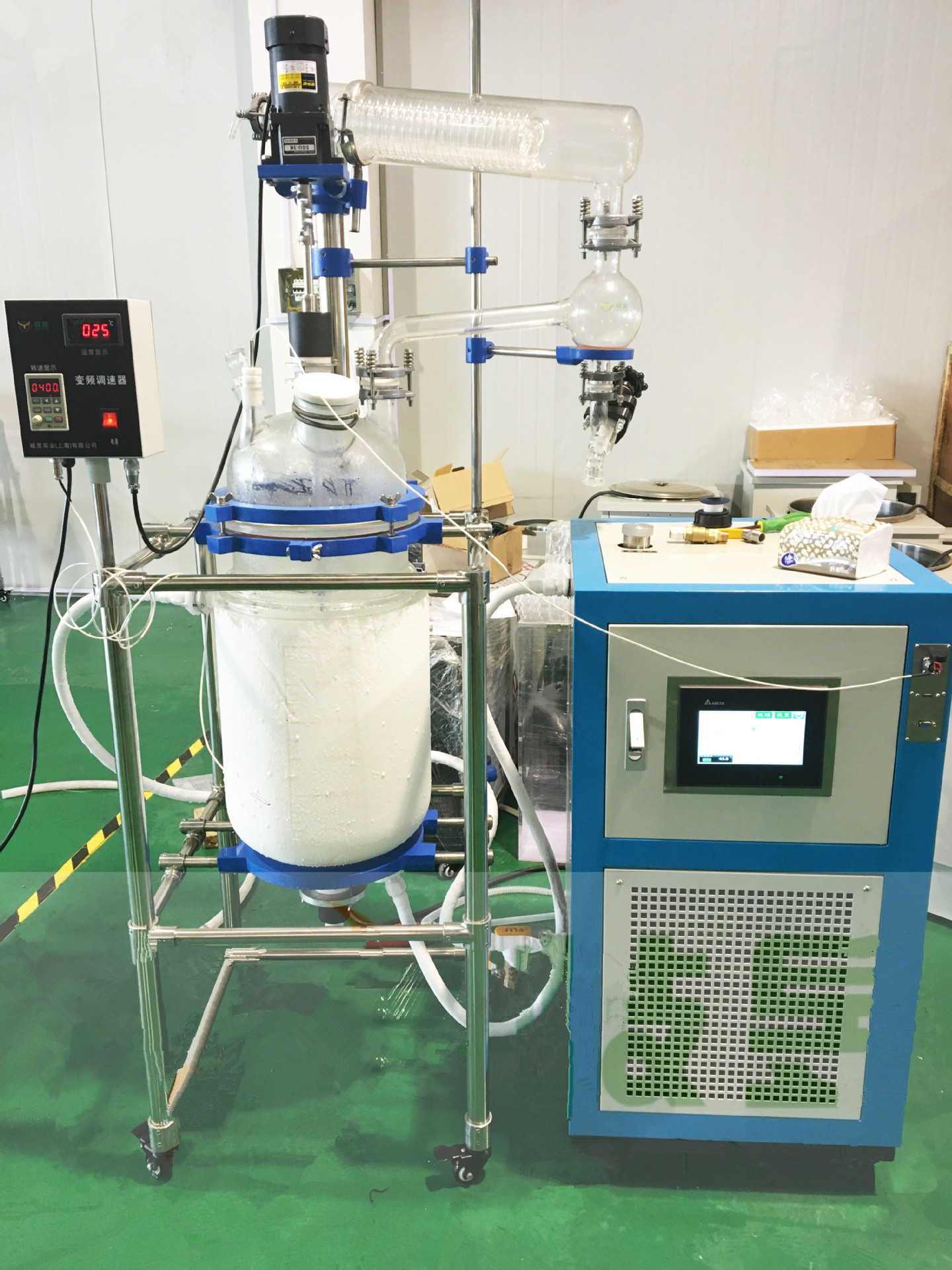
Low temperature vacuum concentrators are basically composed of heating chambers or concentration tanks, evaporation chambers, condensers, coolers, gas-liquid separators, liquid receiving tanks, etc. The heating chamber plays a role in heating materials. Generally, materials are in the tube side and connected to the evaporation chamber, and the materials circulate and flow. The heat source passes through the shell side, and the material is uniformly heated. This concentrator is suitable for concentrating materials with relatively low concentration. The evaporation chamber is a site for material evaporation and concentration. The evaporation room is generally large, with evaporation space reserved to prevent the evaporation of foam rich materials. Concentrator tank type concentrator is a device that completes heating and evaporation in one tank. Through jacket heating, the material evaporates in the tank. Generally, this type of concentrator should not have too much material and should reserve evaporation space. The condenser and cooler are matched according to their evaporation capacity, which can ensure both condensation and cooling effects, as well as facilitate cleaning and installation. The receiving tank is designed to receive evaporated water or organic solvents. The evaporated liquid can be recycled or directly discharged, depending on the needs. The design of the entire system revolves around the idea of fully evaporating materials, reducing the evaporation temperature of materials, maintaining material activity, energy conservation and environmental protection, easy cleaning, and safe and hygienic design and manufacturing.
Product features of low-temperature vacuum concentrator
1. Adopting vacuum low-temperature concentration, especially for evaporation concentration of thermosensitive materials
2. Low evaporation temperature, evaporation temperature 25-60 ° C, temperature controllable
3. Design a heat pump that does not require a steam furnace and adopts a heat pump single effect concentration process
4. Fully automated control, easy to operate
5. Continuous feeding
6. Changed the phenomena of high temperature, long time, material variability, easy scaling and dryness during the concentration process, and poor flowability of materials after concentration that existed in traditional concentration processes
7. Accurate temperature control can effectively preserve the active ingredients of the product
8. Equipped with online concentration monitoring, automatic discharge and drainage functions
9. Capable of achieving automatic cleaning, sterilization and other functions, in compliance with GMP standards
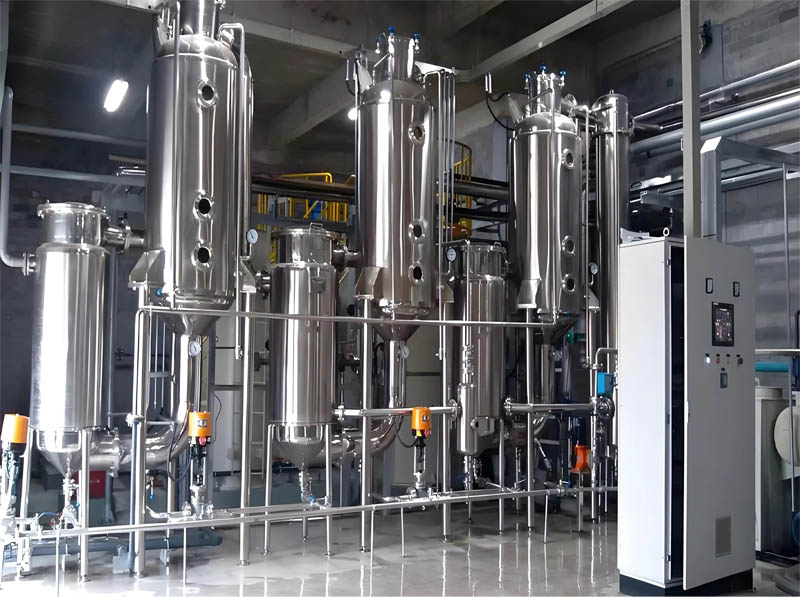
Application of Low Temperature Vacuum Concentrator
Low temperature vacuum concentrators are widely used for low-temperature concentration of thermosensitive materials and precious materials in food, pharmaceuticals, and other industries. The low-temperature vacuum concentrator consists of a heater, evaporator, condenser, cooler, circulating pump, vacuum unit, chiller, steel platform, etc.
Low temperature vacuum concentrator is suitable for concentrating thermosensitive substances in industries such as Western medicine, traditional Chinese medicine, and dairy products. Low temperature vacuum concentrator is an improvement on the traditional concentrator, which reduces the volatilization temperature by generally using vacuum depressurization to lower the boiling point of the material. Common low-temperature vacuum concentrators include single effect external circulation concentrators, double effect concentrators, and vacuum pressure reducing concentrators. Each concentrator has its own advantages. All low-temperature vacuum concentrators in our company are made of high-quality stainless steel, with polished inner and outer surfaces that are smooth without dead corners and comply with GMP standards.
Life Sciences: DNA/RNA Concentration, Protein/Antibody Purification, Metabolomics Sample Enrichment, Enzyme Preparation Concentration
Drug development: Purification of chemical drug intermediates, concentration of vaccine antigens, preparation of peptide/antibody drugs
Food testing: detection of pesticide/veterinary drug residues, analysis of additives/toxins, concentration of active ingredients in traditional Chinese medicine
Environmental monitoring: concentration of heavy metals/VOCs in water quality, analysis of polycyclic aromatic hydrocarbons in soil, detection of solid waste pollutants
Chemical analysis: HPLC sample pretreatment, organic substrate synthesis and separation, SPE solid-phase extraction
Forensic/Toxicology: Toxicological identification, forensic sample analysis
For more information on low-temperature vacuum concentrators, supporting equipment, and production line construction, please feel free to contact us via email info@bioland-china.com Our company will arrange engineers to provide you with professional solutions and comprehensive services. (Non standard design can be carried out according to customer needs)
Related News
MORE >-
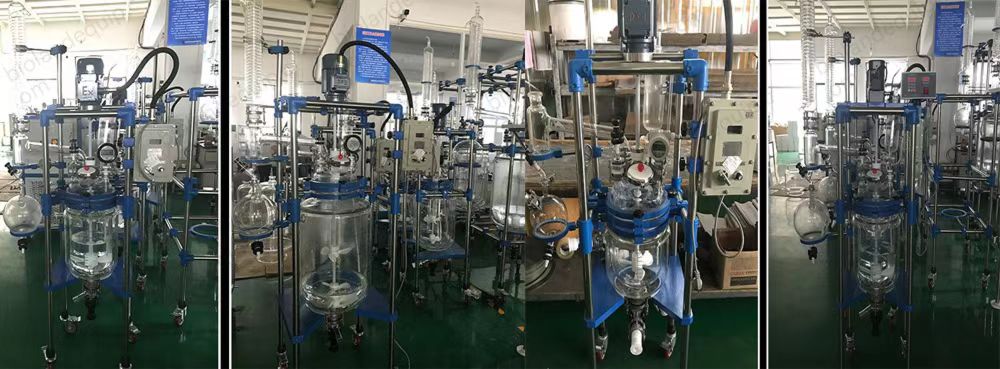
chemical glass reactor is a key experimental equipment that Across multiple industries ?
chemical glass reactor,laboratory chemical glass reactor,100L glass reactor ,jacketed batch reactor,jacketed glass reactor,100 liter glass reactor,double-layer glass reactor, vacuum jacketed reactor, glass-lined reactor
-
Selection tips for temperature control system - chemical glass reactor
temperature control system,high low temeperature control system,temperature control system , low tempeature cooler
-
What is solid phase chemical synthesis reactor ?
solid phase reactor, chemical synthesis reactor , glass filter reactor ,100L glass reactor
Consultation