
ultrasonic-assisted extraction in pharmacy
2026-05-28
ultrasound assisted extraction in pharmacy
The effective frequency of ultrasound is 20-50kHz, which achieves efficient extraction through cavitation effect (local high temperature and high pressure generated by bubble rupture in liquid, damaging cell walls), mechanical vibration (accelerating solvent penetration and component diffusion), emulsion stirring (increasing solid-liquid contact area), and other effects. Compared to traditional extraction methods, its core advantages include:
Efficiency improvement: The extraction time has been reduced to 1/3 to 1/10 of traditional methods, and the extraction efficiency has been increased by 2-10 times;
Ingredient protection: Operate under low temperature or mild heating conditions to avoid the destruction of thermosensitive ingredients (such as glycosides and flavonoids);
Wide applicability: not limited by ingredient polarity or molecular weight, suitable for the vast majority of pharmaceutical active ingredients;
Easy to operate: simple equipment, minimal impurities in the feed solution, and easy separation and purification of effective ingredients.
2、 Typical application scenarios in the field of pharmacy
Extraction of Alkaloids
Taking the extraction of Mandala alkaloids from Mandala leaves as an example, the alkaline content of the sample extracted by ultrasound for 30 minutes is 9% higher than that extracted by conventional decoction for 3 hours; The ultrasonic extraction rate of berberine in Huanglian is more than 50% higher than that of alkaline soaking for 24 hours, significantly shortening the extraction cycle and improving the yield.
Extraction of Glycoside Components
Traditional glycoside extraction methods, such as heating reflux and water immersion, are time-consuming and easily damaged by high temperatures. Ultrasonic methods can significantly optimize this process: the extraction time for baicalin has been reduced from 180 minutes to 40 minutes, for rutin from 16 hours to 0.5 hours, and for anthraquinone glycosides from 180 minutes to 10 minutes, resulting in significantly improved extraction efficiency and component retention rates.
Extraction of flavonoids
The ultrasonic extraction yield of total flavonoids from European fern is 15% higher than traditional methods; The optimized ultrasonic process for anthocyanins in barley (methanol concentration of 65.63%, solid-liquid ratio of 1:22.49, extraction time of 32.09 minutes, temperature of 55.88 ℃) achieved a yield of 4.95%, and its biological activity was verified by in vitro antioxidant experiments and mouse fatigue/hypoxia resistance experiments
Extraction of sugar components
Ultrasonic pretreatment can destroy plant fiber structure and increase cellulase affinity: sugar extraction rates of sugar plants such as sugar beets and sweet sorghum straw are 50% higher than those without pretreatment, significantly improving the utilization rate of sugar drug raw materials.
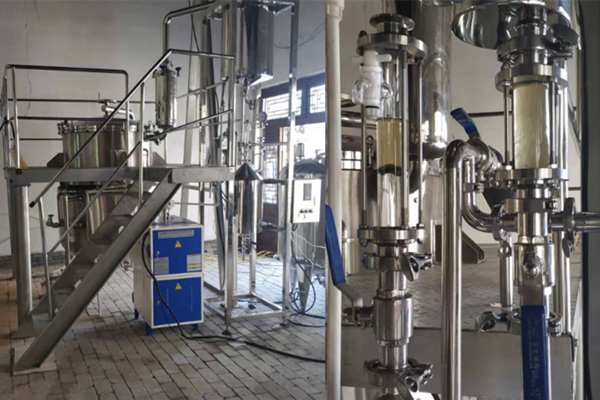 Exploring the mass production adaptability of water bath ultrasound equipment and promoting the transformation of technology from laboratory to industrial applications
1、 Specific process details for extracting specific drug components
1. Total flavonoids of Xianrencao: efficient extraction of hypoglycemic active ingredients
Core process: Using 80% ethanol as the solvent, the extraction parameters were optimized through three steps of single factor experiment, orthogonal experiment, and response surface methodology. The optimal conditions were finally determined as follows: ultrasonic power of 250W, extraction time of 40 minutes, solid-liquid ratio of 1:30 (g/mL), and temperature of 50 ℃.
Effect comparison: After optimization, the total flavonoid extraction rate reached 12.3%, which was 68% higher than the traditional water extraction method. In vitro hypoglycemic experiments showed that its IC50 value was 15.2 μ g/mL, significantly better than the positive control drug metformin (IC50=28.5 μ g/mL).
2. Astragalus polysaccharides: green extraction of immune regulatory components
Key parameters: Using water as the solvent, ultrasonic power of 300W, extraction time of 30 minutes, solid-liquid ratio of 1:25 (g/mL), temperature of 45 ℃. After optimization by response surface methodology, the polysaccharide extraction rate reached 85.6%, which is 42% higher than the traditional water extraction and alcohol precipitation method.
Technological advantages: The extraction process does not require organic solvents, avoiding high temperature damage to the spatial structure of polysaccharides, preserving their biological activities such as immune regulation and anti fatigue, and consuming only one-third of the energy of traditional methods.
3. Active ingredients of Scutellaria baicalensis: precise extraction of antioxidant components
Parameter optimization: Using 70% ethanol as the solvent, the optimal conditions were determined through orthogonal experiments as follows: ultrasonic frequency of 40kHz, power of 200W, extraction time of 35 minutes, solid-liquid ratio of 1:20 (g/mL), and temperature of 55 ℃.
Activity verification: The extracted baicalin content reached 18.7mg/g, with a DPPH free radical scavenging rate of 92.3%, significantly higher than the traditional heating reflux method (content of 12.1mg/g, scavenging rate of 75.6%), and no thermal degradation products.
4. Aloe vera peel extract: mining of active ingredients from waste resources
Process comparison: Using 80% ethanol as the solvent, the traditional soaking method takes 24 hours, while ultrasound assisted extraction only takes 3 hours (40% power), resulting in a 35.7% increase in extraction efficiency and a 40% reduction in solvent usage.
Ingredients and activities: Four main components were detected, including 2-amino-4,6-dihydro flavonoids and 1,4-benzenediol. The DPPH radical scavenging IC50 was 2.375mg/mL, with an inhibition circle of 10.1mm against Escherichia coli and an IC50 of 27.37mg/mL against Caco-2 tumor cells
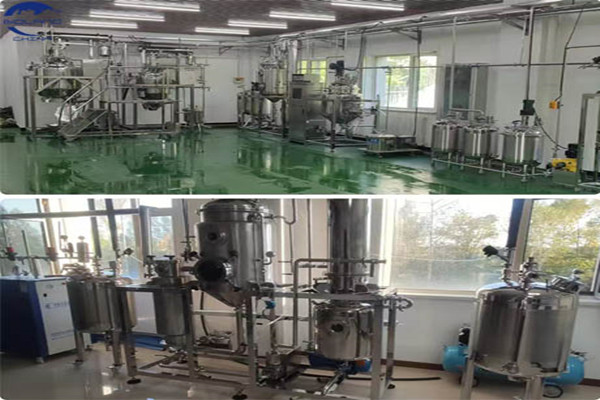 Do you want to learn about specific cases of ultrasound assisted extraction in drug formulation development, or more application details of this technology in other niche fields such as biomacromolecule extraction and drug quality control? Please feel free to contact our engineers via email at any time info@bioland-china.com
Ultrasound assisted extraction (UAE) is an extraction technology that utilizes the combined effects of cavitation, mechanical vibration, emulsification, and fragmentation of ultrasound to accelerate the release of active ingredients from raw materials in the pharmaceutical field. It is widely used in drug development, modernization of traditional Chinese medicine, and extraction of natural products.
video for sample testing of 100-liter explosion-proof extraction equipment for customers : https://youtube.com/shorts/SYpQuw0WC58
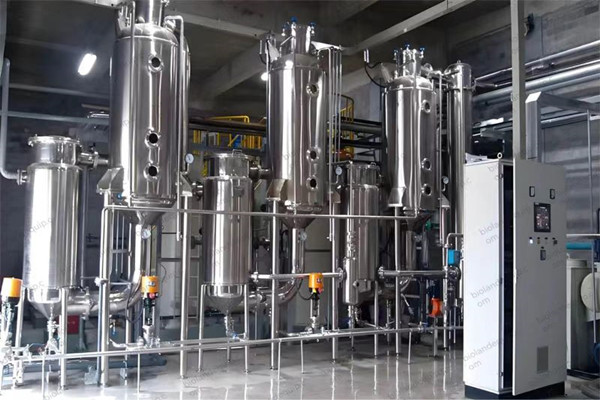
Standardized process flow (taking traditional Chinese medicine/natural product extraction as an example)
1. Pre processing stage
Raw material pretreatment: Wash, dry, and crush plant materials (such as Scutellaria baicalensis, Astragalus membranaceus, aloe vera, etc.) through a 40-60 mesh sieve to increase specific surface area and improve ultrasonic extraction efficiency.
Solvent selection: Select solvents based on the polarity of the components (water, ethanol, methanol, ethyl acetate, etc.), with a commonly used ethanol concentration of 30% -80%, balancing extraction efficiency and component safety.
2. Ultrasonic extraction stage
Equipment parameter setting:
Frequency: 20-50kHz (different components are adapted to different frequencies, for example, small molecule components are selected as 20-30kHz, and large molecule components are selected as 30-50kHz);
Power: 100-500W (adjusted according to the hardness and composition of the raw materials, such as 300-500W for hard rhizomes and 100-200W for leaves);
Material to liquid ratio: 1:20-1:50 (g/mL, ensuring excess solvent and avoiding component saturation);
Temperature: 20-60 ℃ (low-temperature protection for thermosensitive components, high-temperature enhancement for solubility, requiring balanced selection);
Time: 10-60 minutes (much shorter than traditional methods of several hours to several days).
Operation mode: Intermittent extraction (alternating between ultrasound and standing, such as ultrasound for 20 minutes+standing for 10 minutes, 3 cycles) or continuous extraction can be used. Intermittent extraction can avoid cavitation effect attenuation and improve extraction uniformity.
3. Post processing stage
Solid liquid separation: Remove the raw material residue through centrifugation and filtration (filter paper, microporous membrane), and collect the supernatant containing the components.
Concentration and purification: Using methods such as vacuum concentration, freeze-drying, and macroporous resin adsorption, solvents are removed and effective ingredients are enriched to obtain crude extracts or refined products (such as baicalin, astragalus polysaccharides, total flavonoids, etc.).
The core of ultrasound assisted extraction is the multiple physical effects of ultrasound, which act on the material liquid system through high-frequency sound waves of 20-50kHz, the following synergistic effects:
Cavitation effect: Ultrasonic waves form tiny bubbles in liquid, which instantly rupture to produce local high temperatures (5000K+), high pressures (1000atm+), and strong shock waves, directly damaging the structure of plant cell walls/membranes and rapidly releasing effective components into the solvent.
Mechanical vibration: High frequency sound waves cause violent vibrations of the liquid molecules, accelerating the penetration of solvents into the interior of the raw material, while promoting the diffusion of components from the surface of the raw material into the solvent, shortening mass transfer resistance.
Emulsification and stirring: Ultrasonic energy forms a fine emulsion layer at the solid-liquid interface, increasing the contact area and further improving the extraction efficiency.
Compared to traditional extraction methods such as boiling, reflux, and soaking, ultrasound assisted extraction achieves low-temperature, rapid, and efficient component extraction through a dual mechanism of "physical wall breaking+accelerated mass transfer", avoiding the damage of thermosensitive components such as glycosides, flavonoids, and polysaccharides by high temperatures.
Its core advantages and specific applications are as follows:
1、 Technical principles and core advantagesThe effective frequency of ultrasound is 20-50kHz, which achieves efficient extraction through cavitation effect (local high temperature and high pressure generated by bubble rupture in liquid, damaging cell walls), mechanical vibration (accelerating solvent penetration and component diffusion), emulsion stirring (increasing solid-liquid contact area), and other effects. Compared to traditional extraction methods, its core advantages include:
Efficiency improvement: The extraction time has been reduced to 1/3 to 1/10 of traditional methods, and the extraction efficiency has been increased by 2-10 times;
Ingredient protection: Operate under low temperature or mild heating conditions to avoid the destruction of thermosensitive ingredients (such as glycosides and flavonoids);
Wide applicability: not limited by ingredient polarity or molecular weight, suitable for the vast majority of pharmaceutical active ingredients;
Easy to operate: simple equipment, minimal impurities in the feed solution, and easy separation and purification of effective ingredients.
2、 Typical application scenarios in the field of pharmacy
Extraction of Alkaloids
Taking the extraction of Mandala alkaloids from Mandala leaves as an example, the alkaline content of the sample extracted by ultrasound for 30 minutes is 9% higher than that extracted by conventional decoction for 3 hours; The ultrasonic extraction rate of berberine in Huanglian is more than 50% higher than that of alkaline soaking for 24 hours, significantly shortening the extraction cycle and improving the yield.
Extraction of Glycoside Components
Traditional glycoside extraction methods, such as heating reflux and water immersion, are time-consuming and easily damaged by high temperatures. Ultrasonic methods can significantly optimize this process: the extraction time for baicalin has been reduced from 180 minutes to 40 minutes, for rutin from 16 hours to 0.5 hours, and for anthraquinone glycosides from 180 minutes to 10 minutes, resulting in significantly improved extraction efficiency and component retention rates.
Extraction of flavonoids
The ultrasonic extraction yield of total flavonoids from European fern is 15% higher than traditional methods; The optimized ultrasonic process for anthocyanins in barley (methanol concentration of 65.63%, solid-liquid ratio of 1:22.49, extraction time of 32.09 minutes, temperature of 55.88 ℃) achieved a yield of 4.95%, and its biological activity was verified by in vitro antioxidant experiments and mouse fatigue/hypoxia resistance experiments
Extraction of sugar components
Ultrasonic pretreatment can destroy plant fiber structure and increase cellulase affinity: sugar extraction rates of sugar plants such as sugar beets and sweet sorghum straw are 50% higher than those without pretreatment, significantly improving the utilization rate of sugar drug raw materials.
Other active ingredients in traditional Chinese medicine, such as total saponins from Polygonatum sibiricum and Panax notoginseng, can be efficiently and rapidly extracted through ultrasonic extraction, and the purity and activity retention rate of the ingredients are better than traditional methods.
3、 Research progress and trend of process optimization
The current research on ultrasound assisted extraction in the pharmaceutical field focuses on the combination of process parameter optimization (frequency, power, time, solvent ratio, temperature) and activity evaluation:
By using response surface design, orthogonal experiments, and other methods, accurately determine the optimal extraction conditions (such as optimizing the ultrasonic extraction process of active ingredients in Scutellaria baicalensis, balancing extraction rate and antioxidant performance);
Combining in vitro antioxidant experiments, cell experiments, and animal experiments to verify the pharmacological activity of extracted components (such as the anti fatigue and anti hypoxia activity of barley anthocyanins), providing data support for drug development;
1、 Specific process details for extracting specific drug components
1. Total flavonoids of Xianrencao: efficient extraction of hypoglycemic active ingredients
Core process: Using 80% ethanol as the solvent, the extraction parameters were optimized through three steps of single factor experiment, orthogonal experiment, and response surface methodology. The optimal conditions were finally determined as follows: ultrasonic power of 250W, extraction time of 40 minutes, solid-liquid ratio of 1:30 (g/mL), and temperature of 50 ℃.
Effect comparison: After optimization, the total flavonoid extraction rate reached 12.3%, which was 68% higher than the traditional water extraction method. In vitro hypoglycemic experiments showed that its IC50 value was 15.2 μ g/mL, significantly better than the positive control drug metformin (IC50=28.5 μ g/mL).
2. Astragalus polysaccharides: green extraction of immune regulatory components
Key parameters: Using water as the solvent, ultrasonic power of 300W, extraction time of 30 minutes, solid-liquid ratio of 1:25 (g/mL), temperature of 45 ℃. After optimization by response surface methodology, the polysaccharide extraction rate reached 85.6%, which is 42% higher than the traditional water extraction and alcohol precipitation method.
Technological advantages: The extraction process does not require organic solvents, avoiding high temperature damage to the spatial structure of polysaccharides, preserving their biological activities such as immune regulation and anti fatigue, and consuming only one-third of the energy of traditional methods.
3. Active ingredients of Scutellaria baicalensis: precise extraction of antioxidant components
Parameter optimization: Using 70% ethanol as the solvent, the optimal conditions were determined through orthogonal experiments as follows: ultrasonic frequency of 40kHz, power of 200W, extraction time of 35 minutes, solid-liquid ratio of 1:20 (g/mL), and temperature of 55 ℃.
Activity verification: The extracted baicalin content reached 18.7mg/g, with a DPPH free radical scavenging rate of 92.3%, significantly higher than the traditional heating reflux method (content of 12.1mg/g, scavenging rate of 75.6%), and no thermal degradation products.
4. Aloe vera peel extract: mining of active ingredients from waste resources
Process comparison: Using 80% ethanol as the solvent, the traditional soaking method takes 24 hours, while ultrasound assisted extraction only takes 3 hours (40% power), resulting in a 35.7% increase in extraction efficiency and a 40% reduction in solvent usage.
Ingredients and activities: Four main components were detected, including 2-amino-4,6-dihydro flavonoids and 1,4-benzenediol. The DPPH radical scavenging IC50 was 2.375mg/mL, with an inhibition circle of 10.1mm against Escherichia coli and an IC50 of 27.37mg/mL against Caco-2 tumor cells
Application of ultrasound assisted extraction in pharmaceutical fields
Drug formulation development
Utilizing the cavitation effect of ultrasound to achieve drug micro pulverization and prepare new formulations such as nanosuspensions and liposomes. For example, ultrasound assisted preparation of paclitaxel nanoparticles with a particle size controlled between 150-200nm and an encapsulation efficiency of 85% significantly improves the targeting and sustained-release properties of the drug.
Drug quality control
Combining high-performance liquid chromatography (HPLC), gas chromatography (GC) and other technologies, ultrasound assisted extraction can quickly enrich trace components (such as heavy metals, pesticide residues, biomarkers) in drugs, improve detection sensitivity and accuracy, and is suitable for scenarios such as constructing traditional Chinese medicine fingerprint spectra and identifying the authenticity of drugs.
Natural drug activity evaluation
Rapid preparation of plant extracts through ultrasound assisted extraction, combined with cell experiments and animal experiments, efficiently screening candidate components with anti-inflammatory, anti-tumor, antiviral and other activities, shortening the development cycle of new drugs. For example, the anti-tumor activity validation of aloe vera skin extract was completed in just 3 days, from extraction to cell experiments.
Extraction of biomolecules
Suitable for the extraction and purification of biomolecules such as proteins, nucleic acids, and polysaccharides. For example, ultrasound assisted DNA extraction can quickly break cell walls, achieve a purity of over 95%, and avoid DNA breakage caused by high temperatures, making it suitable for genetic testing and molecular biology research.
Typical application scenarios and value
Modernization of Traditional Chinese Medicine: Quickly extract core components such as berberine from Huanglian, baicalin from Huangqin, and total saponins from Panax notoginseng, solving the pain points of "time-consuming and ingredient damaging" traditional decoction methods, and promoting the standardization and internationalization of traditional Chinese medicine.
Natural medicine research and development: Efficiently extract active ingredients from plants, marine organisms, and microorganisms (such as aloe vera skin anti-tumor ingredients and fairy grass hypoglycemic ingredients) to shorten the development cycle of new drugs.
Extraction of biomacromolecules: Extracting DNA, proteins, polysaccharides, etc. to avoid structural damage caused by high temperatures, suitable for gene testing and immune regulation drug development.
Drug quality control: Quickly enrich trace components (such as heavy metals and pesticide residues) in drugs, improve detection sensitivity, and ensure drug safety.
Related News
MORE >-
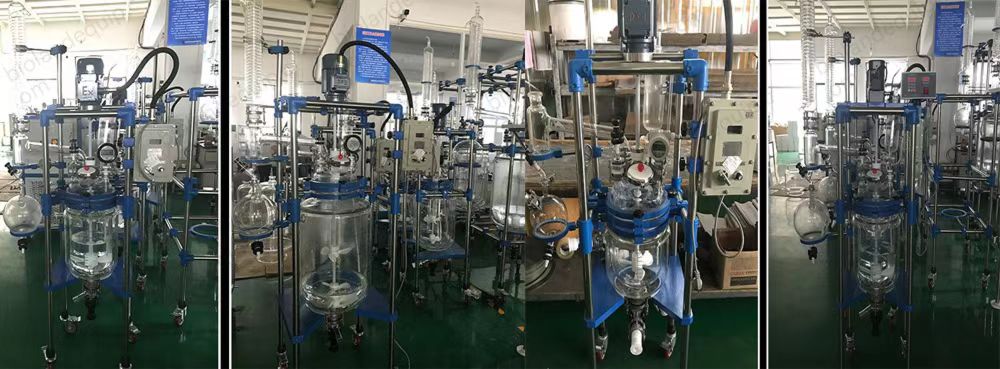
chemical glass reactor is a key experimental equipment that Across multiple industries ?
chemical glass reactor,laboratory chemical glass reactor,100L glass reactor ,jacketed batch reactor,jacketed glass reactor,100 liter glass reactor,double-layer glass reactor, vacuum jacketed reactor, glass-lined reactor
-
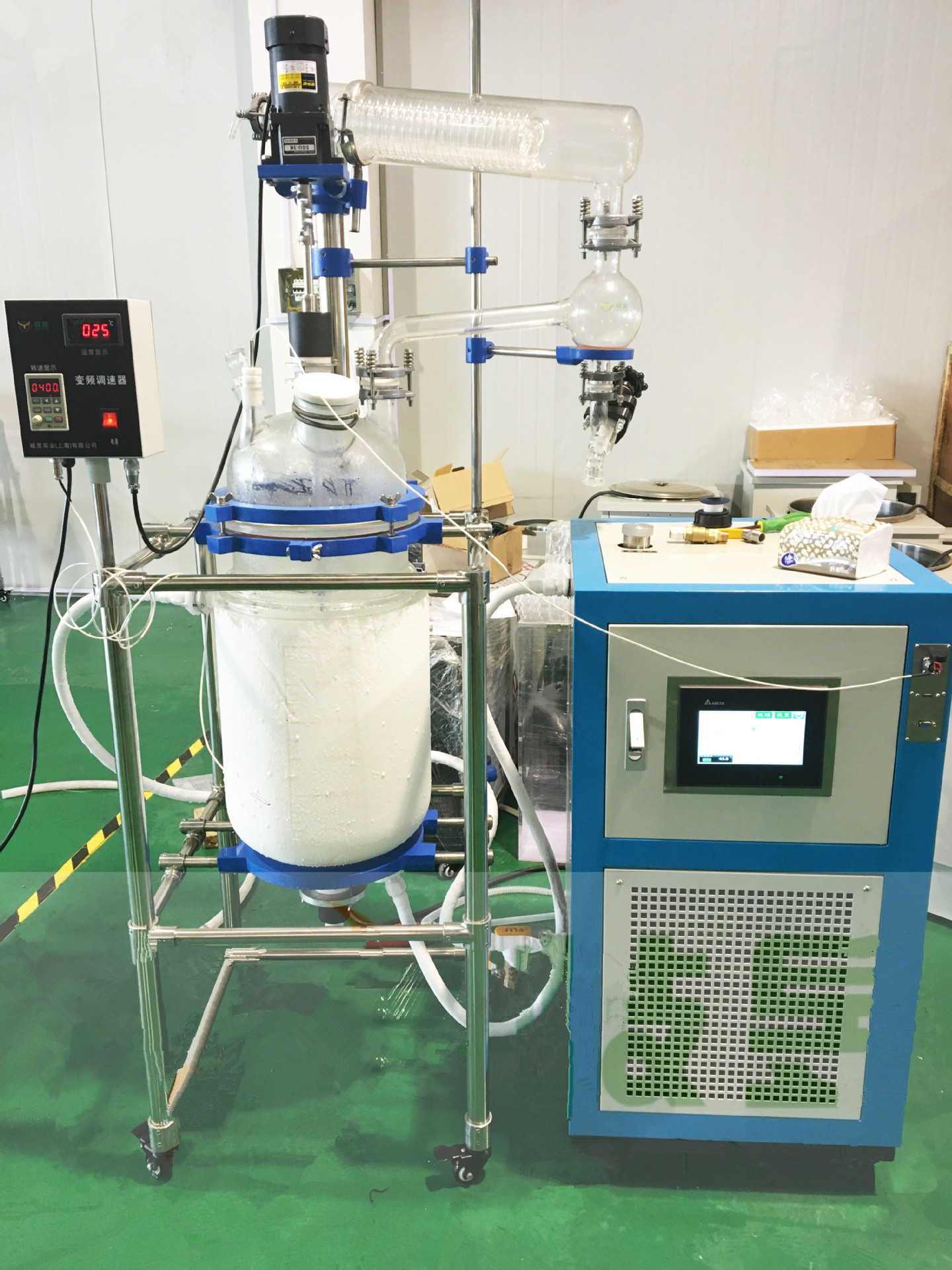
Selection tips for temperature control system - chemical glass reactor
temperature control system,high low temeperature control system,temperature control system , low tempeature cooler
-
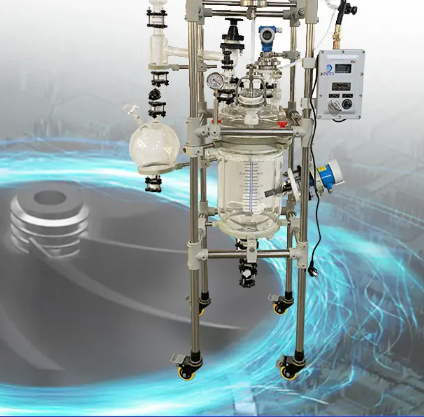
What is solid phase chemical synthesis reactor ?
solid phase reactor, chemical synthesis reactor , glass filter reactor ,100L glass reactor
Consultation