
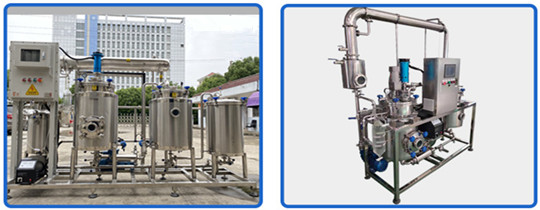
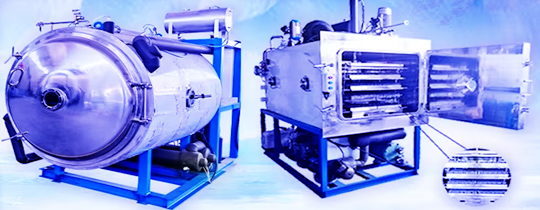
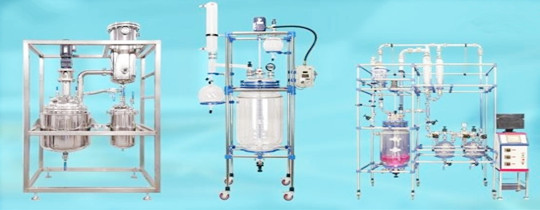
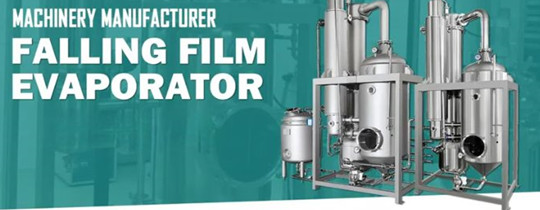
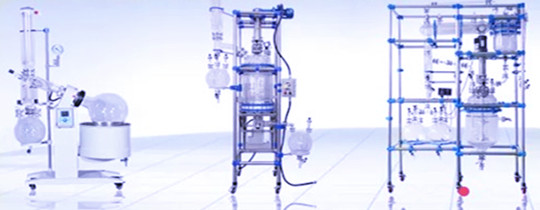
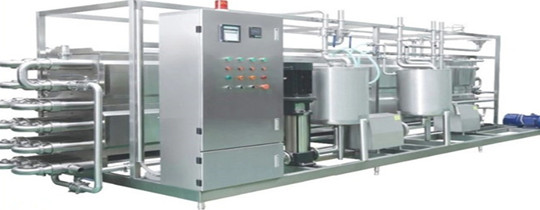

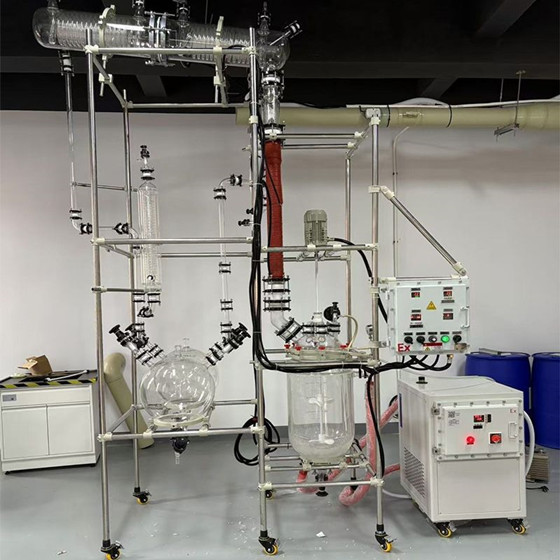
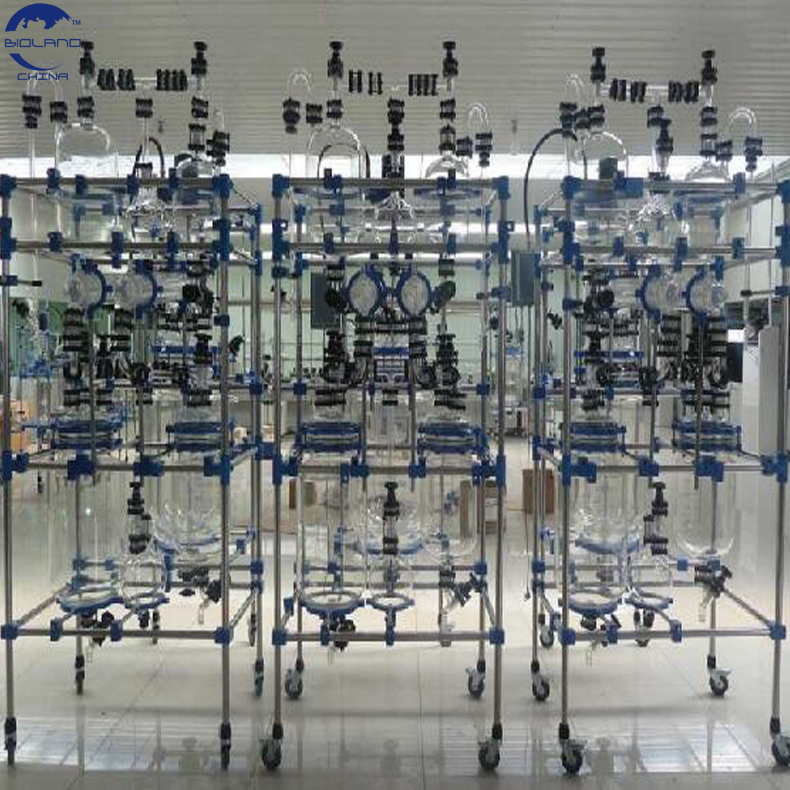
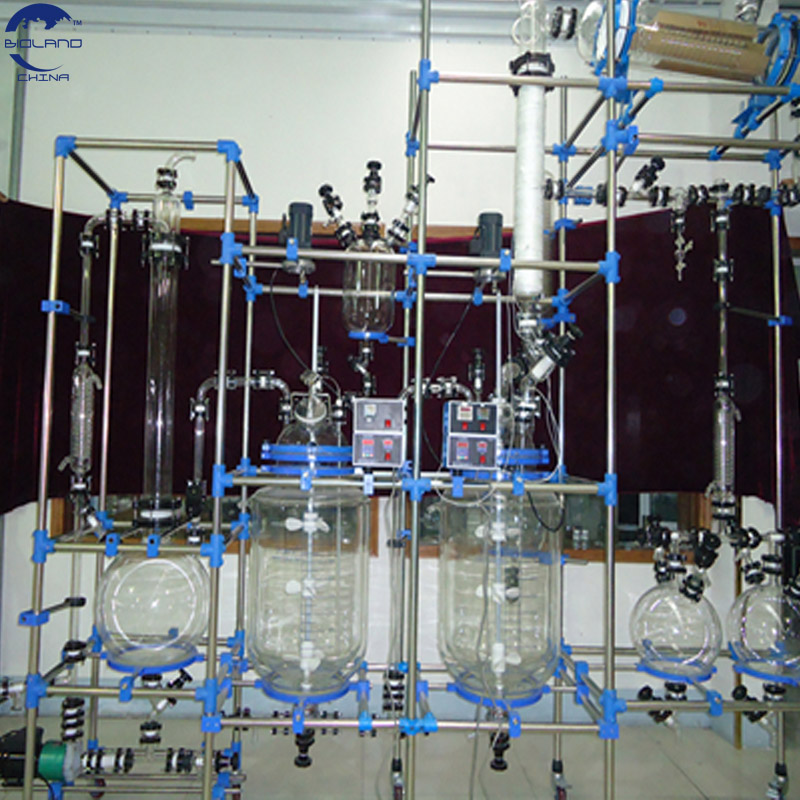
acid purification distillation column reactor
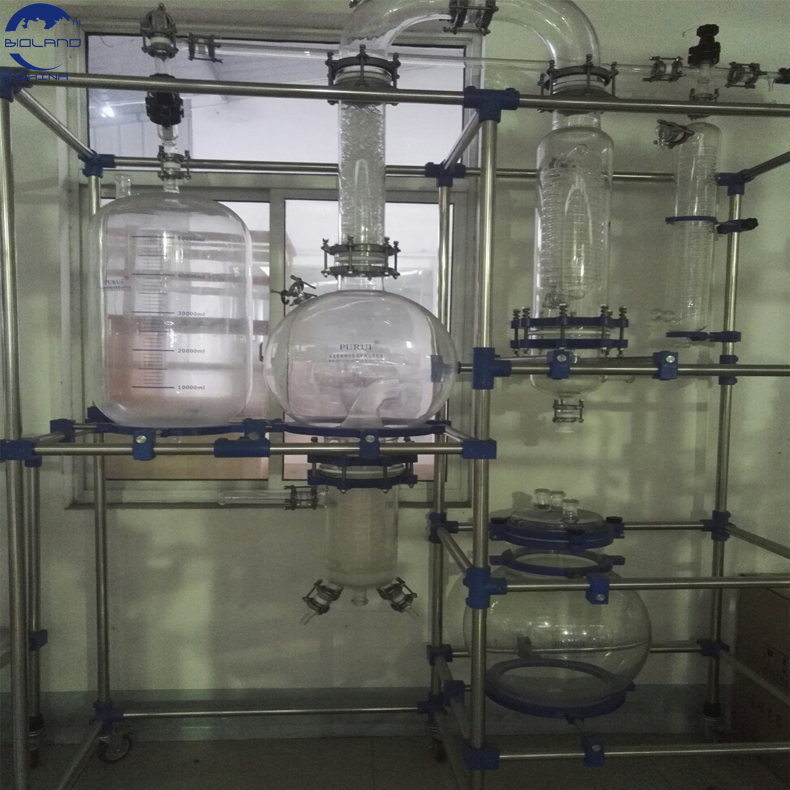
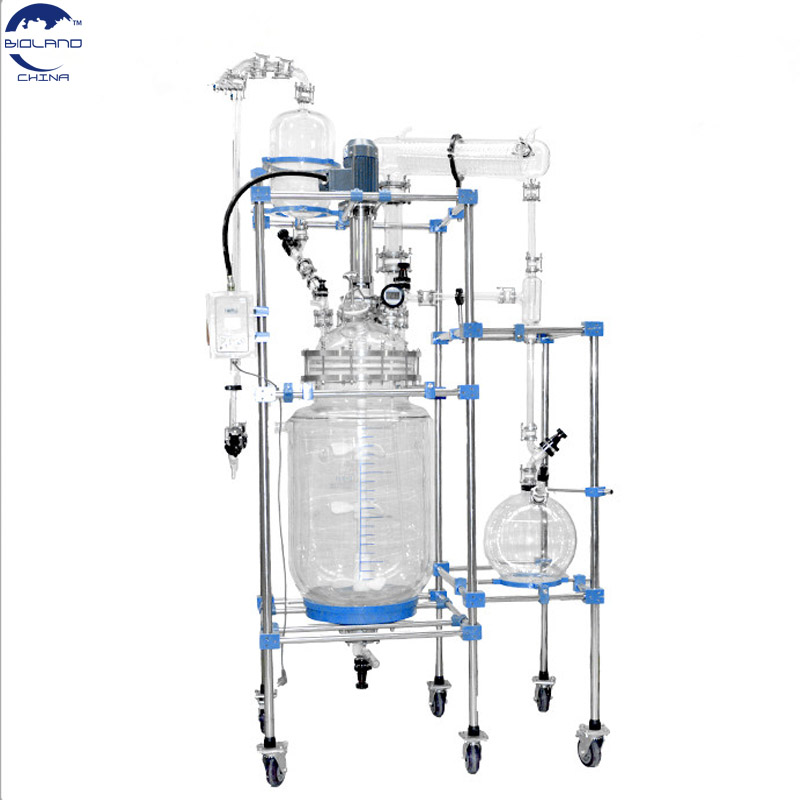
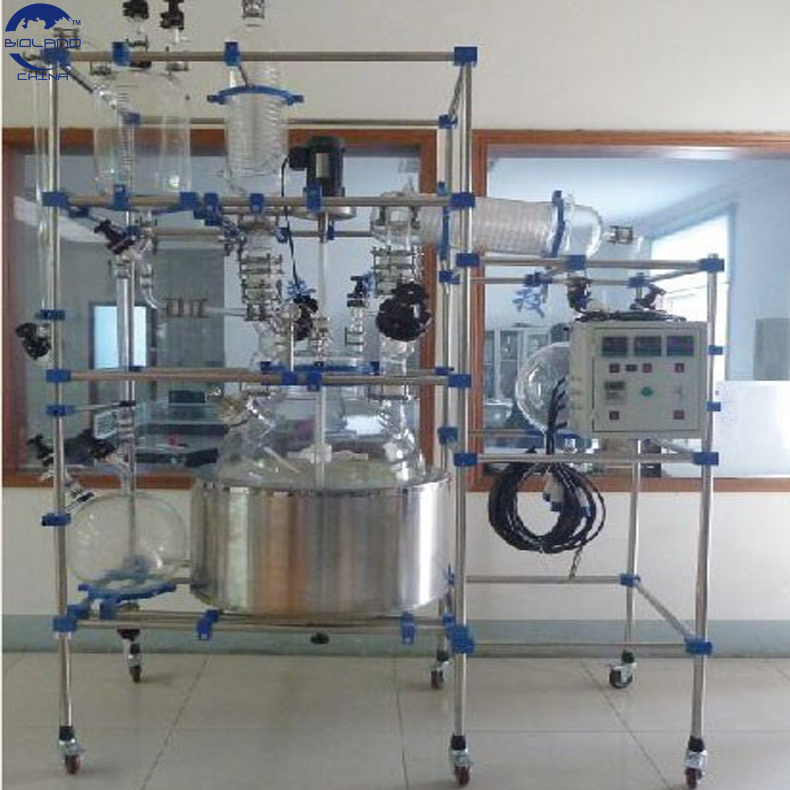
cylindrical distillation column reactor- Glass Vacuum Fractionation Fractional Distillation Column
acid purification distillation column reactor ,solvent recovery & dehydration distillation column
Product Detail
Product Description
rectification Distillation is a separation process that utilizes the different volatilities of each component in a mixture to separate them. Commonly used equipment includes plate distillation towers and packed distillation towers. The principle and equipment process of precision distillation are the same as ordinary distillation, except that the relative volatility between the components in the system to be separated is relatively small (<1.05-1.10). Therefore, efficient precision packing is used to achieve the separation and purification of the components to be separated.
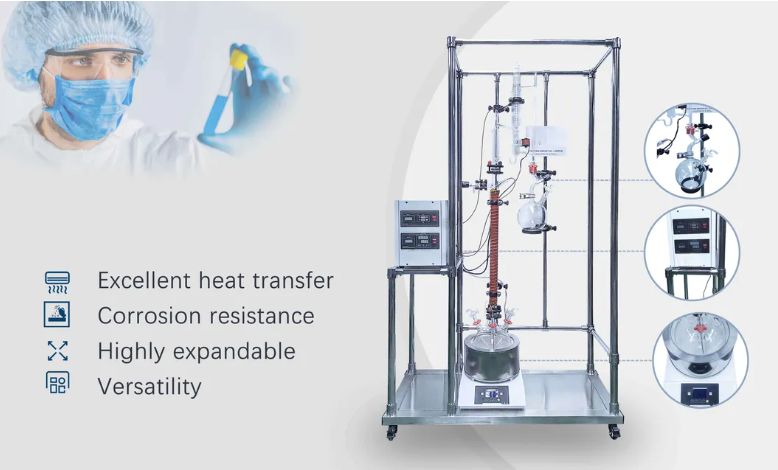
principles of rectification
Distillation is usually carried out in a distillation column, where the gas and liquid phases come into contact in countercurrent to conduct interphase heat and mass transfer. The volatile components in the liquid phase enter the gas phase, and the non-volatile components in the gas phase transfer to the liquid phase. Thus, almost pure volatile components can be obtained at the top of the tower, and almost pure non-volatile components can be obtained at the bottom of the tower. The feed liquid is added from the middle of the tower. The section above the feed inlet further concentrates the volatile components in the rising vapor, which is called the distillation section. The section of the tower below the feed inlet where volatile components are extracted from the descending liquid is called the distillation section. The steam drawn from the top of the column is condensed. Part of the condensate is returned to the distillation column as reflux liquid from the top, and the rest of the distillate is the top product of the column. The liquid drawn from the bottom of the tower is partially vaporized by the reboiler. The steam rises along the tower, and the remaining liquid is used as the product at the bottom of the tower. The ratio of the amount of liquid flowing back into the column from the top to the amount of product at the top of the column is called the reflux ratio, and its magnitude will affect the separation effect and energy consumption of the distillation operation.
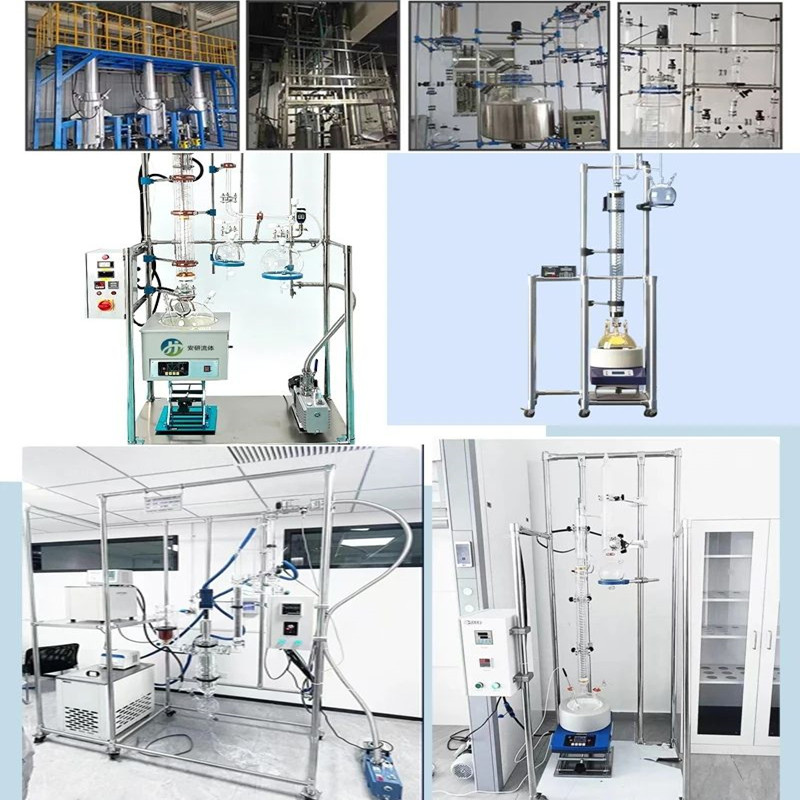
A typical distillation equipment is a continuous distillation unit, including a distillation tower, reboiler, condenser, etc. The distillation tower supplies gas-liquid two-phase contact for interfacial mass transfer. The condenser located at the top of the tower partially condenses the vapor, and some of the condensed liquid is returned to the top of the tower as reflux liquid. The remaining distillate is the product at the top of the tower.
1. Reboiler 2 Distillation tower 3 Tower Plate 4 Feed preheater 5 Condenser 6. Tower top product cooler 7 Tower bottom product cooler
Application
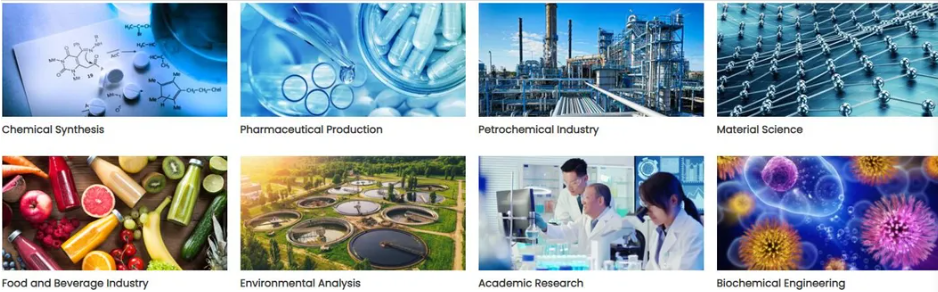
Distillation tower is a widely used equipment in chemical, pharmaceutical, food and other fields, mainly used for the following purposes:
Separate various components in the mixture, such as separating different hydrocarbons in petroleum, separating alcohol and water, etc.
Purified chemicals: such as separating and purifying drugs, purifying solvents, etc.
Production of high-purity chemicals, such as semiconductor materials, optical materials, etc.
Food processing: such as extracting aroma components from food, extracting soy sauce, etc.
Environmental protection: such as treating wastewater, exhaust gas, etc.
Distillation tower, as a common separation equipment, plays an irreplaceable role in many industrial processes.
Related Products
MORE >-
![Glass fractional distillation column reactor of nitric acid]()
Glass fractional distillation column reactor of nitric acid
-
![fractionating column tower of synthesis methane]()
fractionating column tower of synthesis methane
-
![Petroleum refining vacuum distillation unit]()
Petroleum refining vacuum distillation unit
-
![Laboratory distillation packed column apparatus]()
Laboratory distillation packed column apparatus
-
![chemical plant distillation packed column manufacturers]()
chemical plant distillation packed column manufacturers
-
![vacuum packing distillation column equipment of purifying phenols amines]()
vacuum packing distillation column equipment of purifying phenols amines
Consultation