
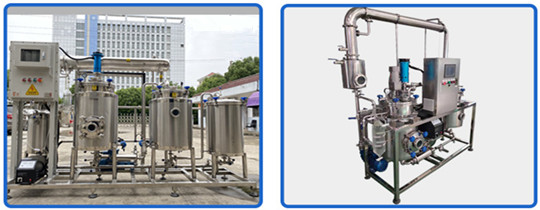
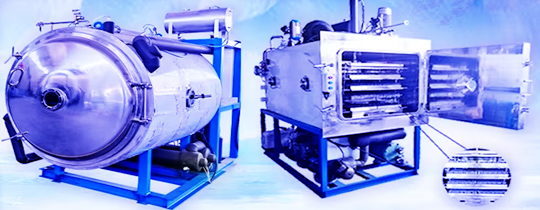
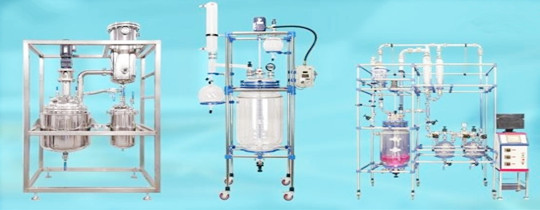
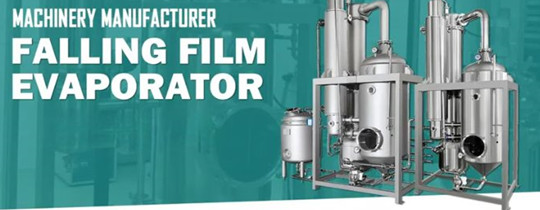
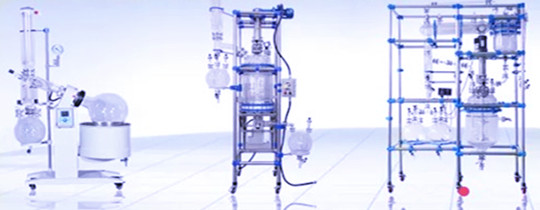
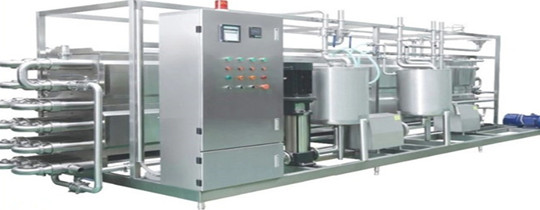



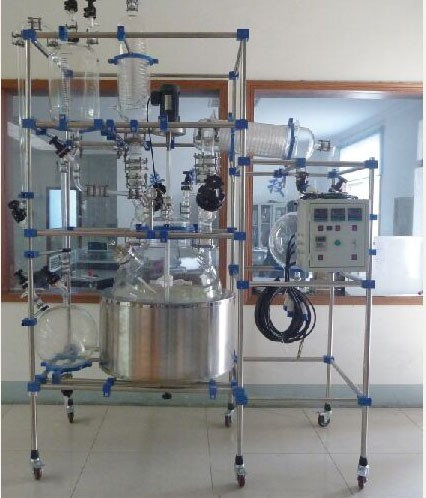
rectifying column fractionating distillation system of petrochemicals
Fractional distillation is a technique used to purify solvents, chemicals, natural products, petroleum, biodiesel, crude oil and other materials.
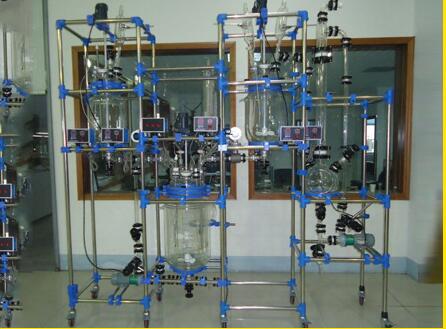
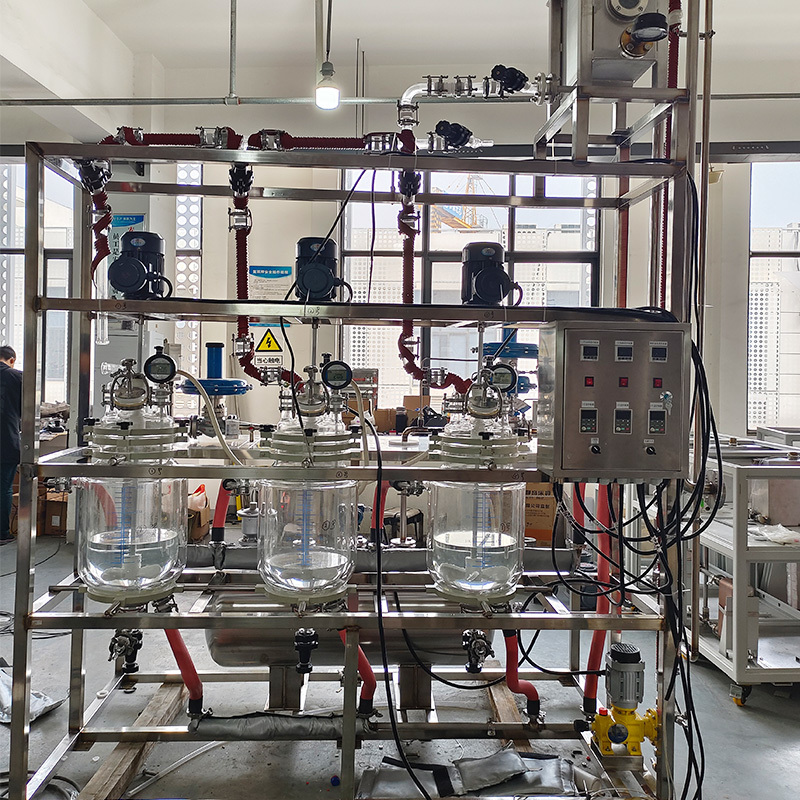
Fractional Distillation tower system is actually an important equipment in the production of chemical, petrochemical, and refining industries
Product Detail
Product Description
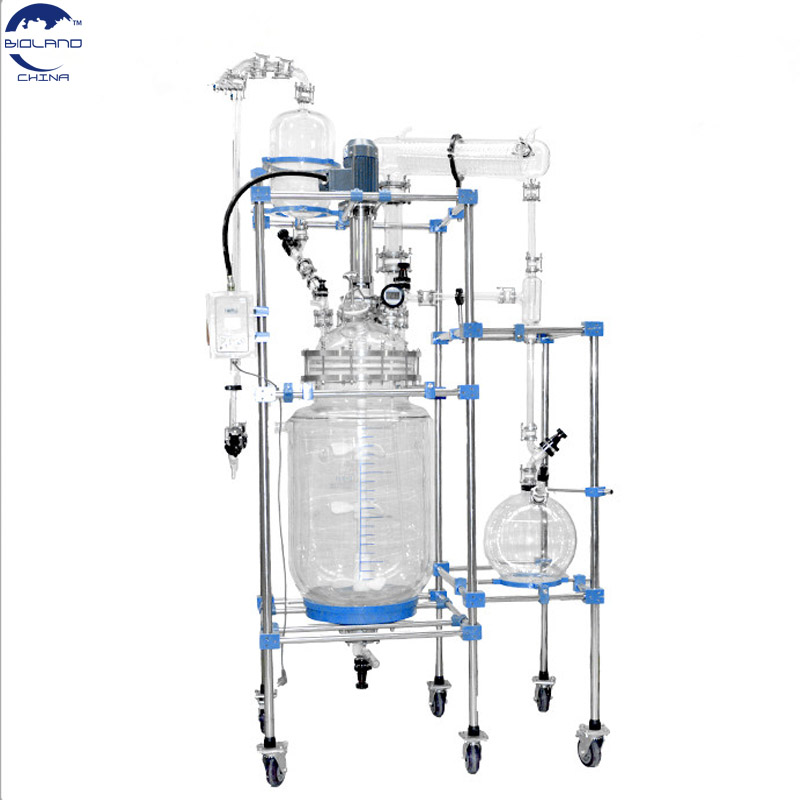
Distillation is a typical unit operation for separating miscible liquid mixtures in chemical production. Its essence is multi-stage distillation, which uses the different boiling points or saturated vapor pressures of each component in the miscible liquid mixture under a certain pressure to vaporize light components (components with lower boiling points or higher saturated vapor pressures). After multiple partial liquid-phase vaporization and partial gas-phase condensation, the concentration of light components in the gas phase and heavy components in the liquid phase gradually increases, thereby achieving separation. The main equipment in the distillation process includes: distillation tower, reboiler, condenser, reflux tank, and conveying equipment. The distillation tower is bounded by the feed plate, with the upper part being the distillation section and the lower part being the retention section. After entering the distillation tower at a certain temperature and pressure, the light components gradually concentrate in the distillation section, and after leaving the top of the tower, they all condense and enter the reflux.
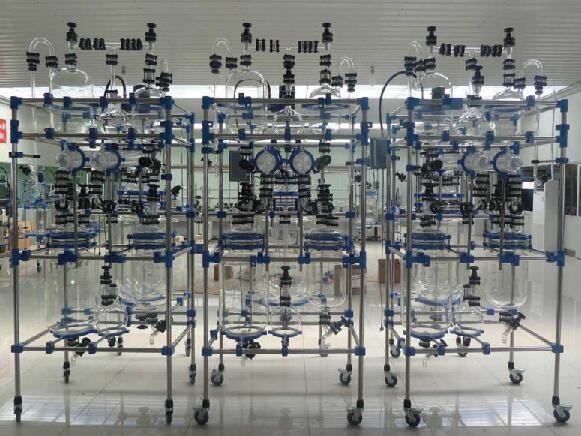
The main structure of rectifying column fractionating system
The distillation tower can be roughly divided into three sections structurally: distillation section, feed section, and distillation section
1. Distillation section: located at the lower part of the tower, mainly used for stripping. In this section, the rising steam comes into contact with the falling liquid and undergoes heat and mass exchange. In heat exchange, the rising steam is partially condensed, releasing heat and transferring it to the descending liquid, causing it to partially vaporize. In mass exchange, the heavy components in the liquid portion are replaced by the light components extracted from the steam, while the light components in the steam are condensed into the liquid to remove volatile light components from the liquid.
2. Feed section: This is the position where the raw material mixture enters the distillation tower. Choosing the appropriate feeding location based on the proportion of light and heavy components in the raw material mixture, as well as the temperature, pressure, and other conditions inside the tower, is crucial for improving separation efficiency and product quality.
3. Distillation section: located at the upper part of the tower, it is the main area for achieving final separation. In this area, the steam continues to rise and forms counter current contact with the reflux liquid from the previous block, further achieving the purification of the components
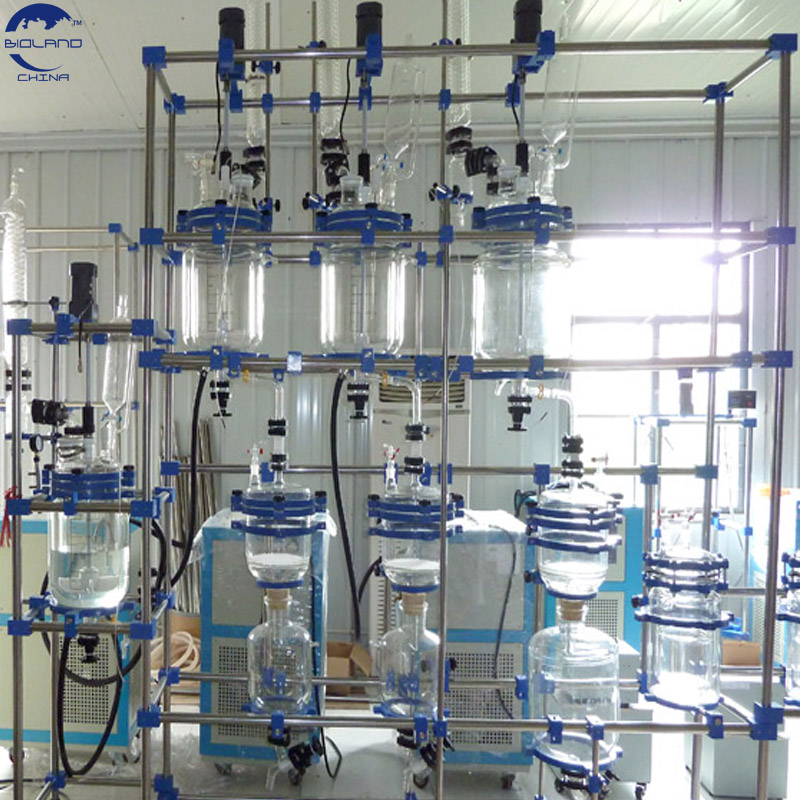
The working principle of a distillation column
The working principle of a distillation tower is mainly based on the difference in boiling points of different substances. By heating the mixture, the low boiling point substances are first vaporized, and then the steam rises along the tower. During the rising process, it undergoes multiple condensation and vaporization, ultimately separating the mixture into high-purity single components.
Firstly, the raw material mixture is fed into the feed section, and then in the distillation and extraction sections, the separation of each component is achieved through continuous heating, vaporization, condensation, and reflux. At the top of the tower, components with lower boiling points are extracted in the form of steam, and purified products are obtained after condensation. At the bottom of the tower, the components with higher boiling points gather into a liquid, namely the kettle residue, which can be further purified or directly discharged.
In summary, the distillation tower achieves efficient separation of mixtures through its unique structure and working principle. Among them, the distillation section, feed section, and distillation section each have their own functions and work together to complete the distillation process. This separation technology is widely used in industries such as chemical, petrochemical, pharmaceutical, etc

Related Products
MORE >-
![Glass fractional distillation column reactor of nitric acid]()
Glass fractional distillation column reactor of nitric acid
-
![fractionating column tower of synthesis methane]()
fractionating column tower of synthesis methane
-
![Petroleum refining vacuum distillation unit]()
Petroleum refining vacuum distillation unit
-
![Laboratory distillation packed column apparatus]()
Laboratory distillation packed column apparatus
-
![chemical plant distillation packed column manufacturers]()
chemical plant distillation packed column manufacturers
-
![vacuum packing distillation column equipment of purifying phenols amines]()
vacuum packing distillation column equipment of purifying phenols amines
Consultation