
- Home
- >
- Products
- >
- Extraction
- Ultrasonic assisted Extraction Equipment
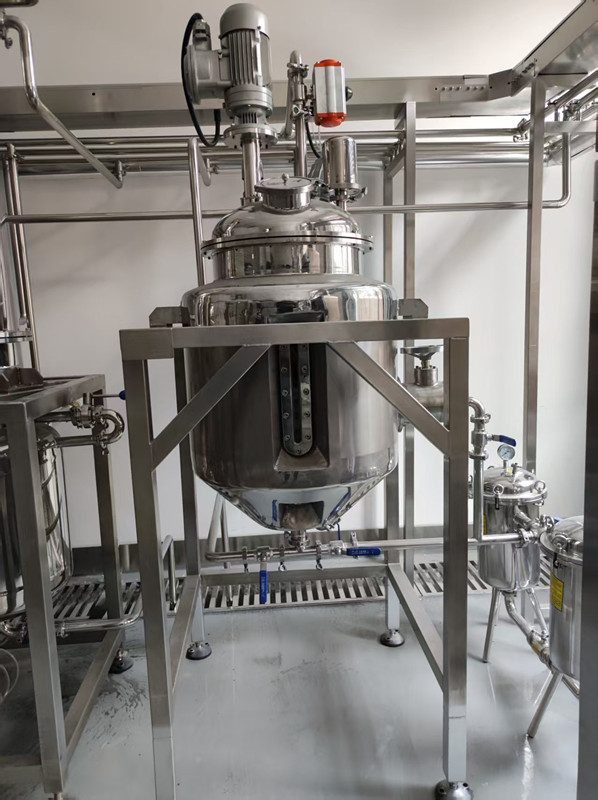
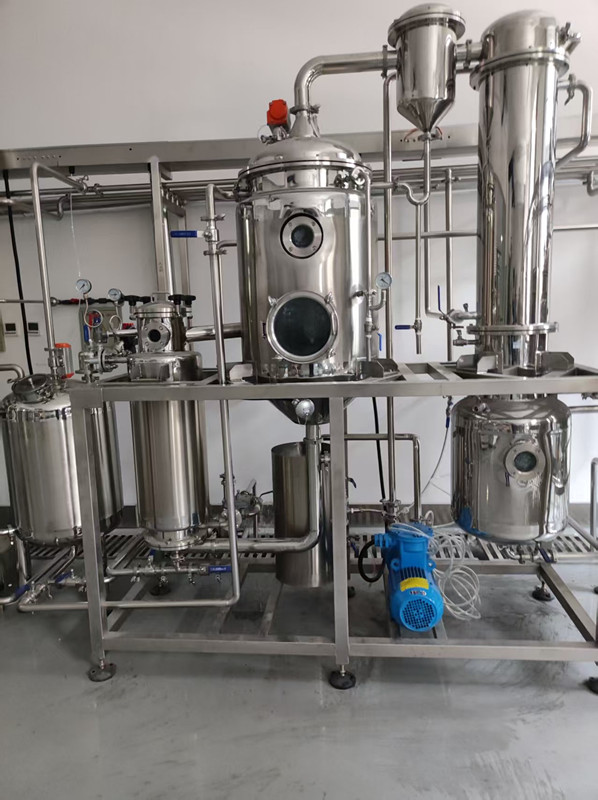
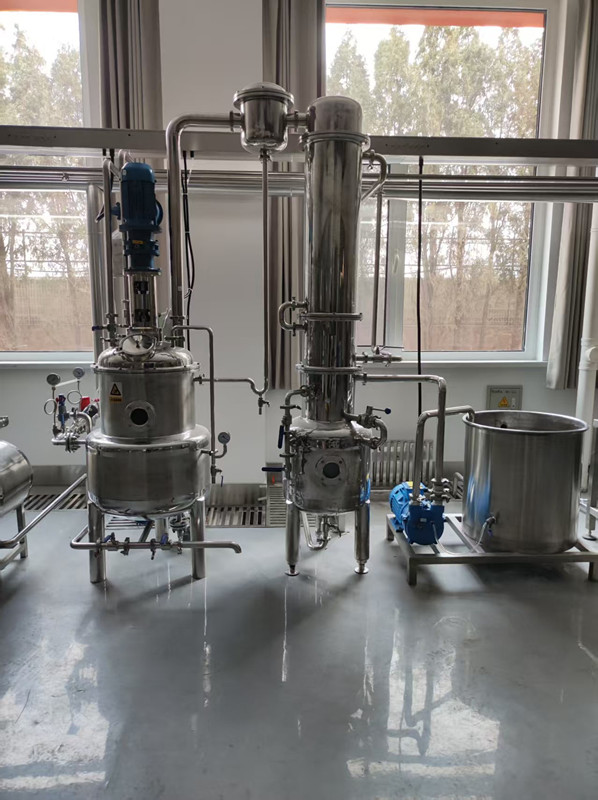
liquid liquid extraction equipment
liquid liquid extraction equipment
liquid liquid extraction equipment
Product Detail
Product Introduction
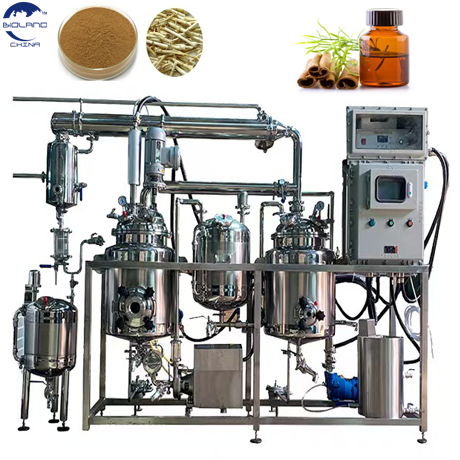
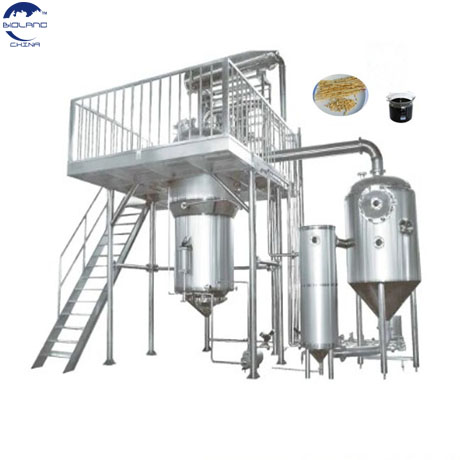
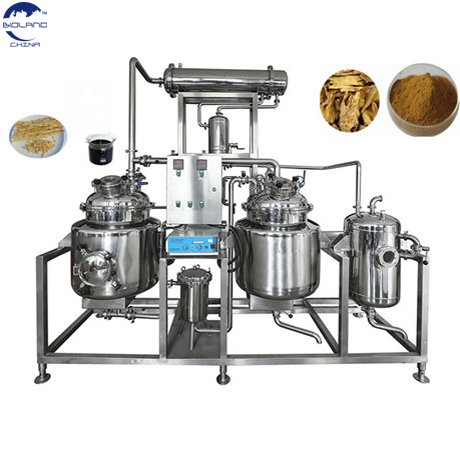
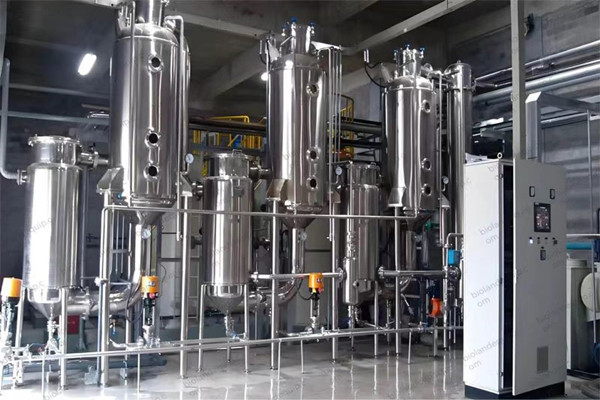
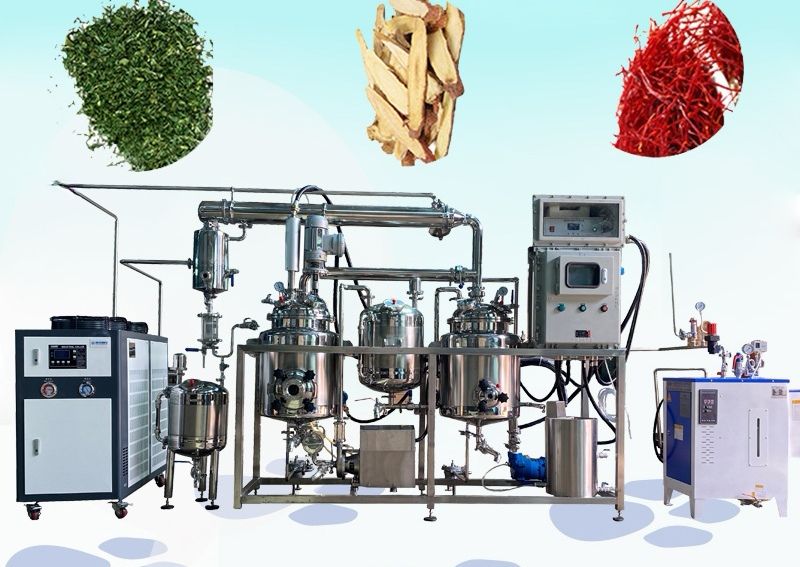
The essence of liquid-liquid extraction (LLE) is to use the difference in distribution coefficients of the target substance in immiscible solvents to achieve separation. Traditional hand cranking or shaking methods have problems such as low efficiency, large solvent consumption, and high operator exposure risks. Ultrasonic waves generate local high temperature and pressure, strong shear forces, and microjets through cavitation effect (violent generation and collapse of microbubbles), which can significantly accelerate the renewal of the two-phase interface, destroy the emulsion layer, and improve mass transfer rate - this is the technical logic basis of "ultrasonic enhanced liquid-liquid extraction". Mostly used for liquid-solid extraction (such as traditional Chinese medicine and tea), its structure (such as with heating/stirring/circulation system) is more suitable for solid matrix; Equipment optimized specifically for pure liquid-liquid systems
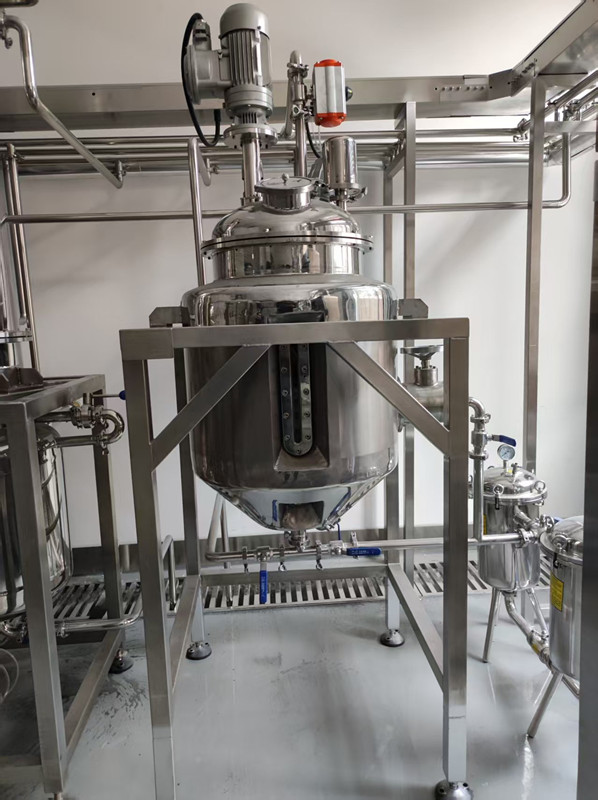
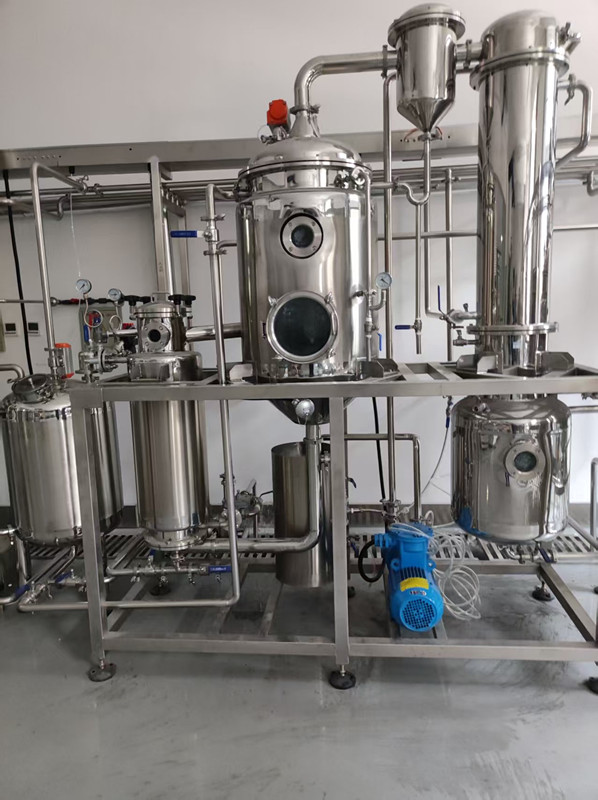
Process flow of liquid-liquid ultrasonic extraction equipment
1) Feeding and pretreatment
The raw material solution (containing target solute A and diluent B) is pre mixed with extraction solvent S in proportion, and the dispersibility is enhanced by ultrasonic pretreatment.
Ultrasonic cavitation initially breaks the phase interface and reduces the risk of subsequent emulsification.
2) Ultrasonic enhanced mixed reaction
The mixed liquid enters the ultrasonic reactor, and high-frequency ultrasound (typical frequency 20-100 kHz) generates cavitation bubbles, which instantly rupture to form micro jets, achieving sub micron level droplet dispersion.
Enhanced mass transfer: The cavitation effect accelerates the diffusion of solute A from diluent B to solvent S, increasing the mass transfer coefficient (KLa) by 30-50%.
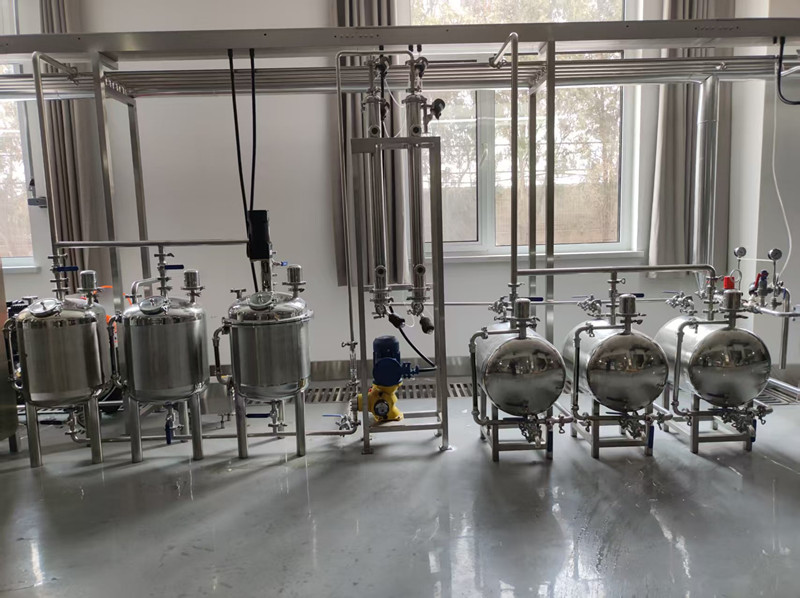
3) Multi stage countercurrent extraction (optional)
For difficult to separate systems, a multi-stage countercurrent design is adopted, with each stage equipped with an independent ultrasonic unit to gradually improve the extraction purity.
4) Settlement and phase separation
After the ultrasound stops, the mixed liquid enters the settling tank and is stratified by density difference. Ultrasonic pretreatment significantly reduces settling time (by 40% compared to traditional equipment).
Collect the extraction phase (solvent S enriched with solute A) and the residual phase (containing diluent B) separately.
5) Solvent recovery and recycling
Extract the solvent through distillation or membrane separation to achieve recycling and reduce operating costs
technical advantage
1. Significant improvement in mass transfer efficiency
Micro scale mixing: Ultrasonic cavitation breaks down droplets to the micrometer level, increasing their specific surface area by more than 10 times and significantly expanding their mass transfer area.
Diffusion enhancement: The disturbance of cavitation microfluidics breaks the boundary layer resistance, and the diffusion coefficient is increased by 30% -60% (predicted by machine learning models and verified by experiments).
2. Solve the bottleneck of traditional extraction
Avoiding emulsification: The combination of Support Liquid Extraction (SLLE) structure and ultrasonic vibration completely eliminates emulsification, increasing the recovery rate to over 95%.
Adapt to complex systems: Suitable for multi-component systems of traditional Chinese medicine (such as anthraquinones in rhubarb) and other complex systems, synchronously processing multiple solutes.
3. Energy saving and automation advantages
Low energy consumption: Ultrasonic energy is concentrated in the local reaction zone, with a power consumption of only 1/37 of mechanical stirring.
Automated integration: adaptable to 96 well plate SLLE system, achieving high throughput, fully automated operation and reducing manual intervention.
4. Process reinforcement and flexibility
Modular design: The reaction unit can integrate technologies such as microchannels and membrane separation, supporting continuous flow processes.
Adjustable parameters: Ultrasonic power, frequency, and time can be adjusted online to adapt to different viscosity and density systems (such as phosphoric acid purification and biological samples).
5. Safety and Sustainability
Low temperature operation: Avoid degradation of high-temperature sensitive substances and maintain the stability of active ingredients (such as effective ingredients in traditional Chinese medicine).
Solvent reduction: Efficient mass transfer reduces solvent usage and lowers VOCs emissions
Application
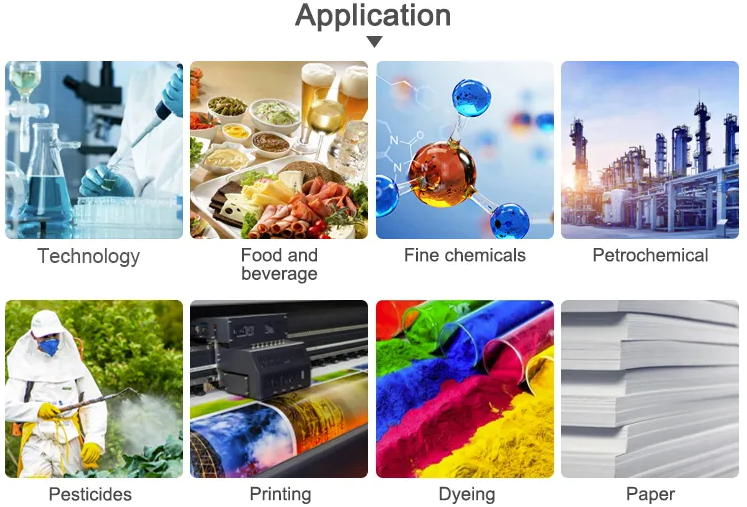
1) Environmental testing: rapid pretreatment of petroleum, volatile phenols, and anionic surfactants in water (in compliance with national standards such as HJ637/HJ503);
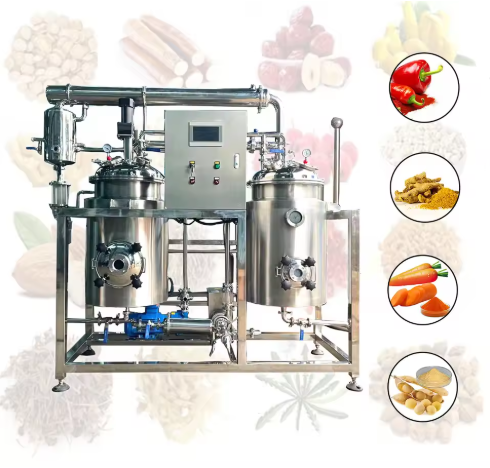
2) Food and Traditional Chinese Medicine: Simultaneously extract fat soluble and water-soluble components (such as volatile phenolic compounds) from tea and plant raw materials, and ultrasound can shorten the time and improve the yield;
3) Research and development: Optimize new extraction processes (such as liquid-liquid extraction LLME combined with ultrasound), or study liquid-liquid systems containing solid particles (such as slurry extraction)
Consultation