


- Home
- >
- Products
- >
- Extraction
- Ultrasonic assisted Extraction Equipment
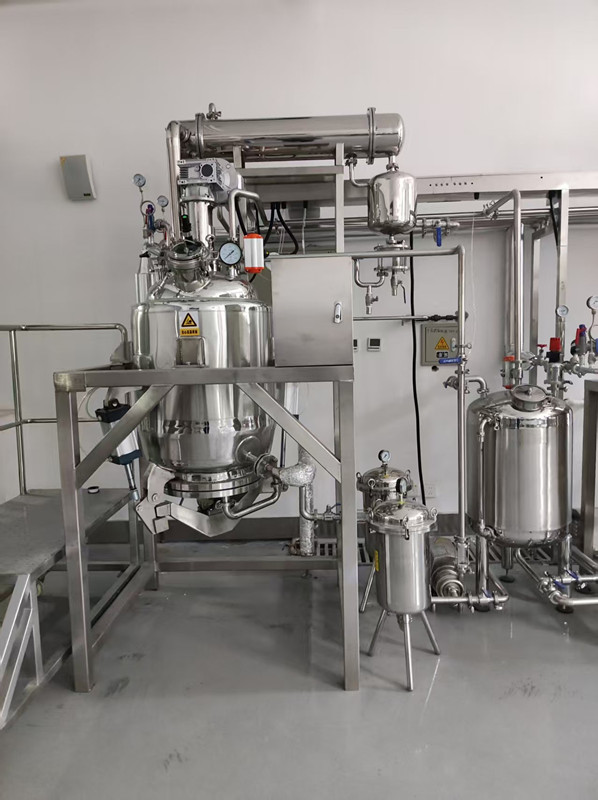
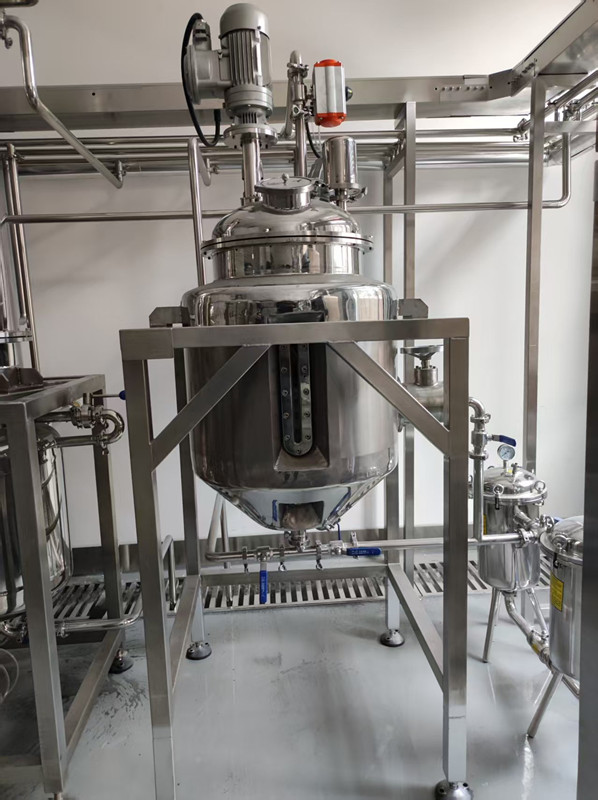
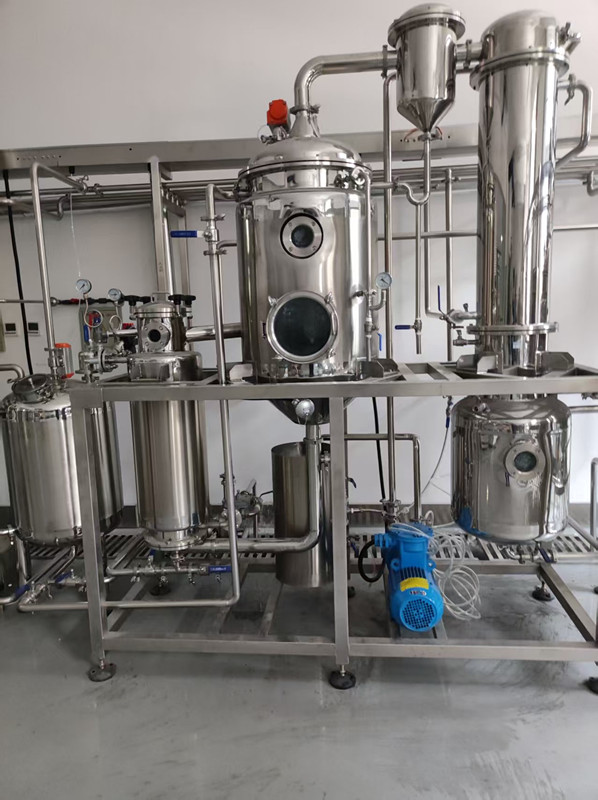
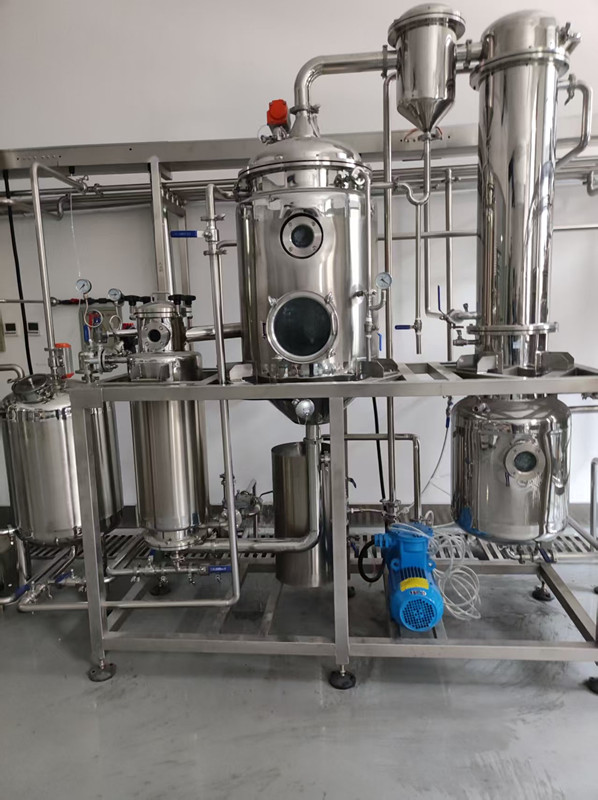
ultrasound assisted solvent extraction
ultrasound assisted solvent extraction
ultrasound assisted solvent extraction
Product Detail
Equipment Introduction
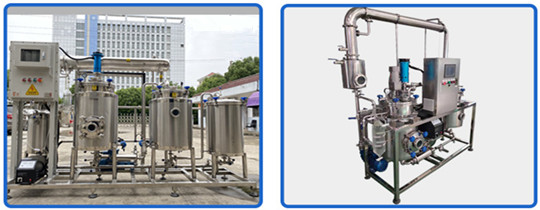
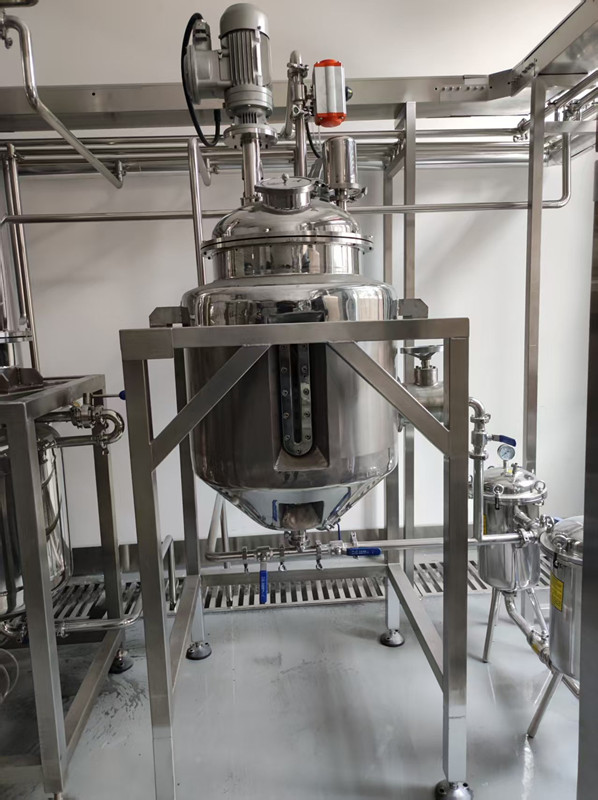
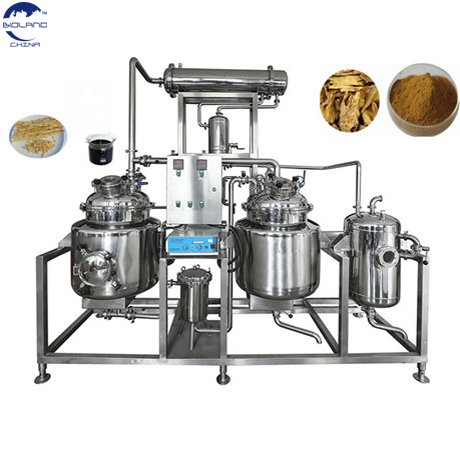
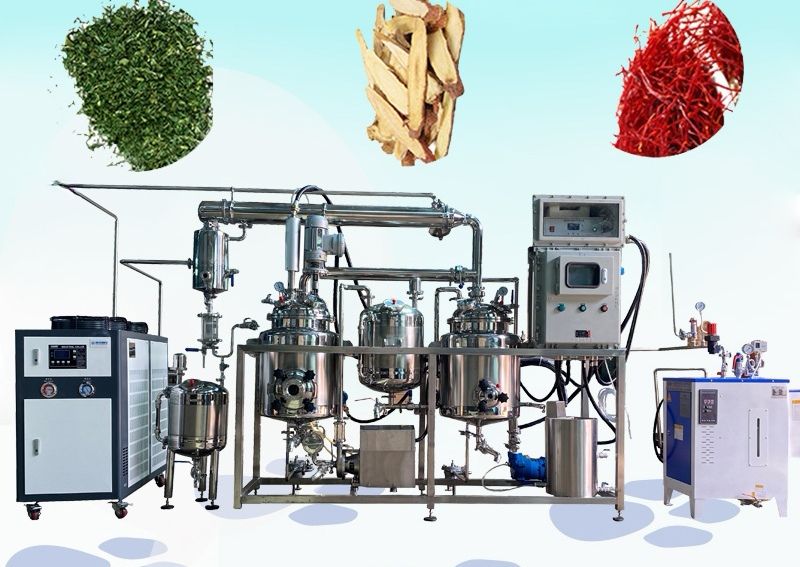
Ultrasonic assisted solvent extraction /ultrasound assisted solvent extraction (UASE) is a technique that utilizes the physical effects generated by high-frequency ultrasound (typically 20kHz – 80kHz) to enhance the substance extraction process. The equipment is mainly composed of the following modules:
1) Ultrasonic generator
Generate high-frequency electrical signals to drive the transducer, with adjustable power (laboratory grade 200W-1.5kW, industrial grade up to 20kW).
2) Transducers and amplitude rods
Convert electrical energy into mechanical vibration, transmit it to the solvent system through a titanium alloy probe, and trigger cavitation effect.
3) Temperature control system
Integrated cooling/heating module (-10 ℃ to 80 ℃) to ensure the stability of thermosensitive components.
4) Reaction vessel
Corrosion resistant material (such as 316L stainless steel), supporting open or closed design, suitable for reflux, inert gas protection and other processes.
5) Intelligent control interface
Application field
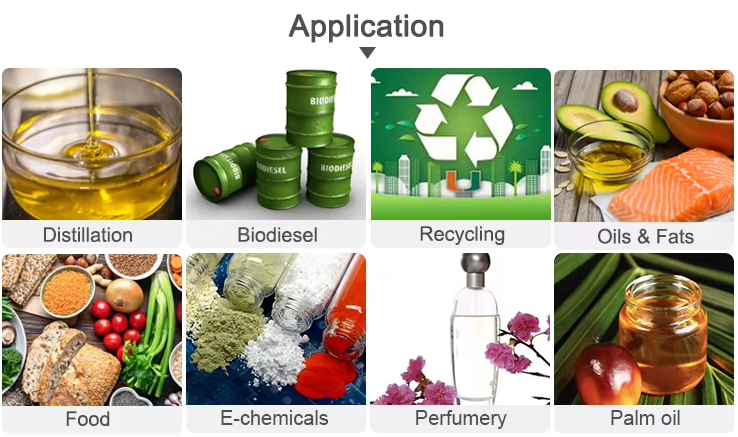
Biopharmaceuticals: dispersion of injectable pharmaceutical substances, herbal extraction, preparation of suspensions, preparation of vaccines
Food industry: Ultrasonic aging technology for wine fermentation
Cosmetics industry: extract essence of drugs and fine particles to achieve dispersion and emulsification
Ultrasonic assisted solvent extraction /ultrasound assisted solvent extraction (UASE) is a technique that utilizes the physical effects generated by high-frequency ultrasound (typically 20kHz – 80kHz) to enhance the substance extraction process. The equipment is mainly composed of the following modules:
1) Ultrasonic generator
Generate high-frequency electrical signals to drive the transducer, with adjustable power (laboratory grade 200W-1.5kW, industrial grade up to 20kW).
2) Transducers and amplitude rods
Convert electrical energy into mechanical vibration, transmit it to the solvent system through a titanium alloy probe, and trigger cavitation effect.
3) Temperature control system
Integrated cooling/heating module (-10 ℃ to 80 ℃) to ensure the stability of thermosensitive components.
4) Reaction vessel
Corrosion resistant material (such as 316L stainless steel), supporting open or closed design, suitable for reflux, inert gas protection and other processes.
5) Intelligent control interface
Touch screen or PC software, realizing frequency power temperature parameter linkage, partially supporting AI optimized extraction solutions
technological advantages
1. Efficient extraction mechanism
Cavitation effect: Ultrasonic waves generate micrometer sized bubbles in solvents and instantly collapse, forming local high temperatures (≈ 5000K) and high pressures (≈ 1000atm), breaking cell walls and accelerating component release.
Mechanical vibration: High frequency sound waves (>20kHz) enhance molecular motion, reduce diffusion boundary layer resistance, and improve mass transfer efficiency by over 300%.
Low temperature protection: Non thermal extraction (temperature ≤ 50 ℃), avoiding denaturation of thermosensitive substances (such as terpenes and proteins), with activity retention rate>95%.
2. Economy and environmental friendliness
Reduce solvent usage by 40% -70%: Due to enhanced permeability, high extraction rates can be achieved with low solvent concentrations.
50% reduction in energy consumption: Compared to supercritical CO ₂ or microwave extraction, it does not require high-pressure/high-temperature systems and has a comprehensive energy consumption of only 0.2-0.5kWh/kg.
No toxic by-products: physical processes replace chemical catalysts, in line with green chemistry principles.
3. Broad spectrum application
Natural product extraction
Suitable for essential oils (sandalwood/agarwood yield up to 40%), alkaloids (extraction time up to 30 minutes), and polysaccharides (shiitake mushroom polysaccharide extraction yield up to 76%).
Industrial compatibility
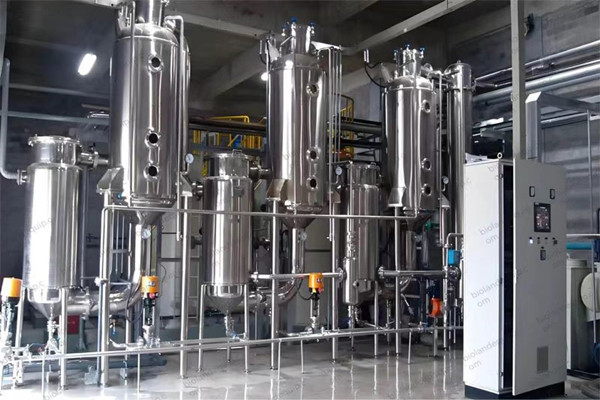
Modular design supports a capacity of 100L to 1000L, with an hourly processing capacity of 50 to 500kg.
Expansion of joint technology
Can be used in conjunction with supercritical CO ₂, enzymatic hydrolysis and other technologies for the dispersion of nanomaterials or degradation of pollutants
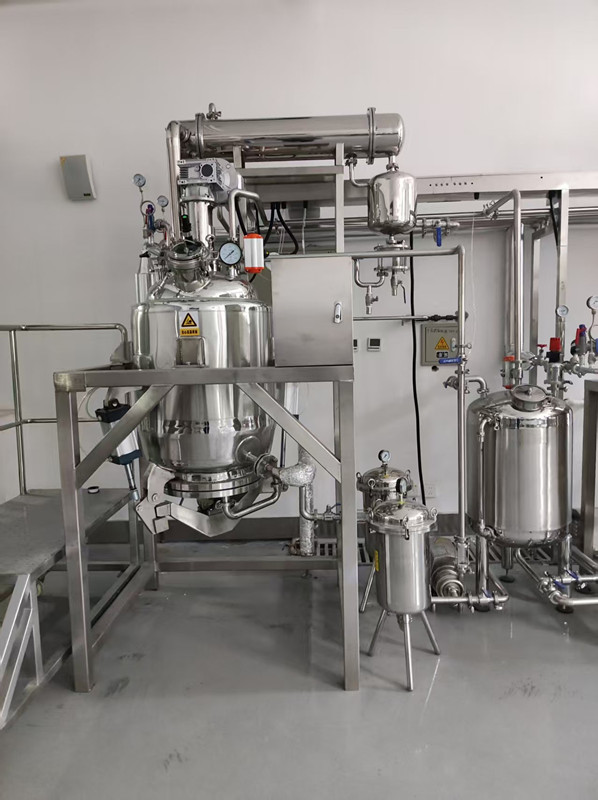
working principle
ultrasound assisted solvent extraction is a device that uses strong ultrasound to generate cavitation, fragmentation, and emulsification in solids and liquids, and extracts substances by adding various reactants to cells under temperature controlled stirring conditions according to reaction conditions.
This ultrasound assisted solvent extraction instrument incorporates the latest foreign technology and combines software and hardware technologies such as microcomputer control, frequency selection, temperature measurement, and protection. It is an ultrasonic extraction instrument widely used in fields such as biochemistry, microbiology, medicinal chemistry, surface chemistry, physics, agriculture, medicine, and pharmaceuticals.
Intelligence: Combining software and hardware technologies such as microcomputer control, frequency selection, temperature measurement, and protection
Flexible parameters: ultrasonic time, power, and stirring speed can be set arbitrarily within the range
Wide application range: different types of reaction vessels can be configured to meet all laboratory needs
Accurate temperature control: equipped with temperature measurement function, precise temperature control
Biopharmaceuticals: dispersion of injectable pharmaceutical substances, herbal extraction, preparation of suspensions, preparation of vaccines
Food industry: Ultrasonic aging technology for wine fermentation
Cosmetics industry: extract essence of drugs and fine particles to achieve dispersion and emulsification
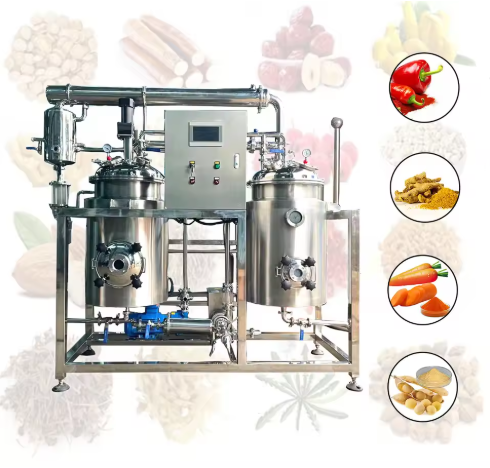
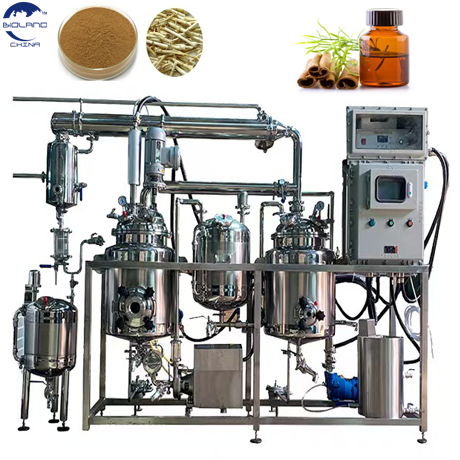
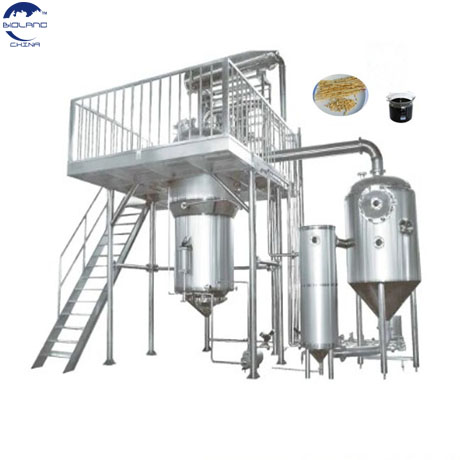
Consultation