



- Home
- >
- Products
- >
- Extraction
- Ultrasonic assisted Extraction Equipment
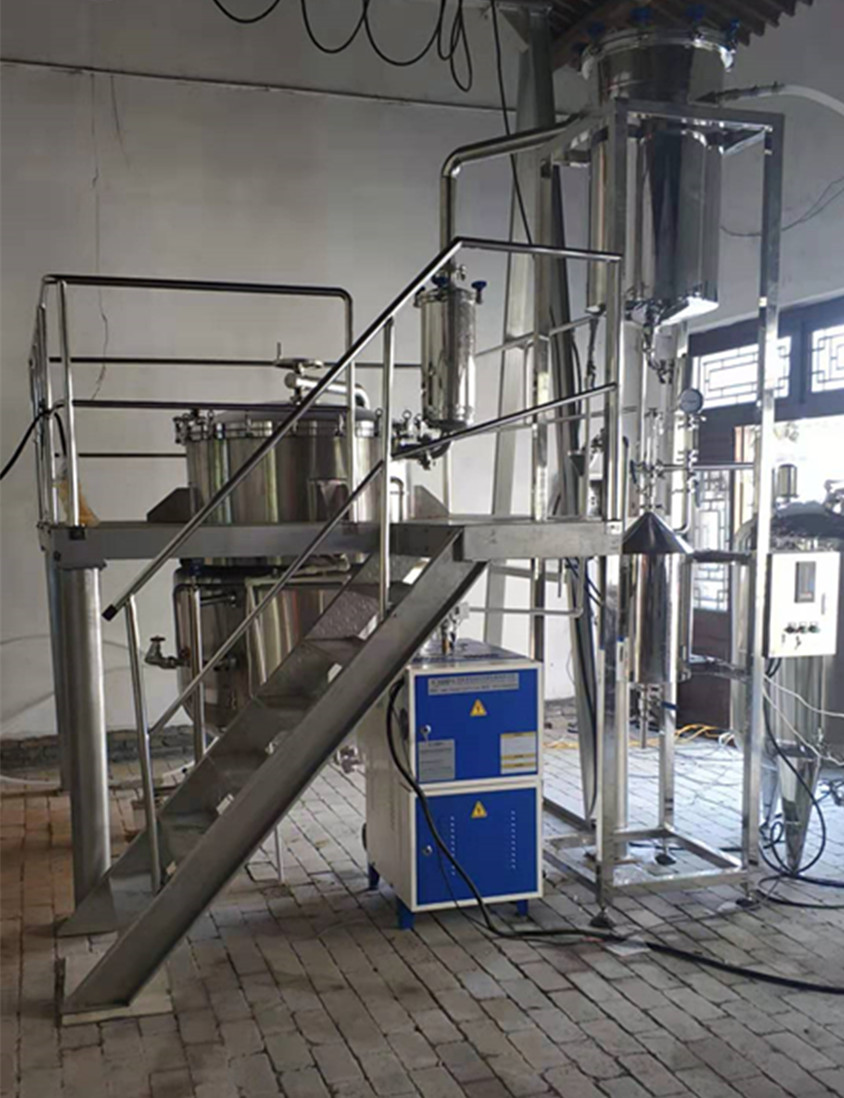
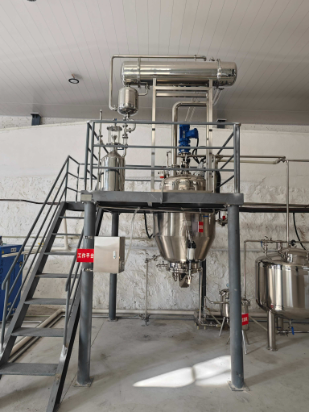
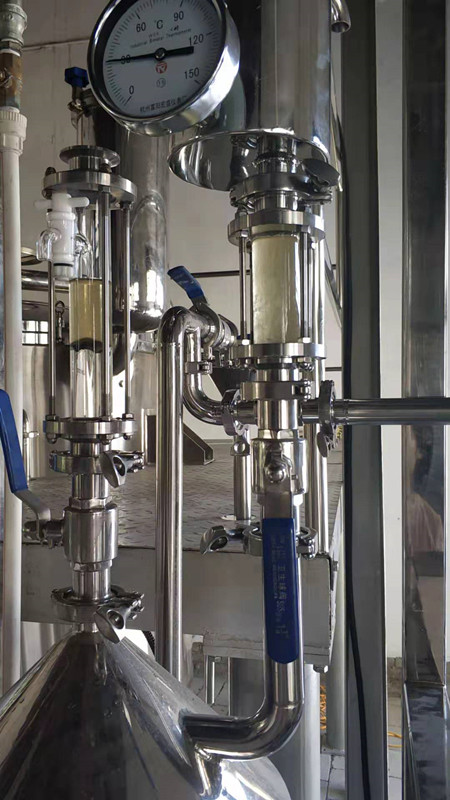
ultrasonic extraction of essential oils
ultrasonic extraction of essential oils
ultrasonic extraction of essential oils
Product Detail
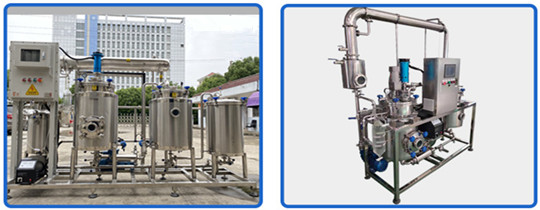
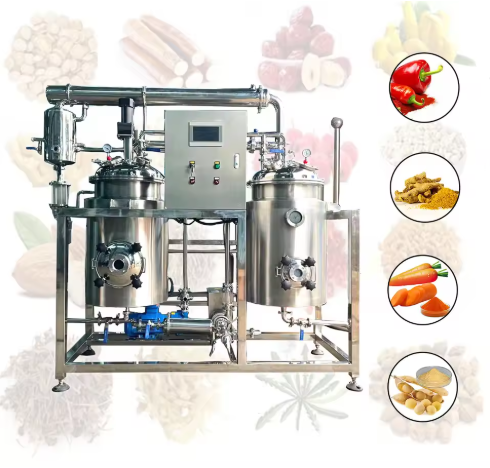
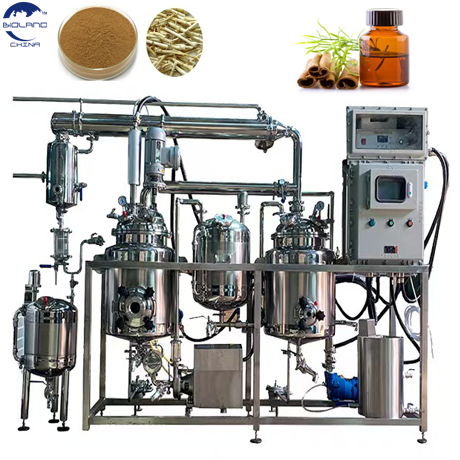
Ultrasonic essential oil extraction equipment is a green physical extraction solution that focuses on cavitation effect, with high efficiency (increasing extraction rate by 30-50%), low temperature (temperature control by 35-55 ℃), low solvent dependence (reducing dosage by more than 40%), and intelligence (AI dynamic frequency modulation). It has been widely used in industrial and laboratory level extraction of heat sensitive aromatic plants such as roses, lavender, and tea tree oil
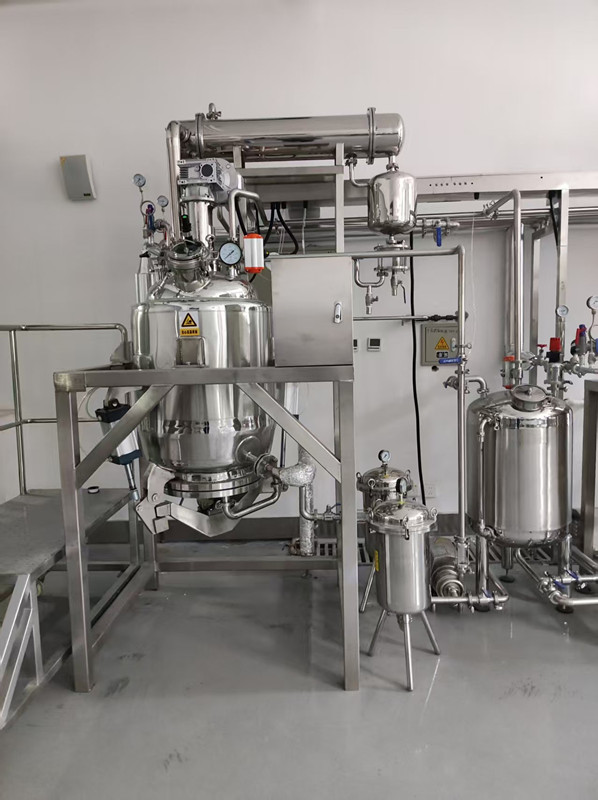
Equipment working principle
Ultrasonic essential oil extraction equipment utilizes high-frequency mechanical waves (usually 20-80kHz) to generate physical effects for extracting essential oils. The core process includes:Cavitation effect: Ultrasonic waves form tiny bubbles in solvents and instantly rupture, producing local high temperatures (≈ 5000K) and high pressures (≈ 1000atm), strongly damaging plant cell walls and releasing essential oil molecules.
Mechanical vibration: enhances solvent permeability, accelerates mass transfer efficiency, and shortens extraction time to 1/3-1/5 of traditional methods.
Low temperature operation: Temperature can be controlled throughout the process (usually<60 ℃) to avoid oxidation or degradation of thermosensitive components such as terpenes and esters
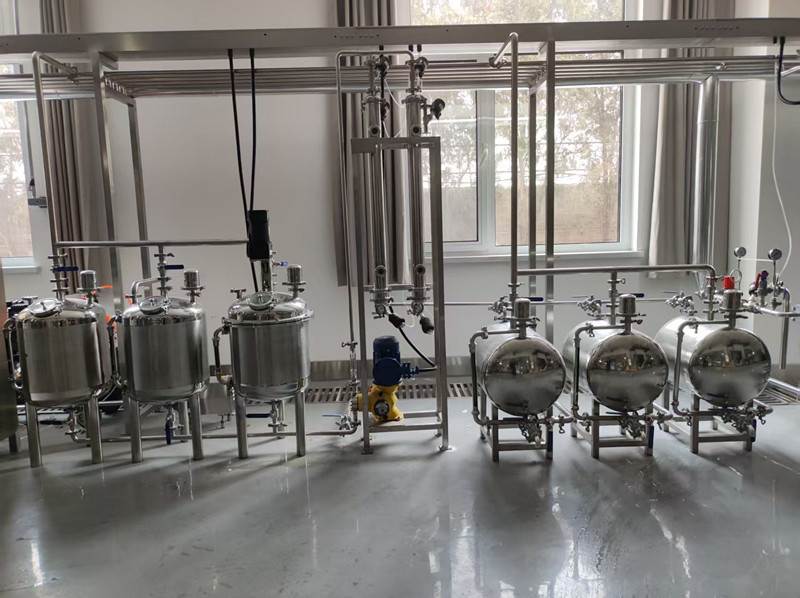
Equipment advantages
1. Efficiency and yield improvement
The extraction rate increased by 20% -50%: for example, the content of rose essential oil phenylethanol increased by 1.8 times, and the release efficiency of rosemary eucalyptus oil alcohol significantly increased.
Time reduction: Rose petal extraction can be completed within 90 minutes (traditional distillation takes 4-6 hours).
Strong compatibility: Suitable for heat sensitive and hard to break materials such as lavender, mint, and Ganoderma spore oil.
2. Quality and environmental advantages
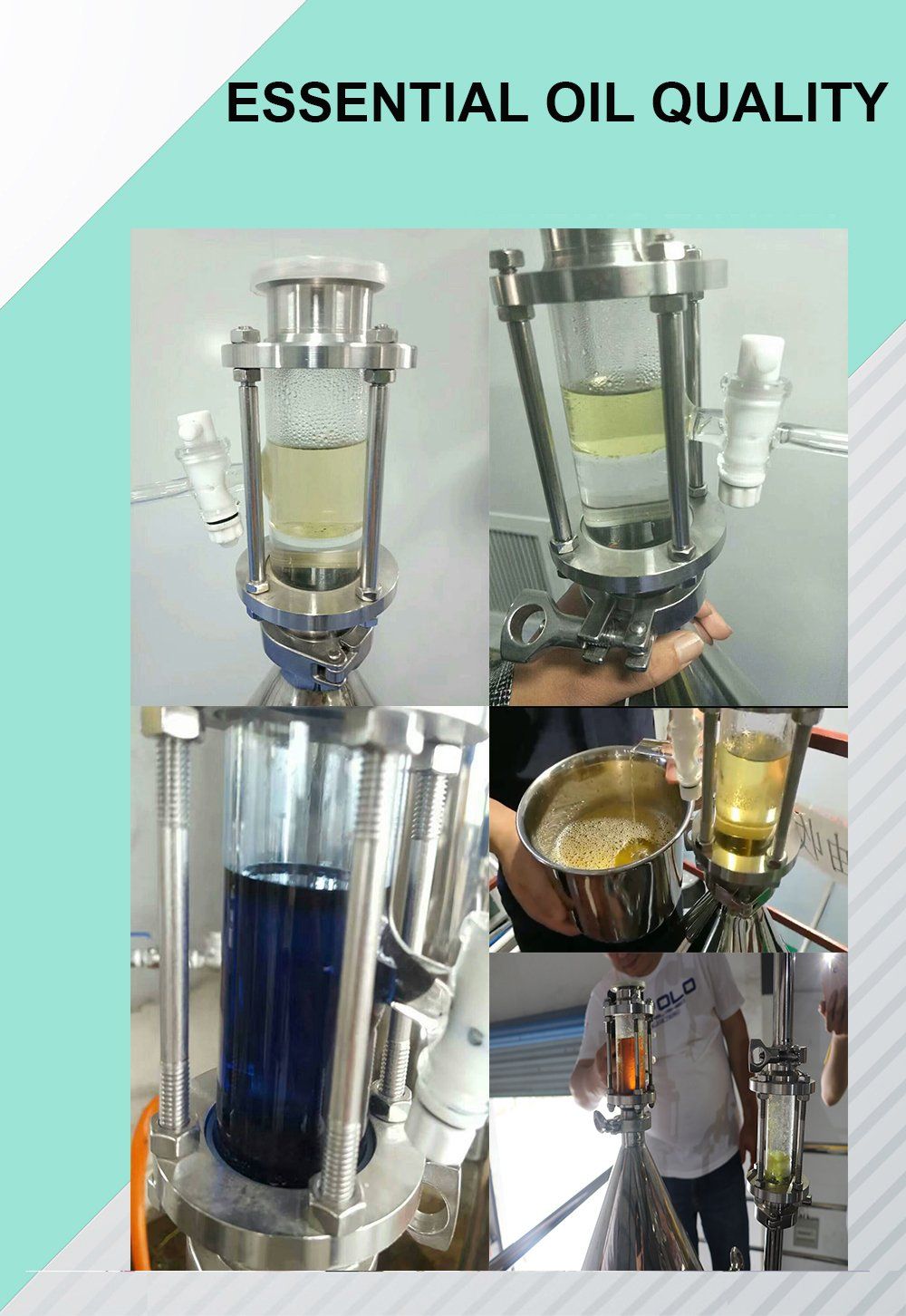
Component integrity: The retention rate of thermosensitive components such as alpha pinene is increased by 62%, and the aroma is closer to natural.
Solvent reduction: Closed loop system saves 30% -40% of solvent and reduces subsequent processing costs.
Zero chemical residue: No need for organic solvents such as petroleum ether, in compliance with EU RoHS and FDA standards.
3. Intelligence and Scalability
Dynamic frequency conversion technology: 20-80kHz automatic matching of raw material characteristics (e.g. low-frequency processing of stems, high-frequency pulse processing of petals).
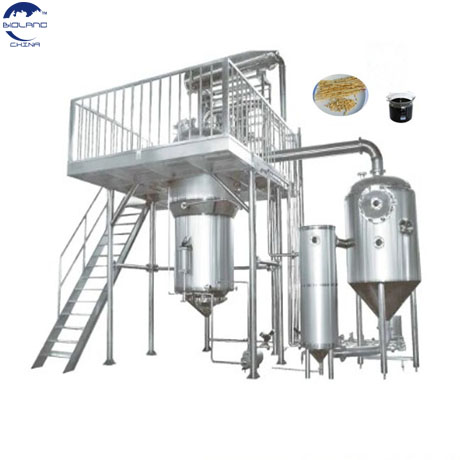
Modular design: covering laboratory level (0.5-50L) to industrial level (100-5000L capacity), supporting customized production lines.
4. Significant economic benefits
Reduce energy consumption by 30% -50%: Compared to steam distillation, it saves energy costs annually
Low maintenance cost: 316L stainless steel material is corrosion-resistant and has a lifespan of over 10 years; Self cleaning system reduces downtime
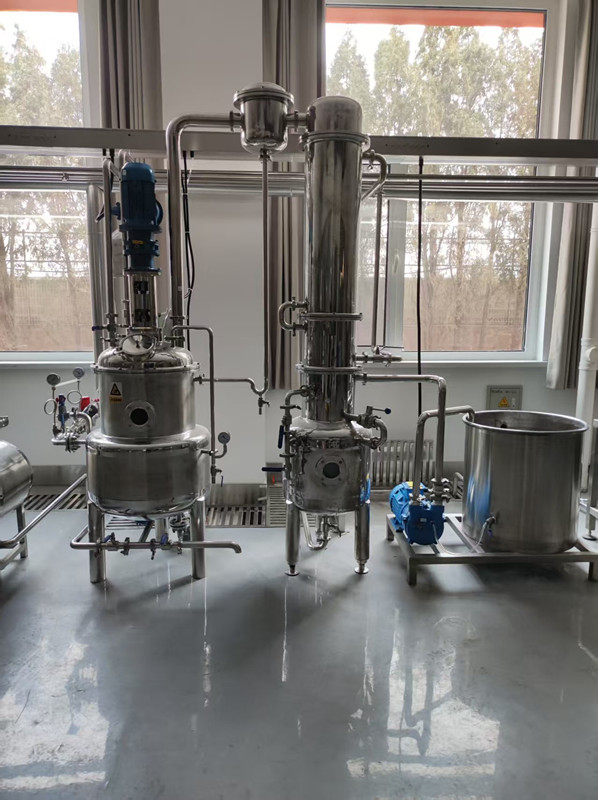
Typical application scenarios
High end cosmetics: instant extraction of fresh active ingredients (such as customized fresh facial mask).
Pharmaceutical industry: Low temperature extraction of CBD oil (purity>99%) and active ingredients in traditional Chinese medicine (such as mugwort essential oil and flavonoids).
Food additive: Tea polyphenol extraction (purity 95%+, caffeine residue<0.1%)
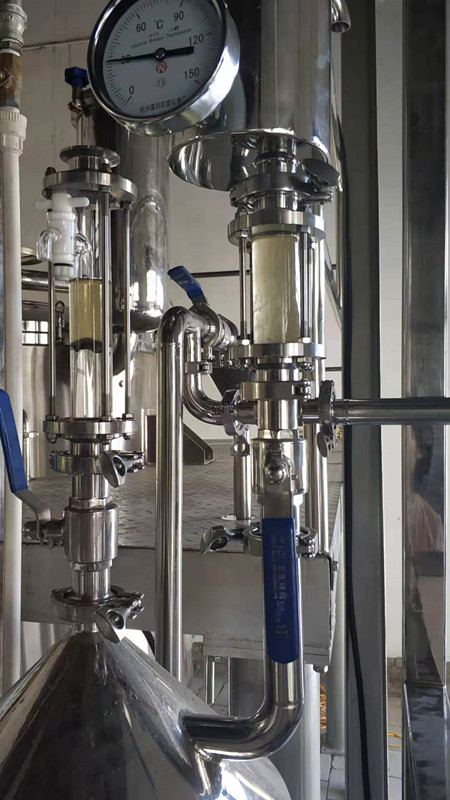
Ultrasonic essential oil extraction equipment has evolved from laboratory technology to a mature solution covering the entire chain of research and development, pilot testing, and mass production. Its core value lies in
Efficiency leap: extraction time reduced to 1/5-1/3 of traditional methods, yield increased by 20-50%;
Quality assurance: Low temperature control (35-55 ℃) significantly improves the retention rate of thermosensitive components (phenylethanol, linalool);
Green compliance: Reduce solvent usage by over 40%, with no organic residues, in compliance with GMP and international pharmacopoeia standards;
Intelligent adaptation: AI dynamic frequency modulation, near-infrared real-time analysis, PLC fully automatic control, achieving "one machine adapted to multiple raw materials
Consultation