


- Home
- >
- Products
- >
- Extraction
- Ultrasonic assisted Extraction Equipment
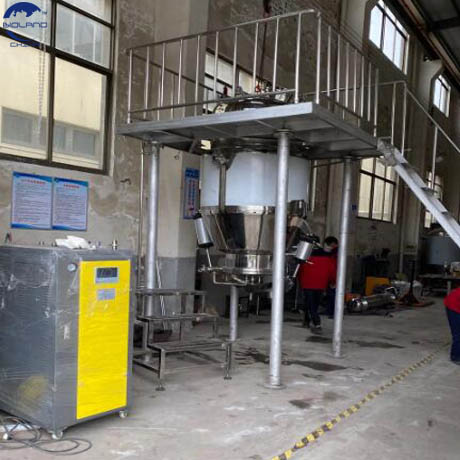
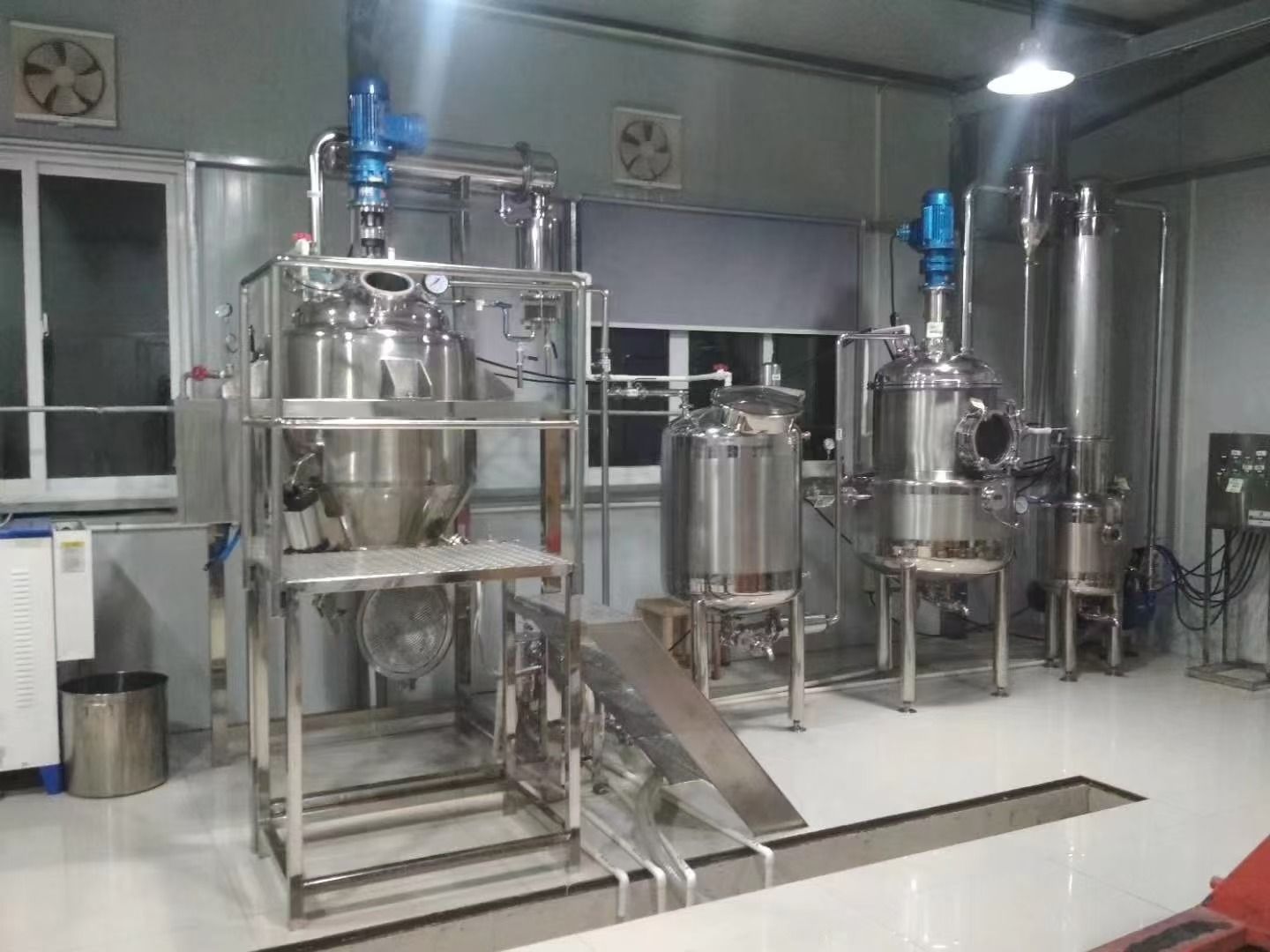
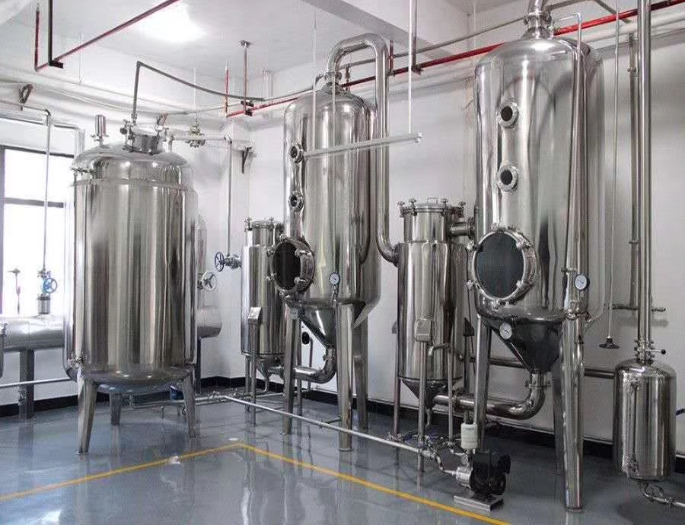
ultrasonic assisted extraction of polysaccharides
ultrasonic assisted extraction,ultrasonic-assisted extraction of polysaccharides,Ultrasonic-assisted extraction (UAE)
ultrasonic assisted extraction of polysaccharides,Ultrasonic assisted extraction of mulberry leaf
Product Detail
Equipment Introduction
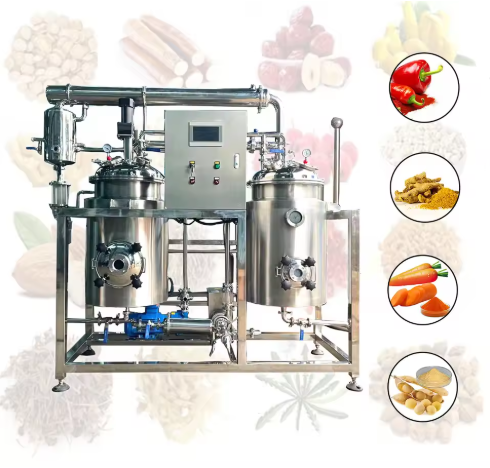
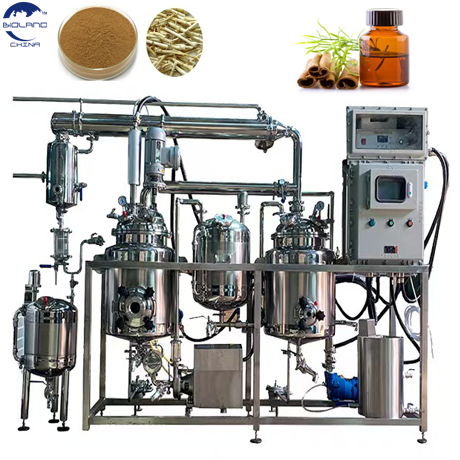
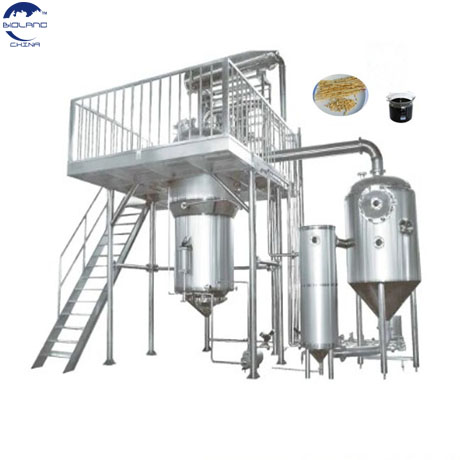
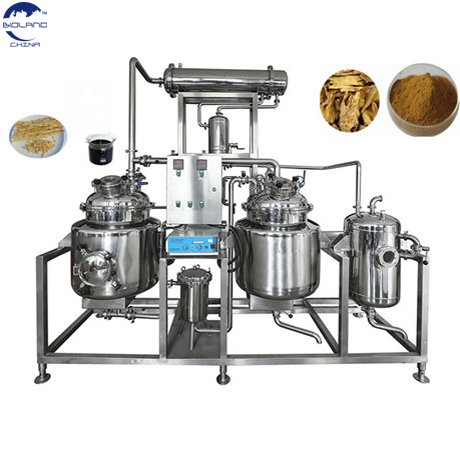
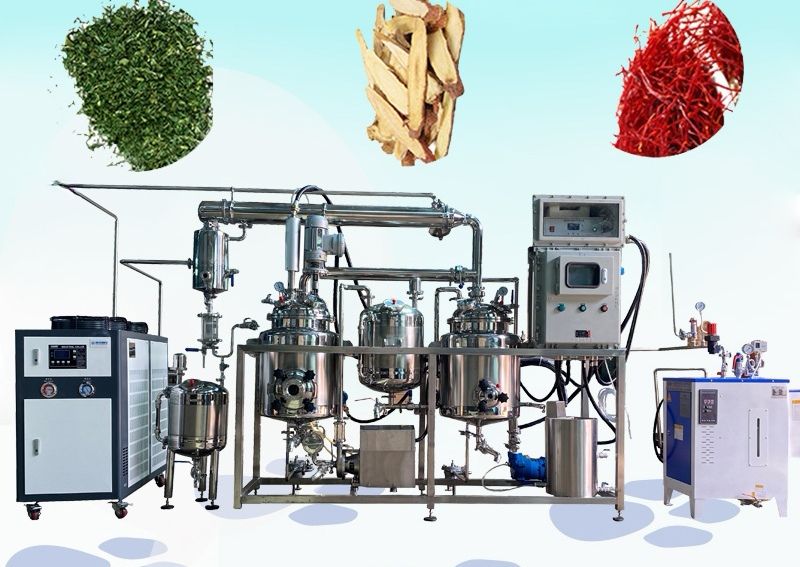
Ultrasonic Assisted Extraction (UAE) is a device that utilizes high-frequency ultrasound (usually 20 kHz – 100 kHz) to enhance the extraction process. It is widely used for the separation and purification of natural products such as polysaccharides, pigments, alkaloids, and oils. Its core advantages lie in improving extraction efficiency, reducing solvent consumption, and shortening extraction time, making it suitable for industries such as food, medicine, and cosmetics.
Typical applications:
Extraction of plant active ingredients (such as soybean polysaccharides, Sichuan pepper seed oil, and red rice pigments)
Enrichment of active ingredients in traditional Chinese medicine (such as Sophora flavescens alkaloids)
Ultrasonic Assisted Extraction (UAE) is a device that utilizes high-frequency ultrasound (usually 20 kHz – 100 kHz) to enhance the extraction process. It is widely used for the separation and purification of natural products such as polysaccharides, pigments, alkaloids, and oils. Its core advantages lie in improving extraction efficiency, reducing solvent consumption, and shortening extraction time, making it suitable for industries such as food, medicine, and cosmetics.
Typical applications:
Extraction of plant active ingredients (such as soybean polysaccharides, Sichuan pepper seed oil, and red rice pigments)
Enrichment of active ingredients in traditional Chinese medicine (such as Sophora flavescens alkaloids)
High value-added oil separation (such as goji berry seed oil)
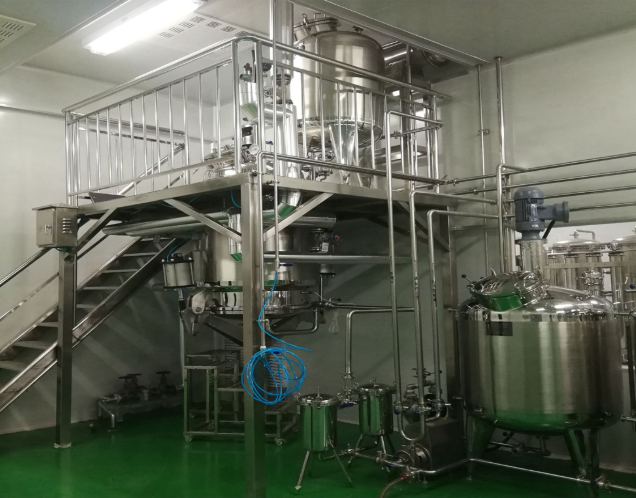
Device Configuration
1. Core system
Ultrasonic generator: converts electrical energy into high-frequency mechanical vibration, with a power range of 500 W-4kW (industrial grade).
Transducer: Piezoelectric ceramic component, fixed at the bottom of the extraction tank or immersed probe, with adjustable frequency (20-100 kHz).
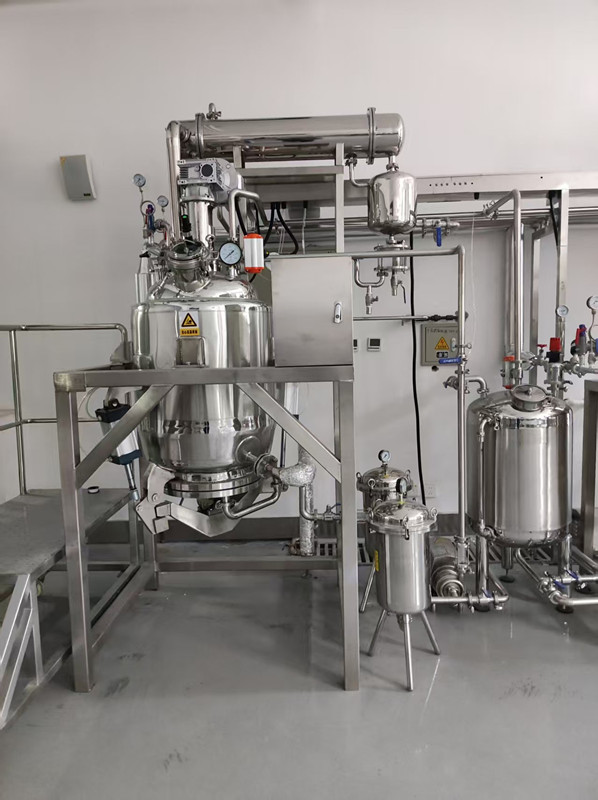
Extraction kettle: made of corrosion-resistant material (such as 316L stainless steel), equipped with a temperature control jacket (with an accuracy of ± 1 ℃).
2. Auxiliary unit
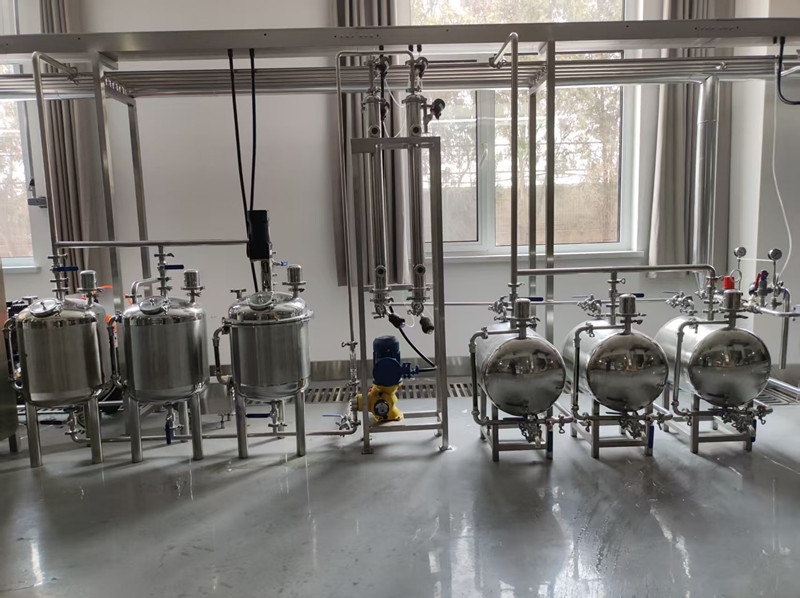
Solvent circulation system: achieve dynamic extraction, such as the recycling of ethanol water mixed solvents.
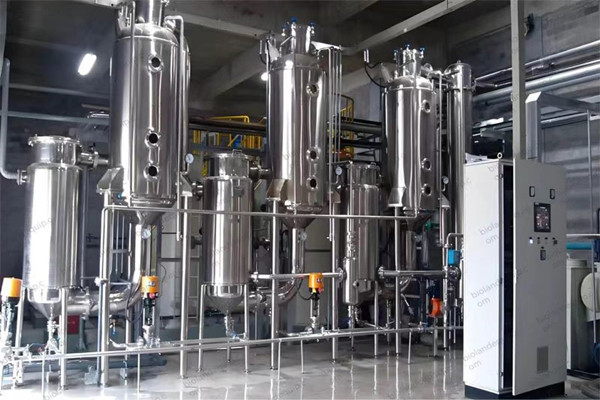
Filtering and concentration module: Use a centrifuge (≥ 4000 rpm) to separate residue 3, and concentrate the filtrate using a vacuum evaporator.
Automation control: PLC integrated panel, adjusting parameters such as power, time, temperature, etc.
3. High end configuration examples
Microwave ultrasound ultraviolet synergistic system: Multi energy field coupling improves extraction efficiency (such as tea saponin extraction rate reaching 94.28%).
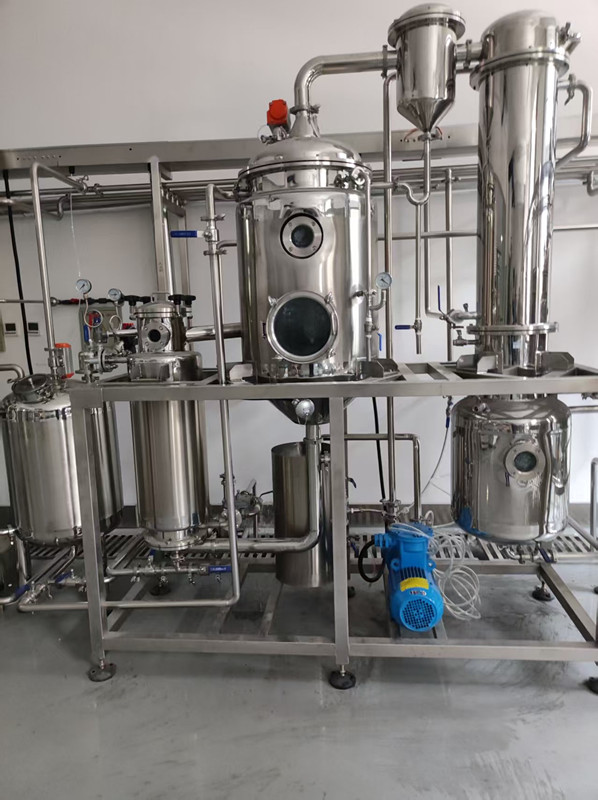
working principle
1. Core mechanism: Cavitation Effect
Ultrasonic waves generate high-frequency vibrations in liquids, creating a microenvironment where local high and low pressures alternate. When the negative pressure phase of sound waves exceeds the intermolecular forces of liquid molecules, micro scale cavitation bubbles are generated; The cavitation bubble collapses instantly in the positive pressure phase, releasing enormous energy (local temperature can reach 5000 K, pressure exceeds 1000 atm), causing the following effects:
Cell wall fragmentation: The cavitation impact force destroys the structure of plant cells and accelerates the release of intracellular components.
Mass transfer enhancement: Micro jet and turbulence enhance solvent permeation and shorten diffusion paths.
Chemical reaction promotion: The generation of free radicals (such as H ₂ O ₂) can assist in oxidation or degradation reactions.
2. Auxiliary mechanism
Thermal effect: Sound energy is converted into heat energy, which increases the temperature of the system (temperature control is required to avoid component denaturation).
Mechanical vibration: High frequency shear force reduces solvent viscosity and improves mixing efficiency.
3. Impact of key parameters
Power and frequency: The higher the power (such as 200-400 W) and the lower the frequency (25-40 kHz), the greater the cavitation intensity, but the material tolerance needs to be balanced. Industrial ultrasonic cleaning machine
Time and temperature: Prolonged exposure may lead to deactivation of thermosensitive components (such as red rice pigment limited to 50 min5)
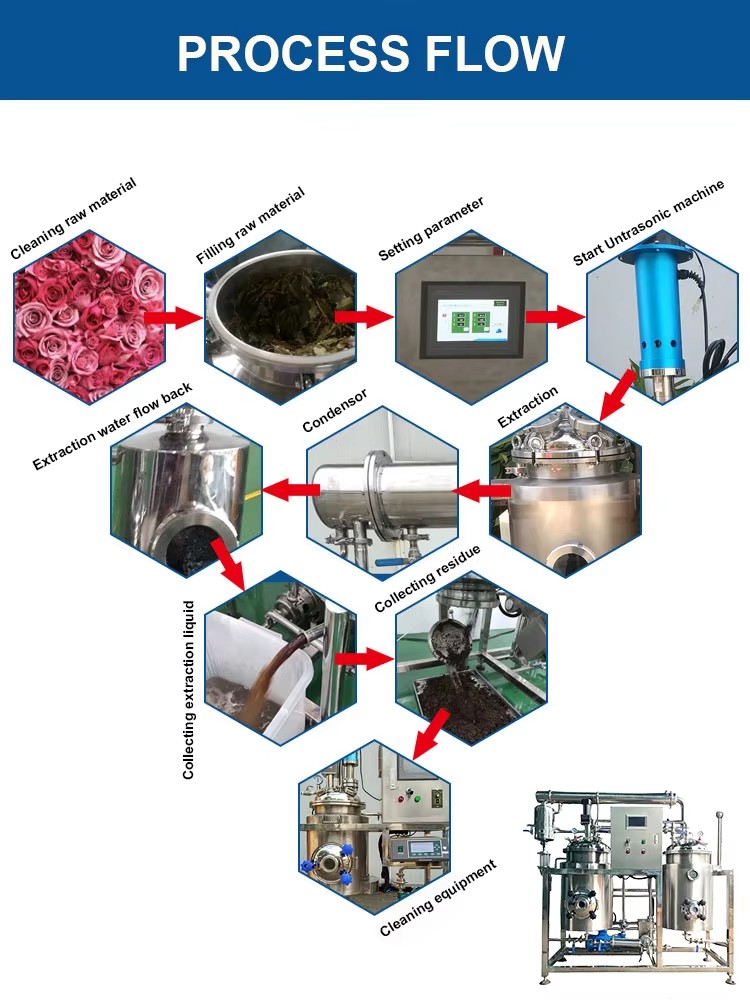
technical advantage
1) Revolutionary improvement in extraction efficiency
Cavitation effect breaking through walls: High frequency ultrasound (20-80kHz) generates microbubbles in the solvent, instantly releasing high temperature (≈ 5000K) and high pressure (≈ 1000atm), completely shattering the plant cell wall, increasing the dissolution rate of active ingredients (such as polysaccharides and flavonoids) by 50% -300%.
Dynamic countercurrent extraction: The material and solvent flow in reverse to form a concentration gradient, reducing the extraction time to 30-60 minutes (traditional methods require 6-8 hours). The extraction rate of ginsenosides can reach 98.7%.
2) Low temperature protection thermal sensitive components
The temperature throughout the process is controlled at 20-80 ℃ (under vacuum environment) to avoid high temperature damage to active substances such as volatile oils and alkaloids. For example, in the production of Astragaloside IV injection, impurities are reduced by 55%, and the retention rate of active ingredients is ≥ 97%.
3) Dual optimization of energy consumption and environmental protection
Ultrasonic waves can directly act on molecular bonds, saving 60% energy compared to traditional water decoction methods (electricity consumption per ton of medicinal materials ≤ 85kWh);
The closed system is combined with three-stage condensation recovery, and the recovery rate of organic solvents (such as ethanol) is ≥ 99.8%. The residual solubility is less than 10 times the international standard
Selection and operation suggestions
Material adaptability:
Porous materials (such as soybean residue) are suitable for low-power long-term extraction; Dense tissues (such as seeds) require high-power short-term treatment.
Solvent selection:
Polar components (such as flavonoids) should be used in an ethanol water system; Non polar oils are suitable for n-hexane or petroleum ether.
Security protection:
The equipment needs to be sealed and explosion-proof to avoid ultrasonic induced H ₂ O ₂ corrosion of sensitive materials
Industry application scenarios
1) Pharmaceutical and Bioengineering
Modernization of Traditional Chinese Medicine: The dissolution rate of active ingredients in the Liuwei Dihuang Wan compound preparation has increased by 35%, and the alcohol precipitation process time has been shortened by 40%.
Injection raw materials: The synthesis reaction time of ibuprofen intermediate has been shortened from 12 hours to 4 hours, and the yield has been increased to 91%.
2) Food and Health Products
Natural pigment extraction: The extraction rate of red rice pigments (anthocyanins) reached 16.66% (detected at 535nm wavelength);
Enrichment of functional components: The extraction rate of crude polysaccharides from black fungus was 28.03% (optimized material to liquid ratio of 1:47, extracted at 43 ℃).
3) Cosmetics and Spices
Plant essential oils: The recovery rate of aromatic oils has been increased by 30%, making them suitable for low-temperature extraction of essential oils such as roses and rosewood.
Environmental Protection and Resource Utilization
Waste utilization: The extraction rate of total flavonoids from pomegranate peel is 119.5mg/g (60% ethanol, 1:60 solid-liquid ratio), achieving high-value utilization of agricultural by-products.

Consultation