
- Home
- >
- Products
- >
- Extraction
- Ultrasonic assisted Extraction Equipment
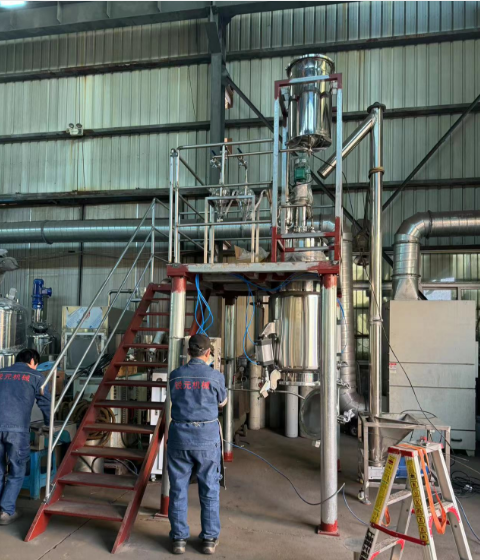
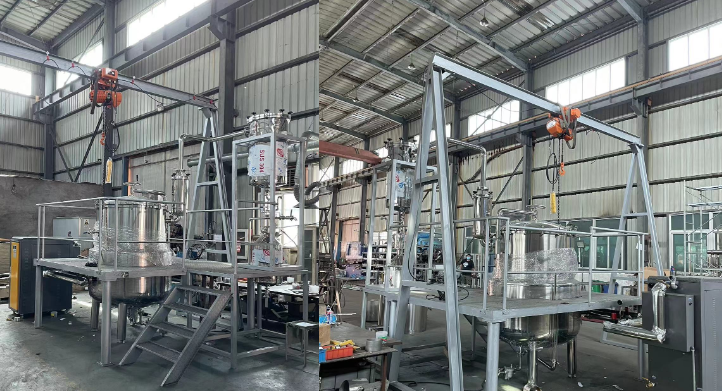
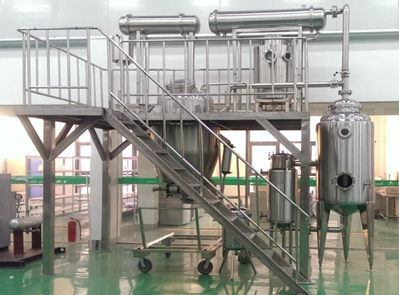
tea polyphenols extraction equipment
tea polyphenols extraction equipment
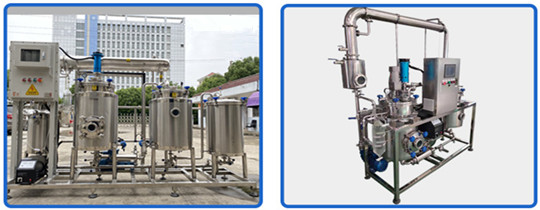
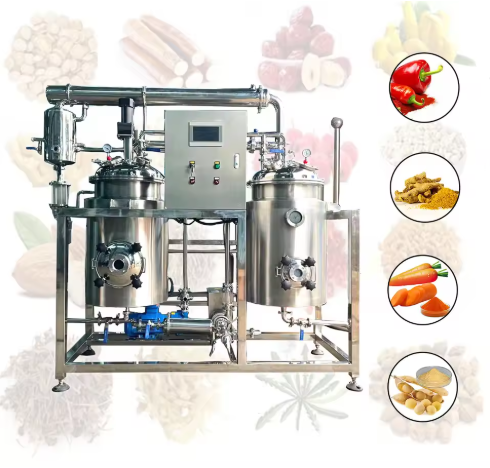
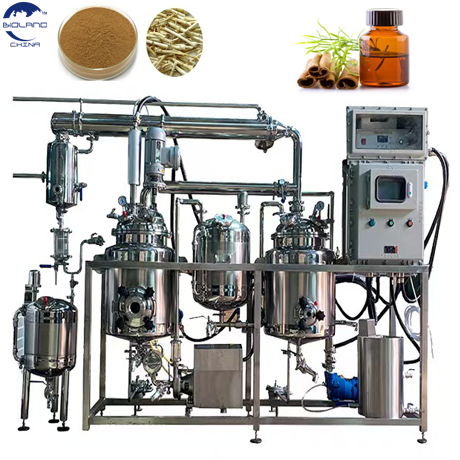
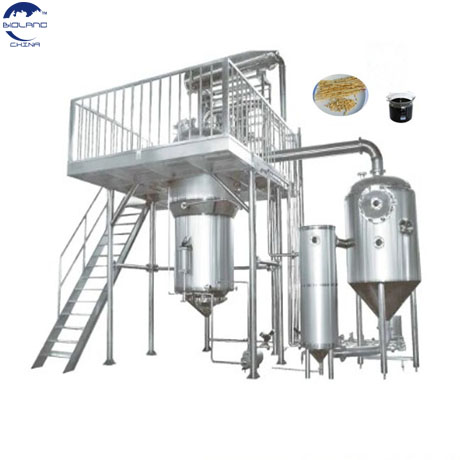
tea polyphenols extraction equipment for efficient extraction of tea polyphenols from tea leaves
Product Detail
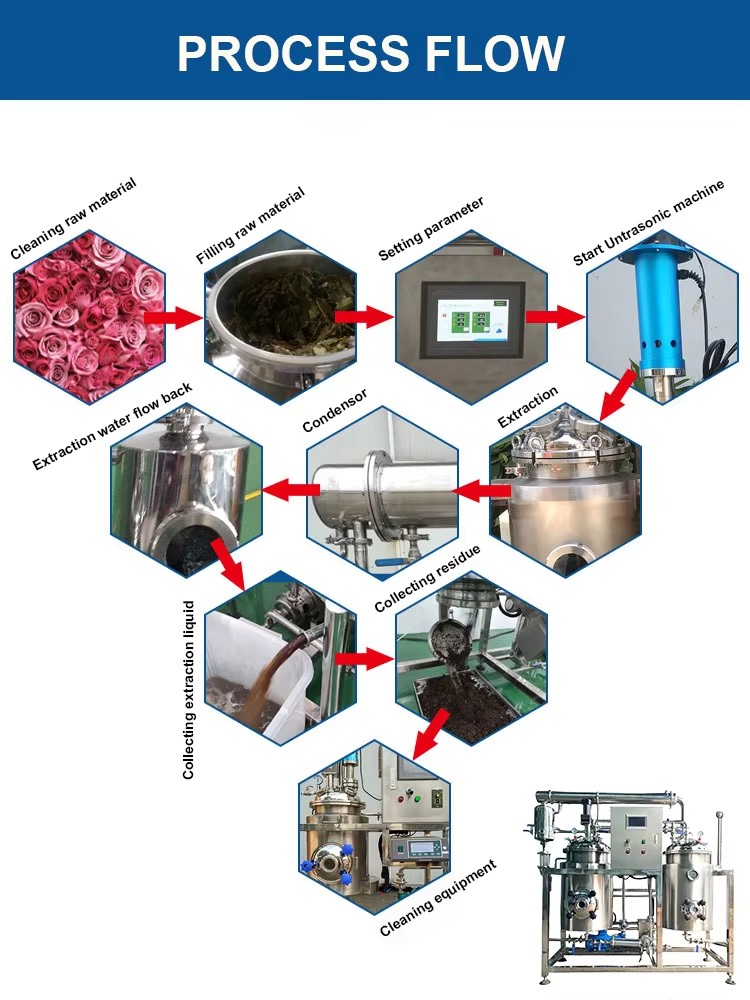
The tea extraction concentration process has been upgraded from traditional hot extraction to a multi-stage combined technology system. The core process is: raw material pretreatment → efficient extraction (such as dynamic countercurrent/ultrasound assistance) → membrane separation and purification → low-temperature concentration → drying and shaping. The combination of membrane separation and low-temperature concentration can maximize the retention of tea polyphenols EGCG、 Aroma components and other thermosensitive active substances
The goal of tea extraction technology is to efficiently and selectively dissolve target components (such as tea polyphenols, caffeine, theanine, EGCG) while avoiding thermal degradation, oxidation, and flavor loss. The traditional water extraction method has low efficiency and high impurities; Modern industrial production generally adopts a dual track path of "physically enhanced extraction+precision separation and concentration" to meet the demand for high value-added products such as instant tea, tea concentrate, and functional extracts
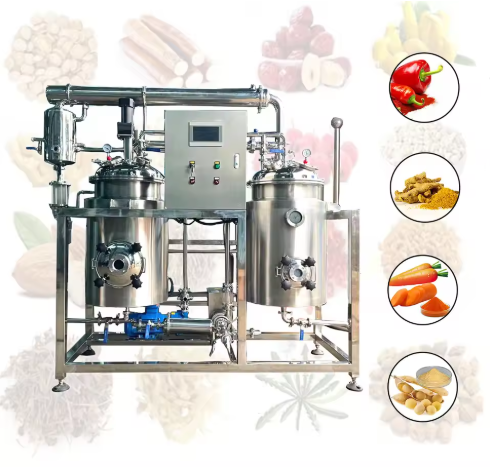
Process Technology
Extraction - dynamic countercurrent extraction, ultrasound/microwave-assisted extraction, increase extraction rate by 30-50%, shorten time, reduce solvent residue, countercurrent technology enables continuous solvent renewal, fast leaching speed, and high concentration;
Separation membrane filtration (microfiltration/ultrafiltration), centrifugal separation to remove colloids, proteins, and fine particles, improve clarity, and membrane separation can achieve solid-liquid separation at room temperature, avoiding thermal denaturation
Concentrate - Reverse Osmosis (RO), Nanofiltration (NF), Vacuum Low Temperature Evaporation, Steam Permeation Membrane Concentrate, saving over 50% energy and retaining over 95% of volatile aromas and thermosensitive components. Low Temperature Membrane Concentrate (<45 ℃) can fully preserve key flavor compounds such as EGCG and linalool
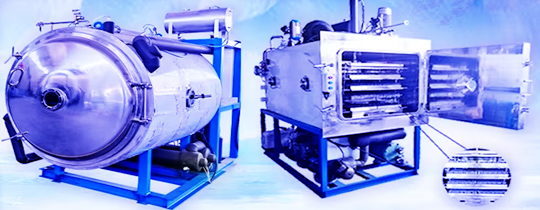
Drying - spray drying, freeze-drying, vacuum belt drying, controlling moisture ≤ 5%, maintaining solubility and color, freeze-drying is most suitable for highly active tea paste, but the cost is high; Spray drying is suitable for large-scale instant tea powder
Main extraction techniques and applicable scenarios
At present, in industrial production, the extraction of tea polyphenols has gradually upgraded from traditional solvent methods to an integrated technology route that is green, efficient, and low consumption.
The mainstream methods include:
Solvent extraction method: the most mature and widely used method, using water/ethanol as the initial extraction solvent, and then selectively extracting and purifying with ethyl acetate, but it has problems such as solvent residue, high energy consumption, and environmental pressure;
Membrane separation and concentration technology: Combining ultrafiltration (UF) and nanofiltration (NF), it can remove large molecular impurities at low temperatures, concentrate tea polyphenols, significantly improve yield and safety, and reuse water resources;
Hot reflux extraction+synchronous concentration: achieving "simultaneous extraction and concentration", shortening the cycle to 4-6 hours, with closed solvent circulation, and a recovery rate of over 95%;
Ultrasonic assisted extraction: utilizing cavitation effect to accelerate mass transfer, reducing extraction time to within 1 hour, avoiding high-temperature oxidation, and suitable for retaining thermosensitive components;
Centrifugal extraction technology: The equipment power consumption is only 10% -30% of traditional models, with high extraction efficiency and fast phase separation, suitable for fine separation of liquid-liquid and liquid-solid three-phase;
Adsorption resin chromatography: Operating at room temperature, without strong acids or bases, the resin is renewable and suitable for the co production of high-purity tea polyphenols and by-products (such as caffeine)
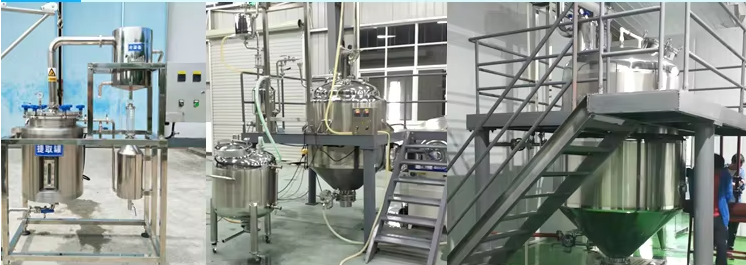
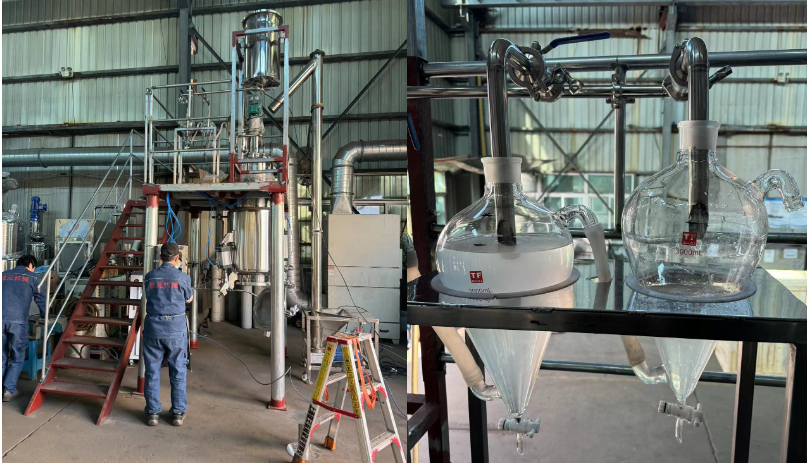
The principle of tea polyphenol extraction equipment
Tea polyphenols are highly polar natural polyphenolic substances (mainly catechins) that are easily soluble in polar or moderately polar solvents such as water, ethanol, acetone, and ethyl acetate, but difficult to dissolve in non-polar solvents such as chloroform and petroleum ether. Therefore, industrial extraction generally adopts the path of "water/alcohol extraction first → liquid-liquid distribution purification", and the key is:
Avoid oxidative degradation of active ingredients caused by high temperatures (tea polyphenols are thermosensitive substances);
Solve the problems of solvent residue, high toxicity, low yield, and high environmental pressure in traditional solvent methods;
Balancing extraction efficiency, purity, energy consumption, and safety compliance
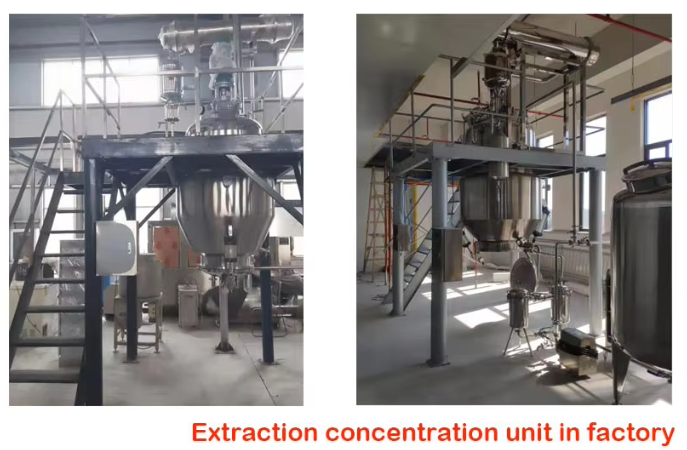
Typical production line actual results
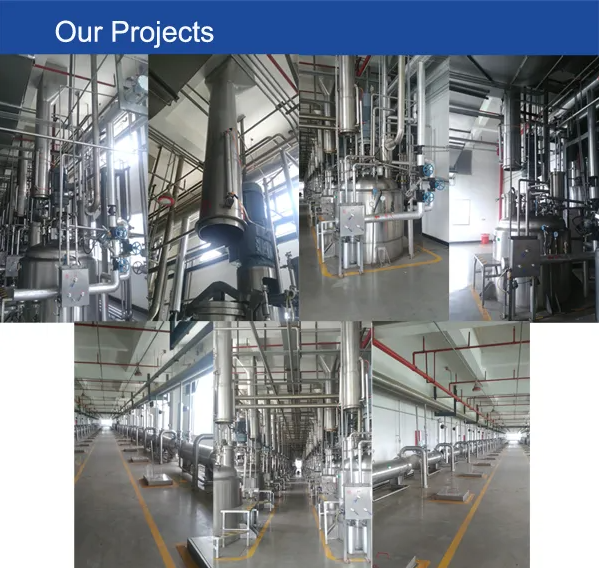
Taking the whole line scheme as an example, its application has covered the entire process of pretreatment → extraction → separation → concentration → drying:
Pre treatment section: equipped with a fast opening crusher and stainless steel cleaning tank to increase the specific surface area of tea leaves and improve extraction efficiency by more than 25%;
Core extraction process: The hot reflux tank supports switching between water/ethanol dual solvents, coupled with PLC precise temperature control (± 1 ℃), to ensure that the retention rate of catechin active ingredients is greater than 92%;
Purification process: ultrafiltration membrane+secondary resin adsorption combined to achieve tea polyphenols ≥ 98% and caffeine ≤ 1%, meeting the national first-class product standards;
Consultation