

- Home
- >
- Products
- >
- Extraction
- Ultrasonic assisted Extraction Equipment
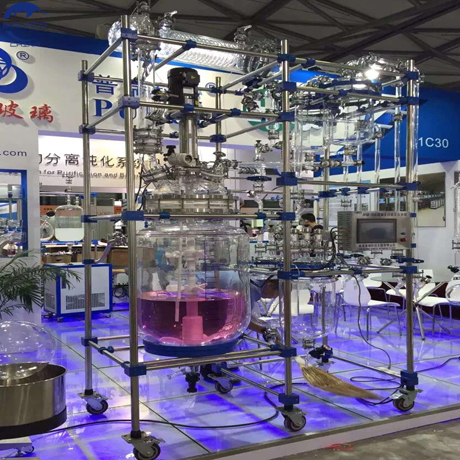
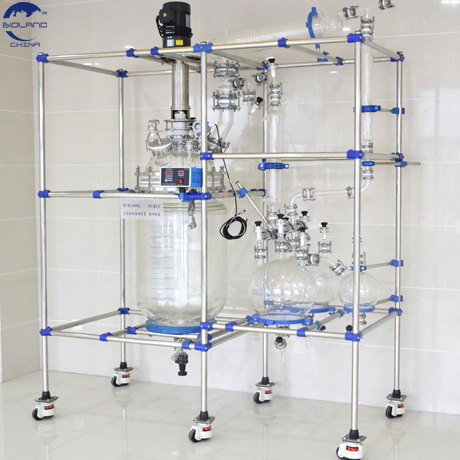
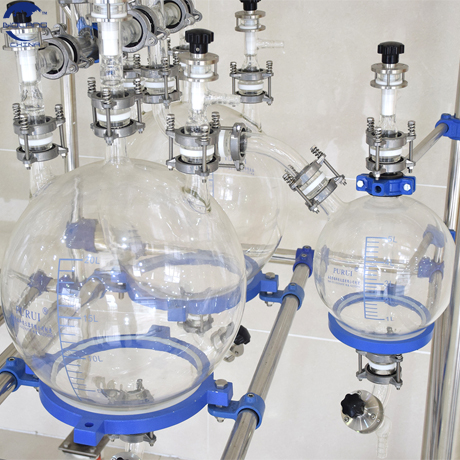
ultrasound assisted extraction machine
ultrasound assisted extraction machine
ultrasound assisted extraction machine
Product Detail
Ultrasound assisted extraction (UAE) utilizes the cavitation effect of ultrasound to generate microjets and shock waves on plant/microbial cell walls, instantly disrupting cell structure and accelerating the diffusion of target components (such as polyphenols, flavonoids, triterpenes, polysaccharides) into the solvent. This technology has been widely applied in the fields of food, pharmaceuticals, cosmetics, and natural product development, becoming a key equipment for upgrading green extraction processes.
The core selling point of UAE equipment is the trinity of "efficiency, green, and controllability" - compared to traditional extraction methods such as Soxhlet extraction and impregnation, it can shorten extraction time by 50-90%, reduce solvent usage by 30-70%, improve target ingredient yield by 20-40%, and operate at room/low temperature throughout the process, significantly protecting thermosensitive active substances
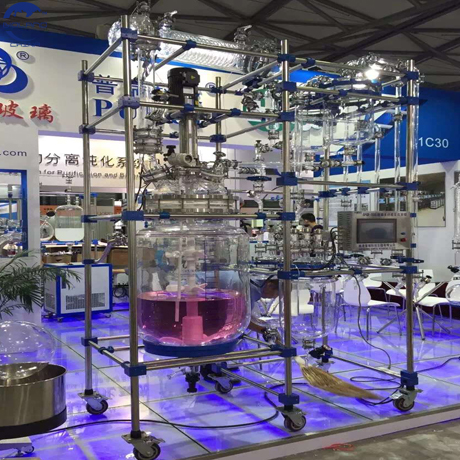
Equipment Introduction
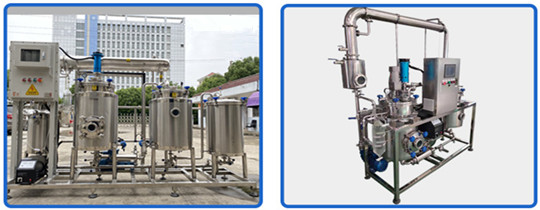
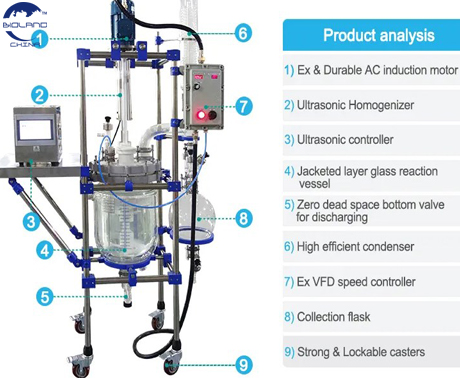
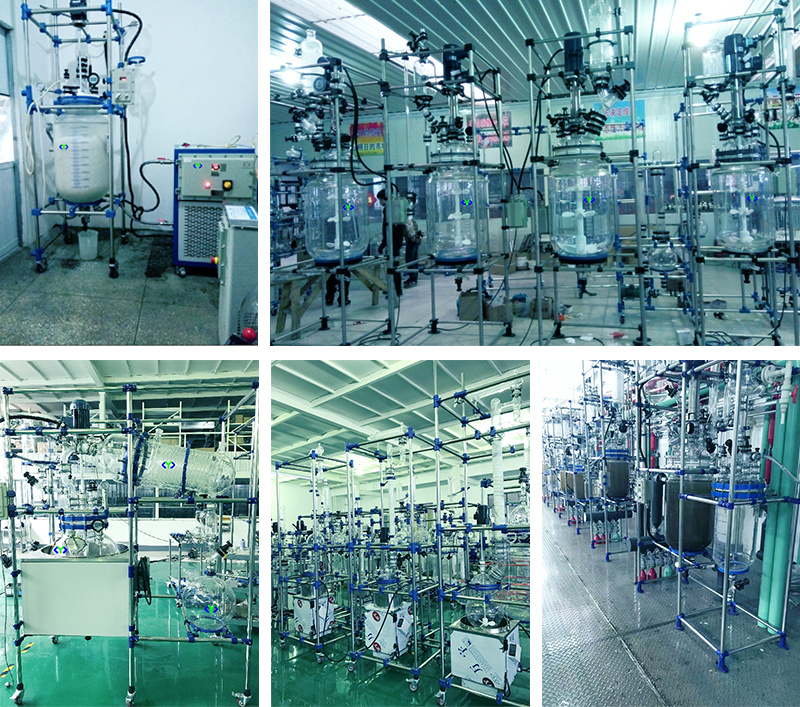
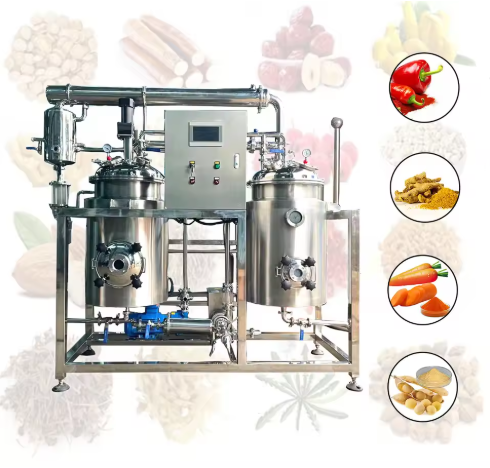
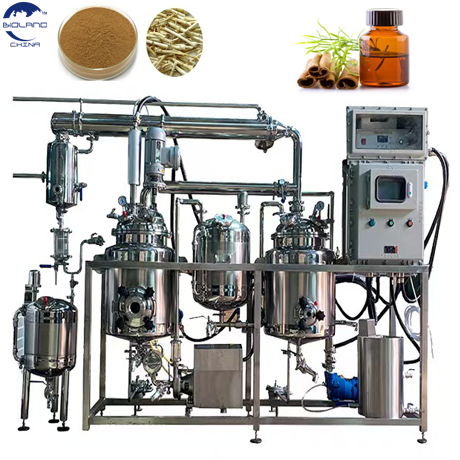
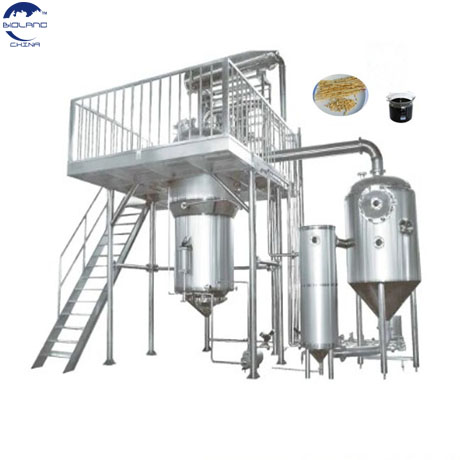
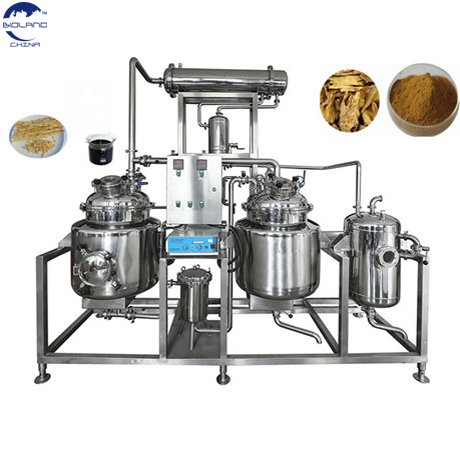
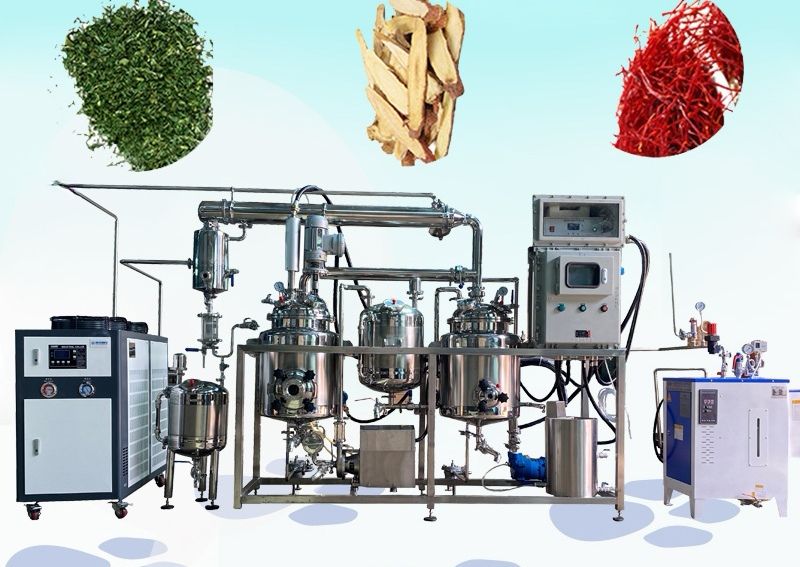
The ultrasound assisted extraction equipment mainly consists of the following core components:The ultrasonic generator
Convert electrical energy into high-frequency electrical signals (typically in the frequency range of 20 kHz – 2 MHz) to drive the transducer.
Transducers (Ultrasonic Probes)
Convert electrical signals into mechanical vibrations and transmit them to the solvent sample system through probes or reaction vessel walls.
Reactor/tank
The container for containing samples and solvents should be corrosion-resistant (such as stainless steel or glass material), and some equipment should be equipped with a temperature control system.
control system
Adjust parameters such as ultrasound power, frequency, temperature, and time, and some new devices integrate AI optimization modules (such as machine learning models).
Cavitation effect: Ultrasound generates microbubbles in liquid and ruptures, creating local high pressure (>1000 atm) and high temperature (>5000 K), damaging cell walls and accelerating component release.
Efficiency improvement: Compared to traditional extraction, UAE can shorten time by 50-70% and reduce solvent usage by 30-50%.
Extraction efficiency: Optimized extraction can be completed in 5-30 minutes (e.g. blackcurrant pomace: yield increased by 40% in 25 minutes)
Solvent consumption: Low toxicity/green solvents (such as NADES, ethanol water system) can be used, reducing the amount by 30-70%
Ingredient retention: Operating at room temperature/low temperature (20-60 ℃), effectively protecting thermosensitive substances such as anthocyanins and vitamin C
Process controllability: supports precise control of multiple parameters (power, frequency, temperature, time, solid-liquid ratio), and response surface methodology (RSM) can be used for modeling and optimization
Raw material adaptability: Strong penetration through difficult to handle substrates (such as fungal mycelium, lignified fruit residue, pine needles, etc.), high cell wall breaking rate
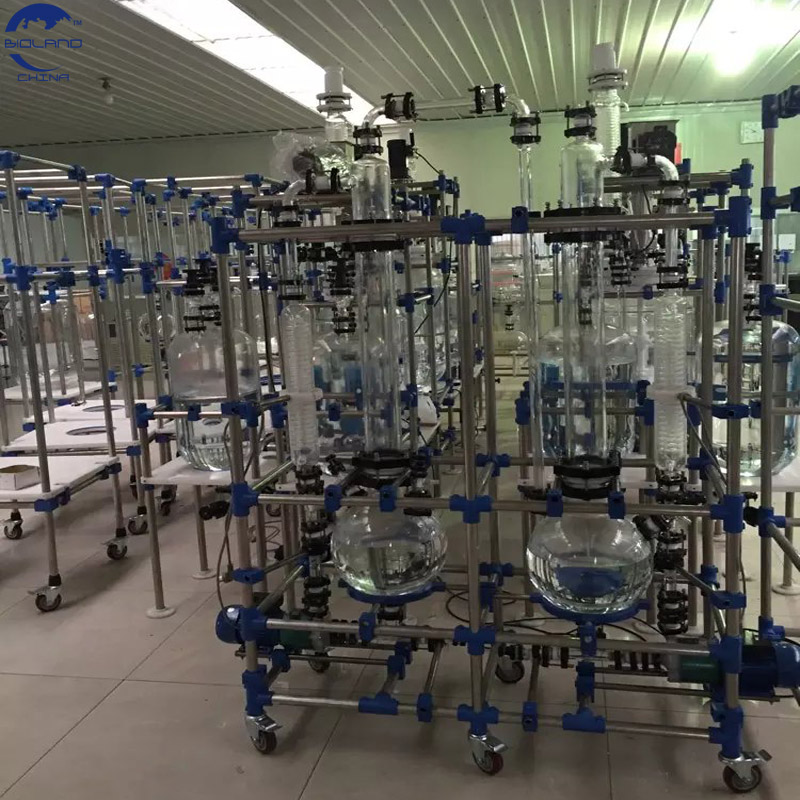
Extraction process flow
1. Preprocessing
Dry and crush the sample (if plant materials need to pass through a 20-60 mesh sieve) to increase the contact area.
2. Solvent selection
Select solvents (such as ethanol, water, mixed solvents) based on the polarity of the target component, with a commonly used concentration range of 30-80%.
Acidic solvents (such as 0.1% hydrochloric acid) are used to stabilize pH sensitive components such as anthocyanins.
3. Optimization of ultrasound parameters
Temperature: usually controlled at 30-70 ° C (thermosensitive components such as polyphenols need to be ≤ 60 ° C).
Power density: 0.1-1 W/cm ³, too high may lead to component degradation.
Time: 10-60 minutes, with most studies showing the highest release rate in the first 15 minutes.
Liquid solid ratio: 5:1-30:1 mL/g, affecting mass transfer efficiency.
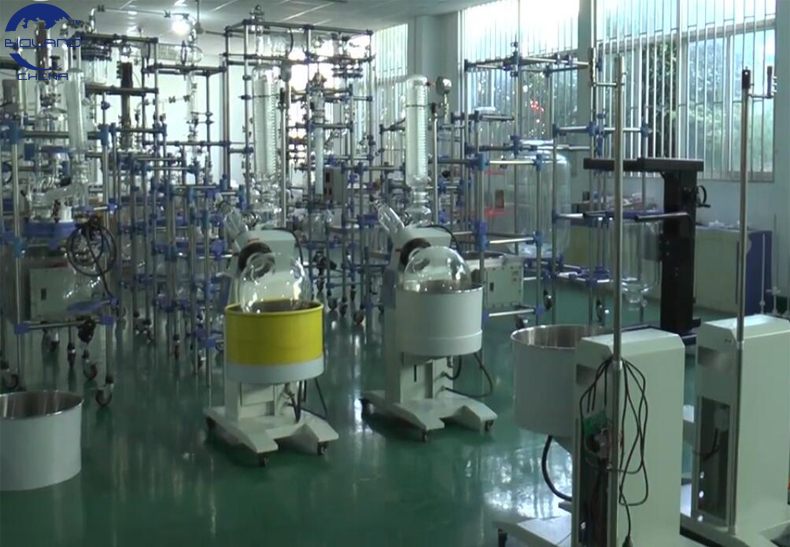
Application Fields
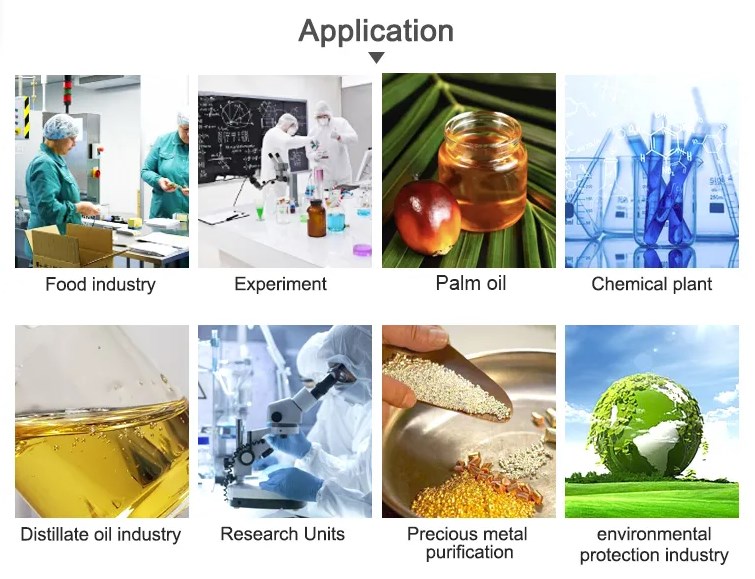
1. Food and agricultural product processing
Extraction of active ingredients:
Polyphenols (mango peel, longan residue), flavonoids (pine needles), saponins (wood whiskers).
Pectin (skin of prickly fruit lychee), oil (lacquer tree fruit).
Advantages: Increased antioxidant activity (such as a 20-40% increase in DPPH clearance rate).
2. Pharmaceuticals and natural medicines
Medicinal plant extraction:
Mushu polysaccharides (enhance immunity), birch bark birch wood alcohol (anti-cancer, anti-inflammatory).
Jinlianlian glycoside (UPLC quantification, extraction rate of 32.24%).
Process upgrade: Ultrasonic assisted enzymatic extraction of polysaccharides from windproof plants, resulting in a 30% increase in extraction rate.
3. Environment and Sustainable Technologies
High value utilization of waste:
Extracting polysaccharides/peptides from brewing residue and converting pine needle forestry waste into antioxidants.
Green solvent application: Low melting point solvents (DES) replace organic solvents.
4. Materials and Packaging
Intelligent packaging: Blackberry anthocyanins are used for PLA based pH indicator film.
5. Analytical Chemistry
Rapid pretreatment: DLLME combined with UAE for GC-MS analysis of lavender essential oil
Consultation