

- Home
- >
- Products
- >
- Extraction
- Ultrasonic assisted Extraction Equipment
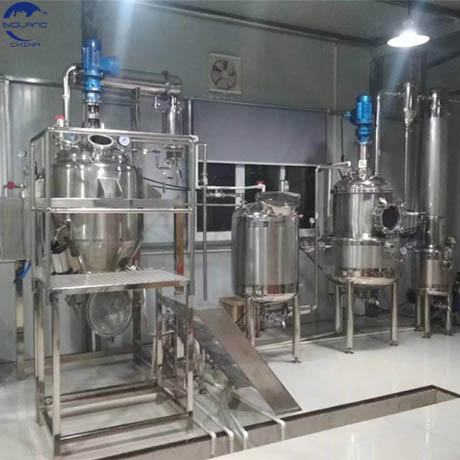
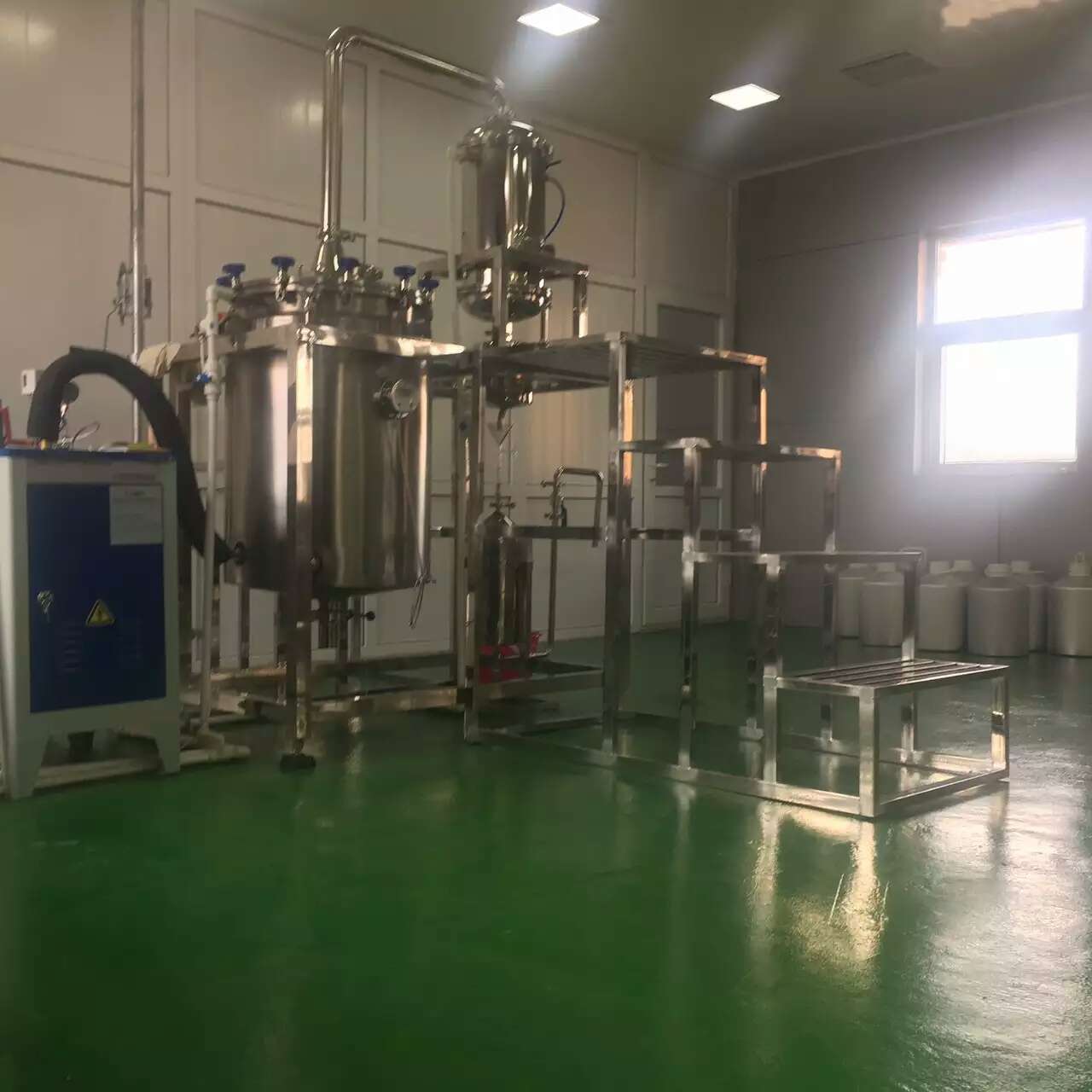
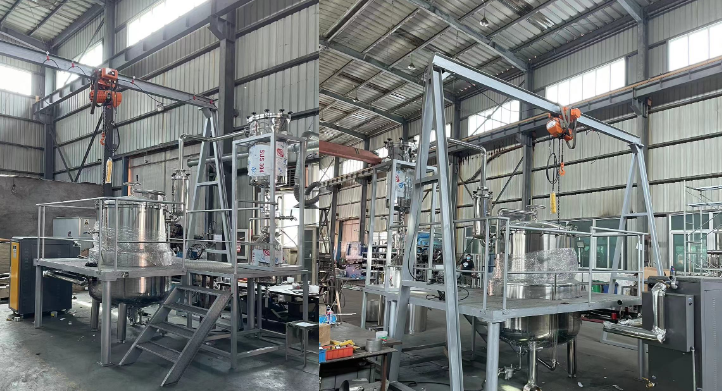
perfume extraction equipment
perfume extraction equipment,ultrasonic extraction equipment
perfume extraction equipment ,ultrasonic solvent extraction
Product Detail
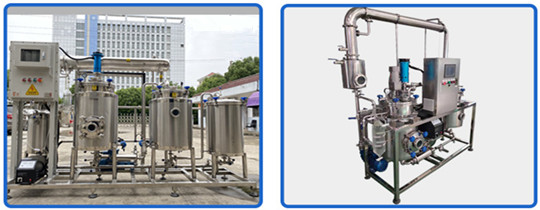
Solvent extraction is a physical separation process that utilizes the higher solubility of target components (such as terpenes and esters in rose essential oil) in specific organic solvents to transfer them from plant materials (petals, leaves, fruit peels, etc.) to the liquid phase, and then removes the solvent through distillation, freezing, or vacuum evaporation to obtain concentrated products (such as clean oil, paste). This method is widely used for industrial extraction of heat sensitive, low volatility, or trace amounts of precious spices such as jasmine and evening jasmine.
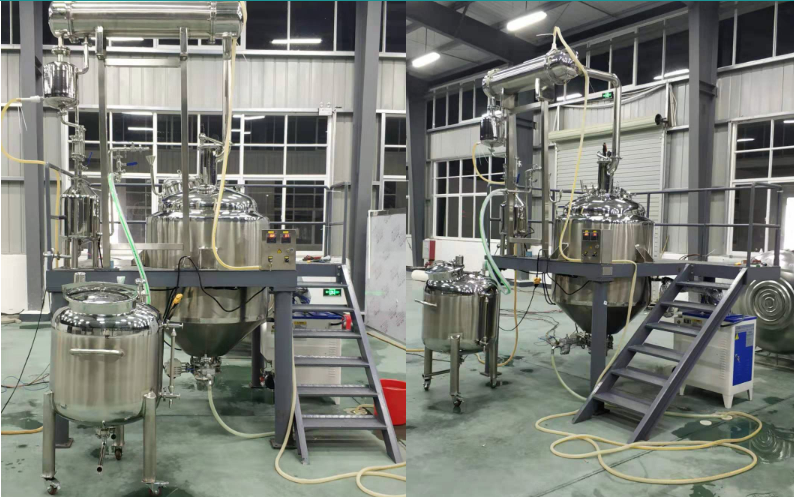
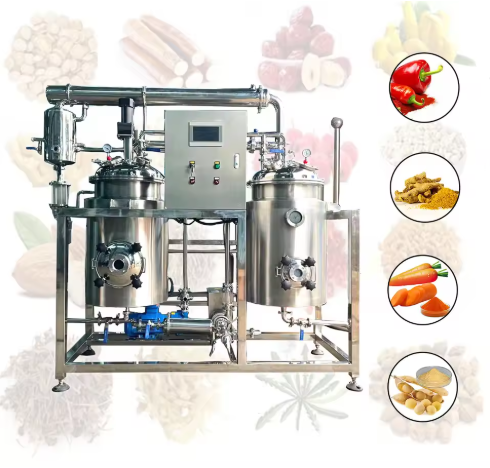
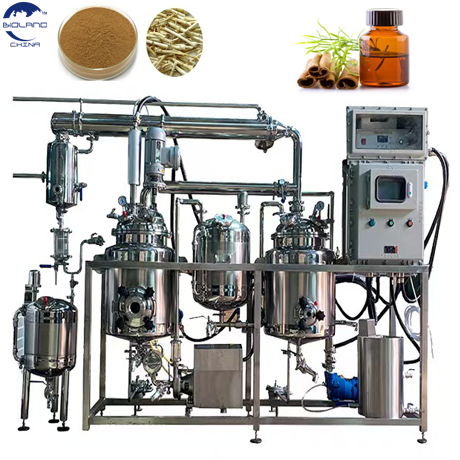
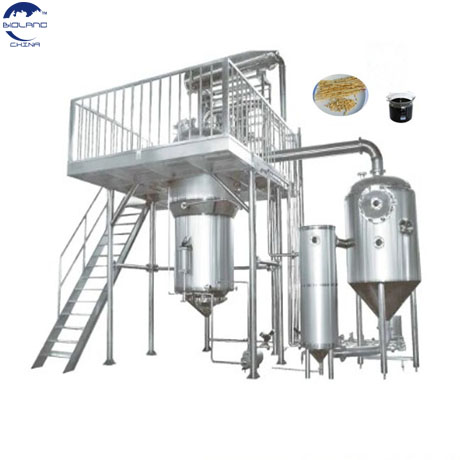
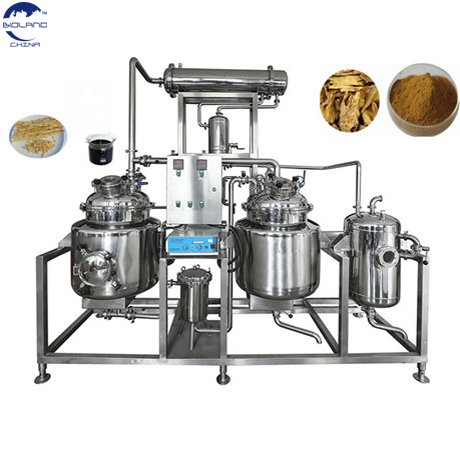
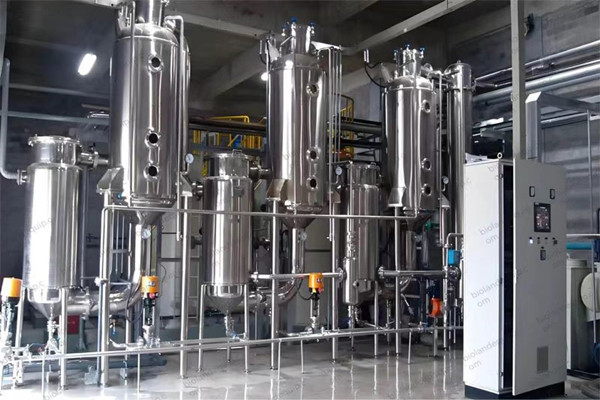
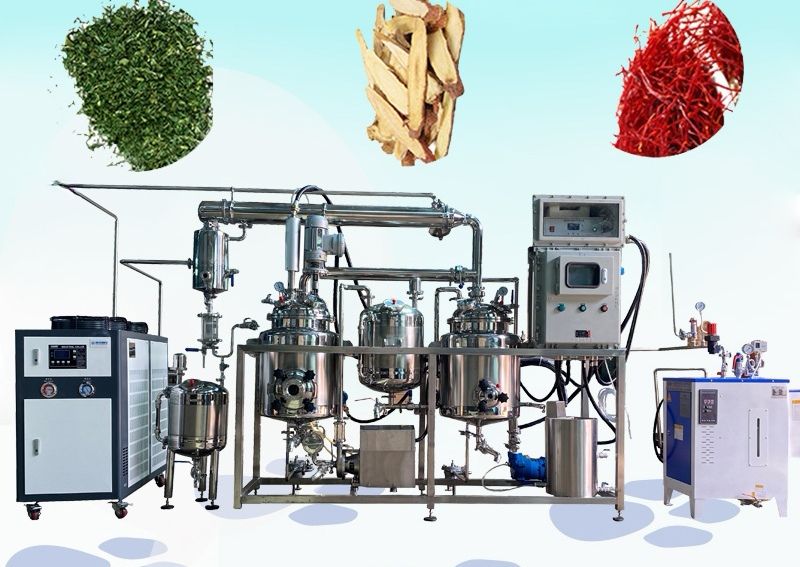
Solvent extraction is the mainstream mild extraction technology in the production of essence. The aromatic components are selectively dissolved by organic solvents, and then recovered and purified to obtain high fidelity essential oil or extract; Its core equipment includes extraction tanks, condensation recovery systems, and filtration/separation units
Technical Introduction
Solvent perfume extraction equipment is a core technology in the spice industry, suitable for extracting volatile, thermosensitive, and lipophilic components:Applicable raw materials: flowers, resin, seeds, etc.
Output product:
Concrete: a semi-solid containing wax and pigments;
Absolute: Pure essential oil after secondary alcohol extraction and dewaxing
perfume extraction equipment -Solvent extraction is a key technology that balances quality, yield, and process flexibility, especially suitable for high-value, heat sensitive fragrances; When selecting, priority should be given to solvent recovery rate, temperature control accuracy, and safety compliance design
Advantages Analysis
Compared to methods such as steam distillation and supercritical extraction, the core advantages of solvent extraction perfume equipment include:
1. High selectivity: It can accurately extract specific aroma molecules (such as large molecule esters and aldehydes) and preserve the complete aroma.
2. Adapt to thermosensitive ingredients: Avoid high-temperature damage during low-temperature operation (such as jasmine and evening jasmine).
3. High extraction rate: The recovery rate of low content aroma components (<0.1%) is significantly better than distillation method.
4. High degree of automation: Fully automated equipment achieves continuous production, reducing manual intervention.
5. Recyclable solvents: The recovery rate of solvents such as n-hexane is ≥ 98%, reducing costs and environmental impact
6.Preserving intact ingredients - it is easier to capture non-volatile lipid soluble aroma substances (such as rose wax and pigments) than distillation, resulting in a richer and more layered aroma;
7.Controllable process - temperature, time, and solvent types can be precisely adjusted to meet different fragrance requirements
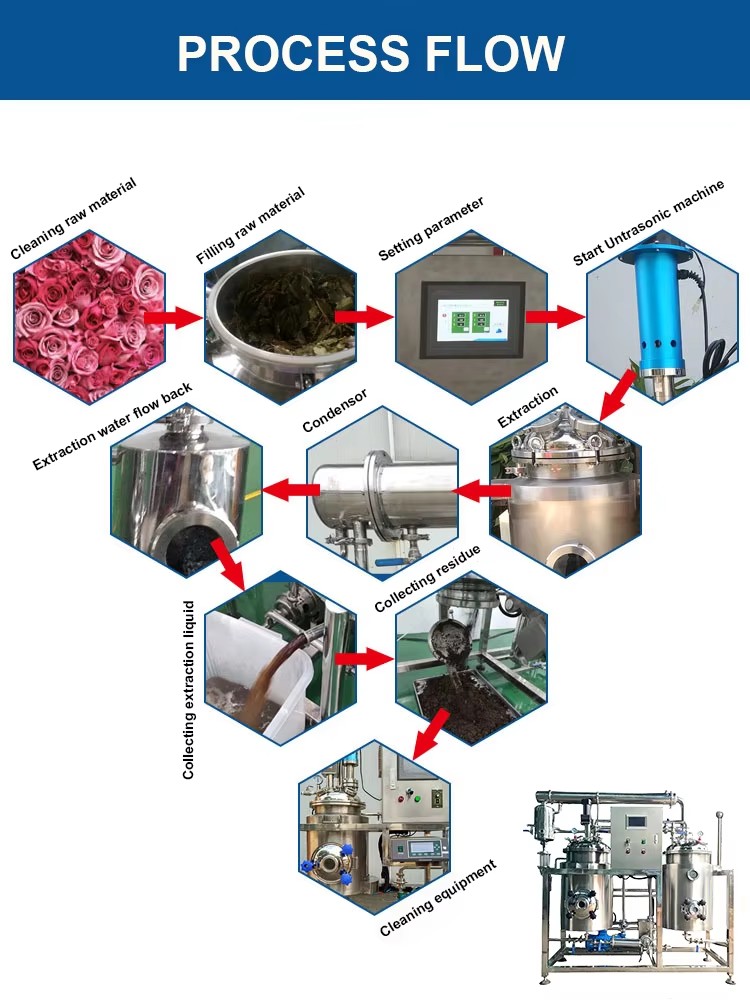
Solvent extraction process flow
Principle : Based on "similar solubility" and distribution equilibrium - the concentration of aromatic substances in organic phases (such as n-hexane, ethanol, petroleum ether) is much higher than that in aqueous or solid matrices.The solvent extraction method achieves separation by the difference in solubility of the target component in two immiscible solvents.
The typical process includes:
1. Raw material pretreatment
Spice plants (such as lavender and roses) are dried and crushed to increase the contact area.
2. Solvent extraction
Raw materials are mixed with organic solvents such as n-hexane and ethanol, and mass transfer is enhanced by stirring or ultrasound to dissolve aromatic components and lipophilic substances.
3. Solid liquid separation
Filter and remove the residue to obtain a solvent phase (paste) containing aromatic substances.
4. Solvent recovery
Vacuum distillation is used to recover the solvent and obtain crude extract (paste or clean oil).
5. Refining and purification
Further use of molecular distillation and chromatography to remove impurities and improve aroma purity.
Key process optimization points: temperature control (to avoid degradation of thermosensitive components), solvent selection (low toxicity, high selectivity), multi-stage countercurrent extraction (to improve efficiency)
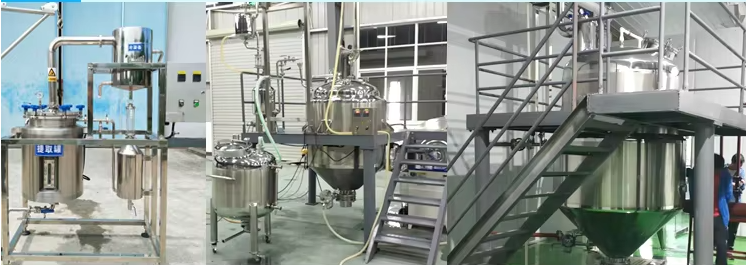
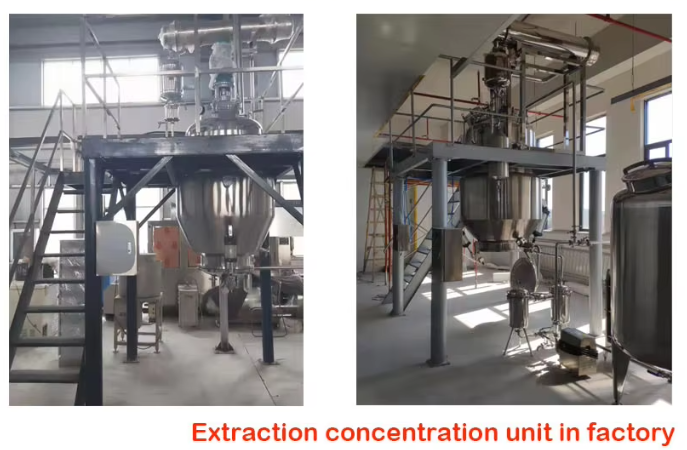
Typical application scenarios
High end floral fragrance oil extraction
Rose/jasmine is extracted with hexane and then dewaxed with ethanol to preserve its delicate floral aroma.
Purification of resin based fragrances
Extract frankincense and myrrh resin with ethanol to remove gum impurities.
Separation of synthetic spice precursors
Extract terpenes and alcohols (such as vanillin) from fermentation broth for the synthesis of rose ether.
scrap recycling
Extracting residual aroma from flower processing waste residue to reduce resource waste
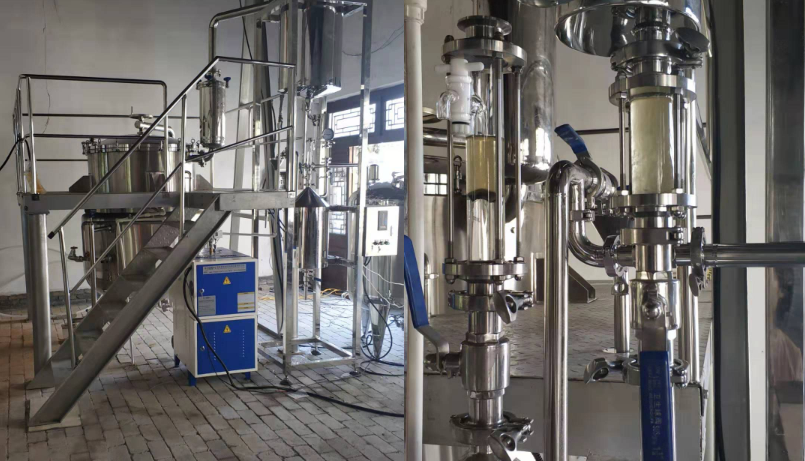
Consultation