



- Home
- >
- Products
- >
- Extraction
- Ultrasonic assisted Extraction Equipment
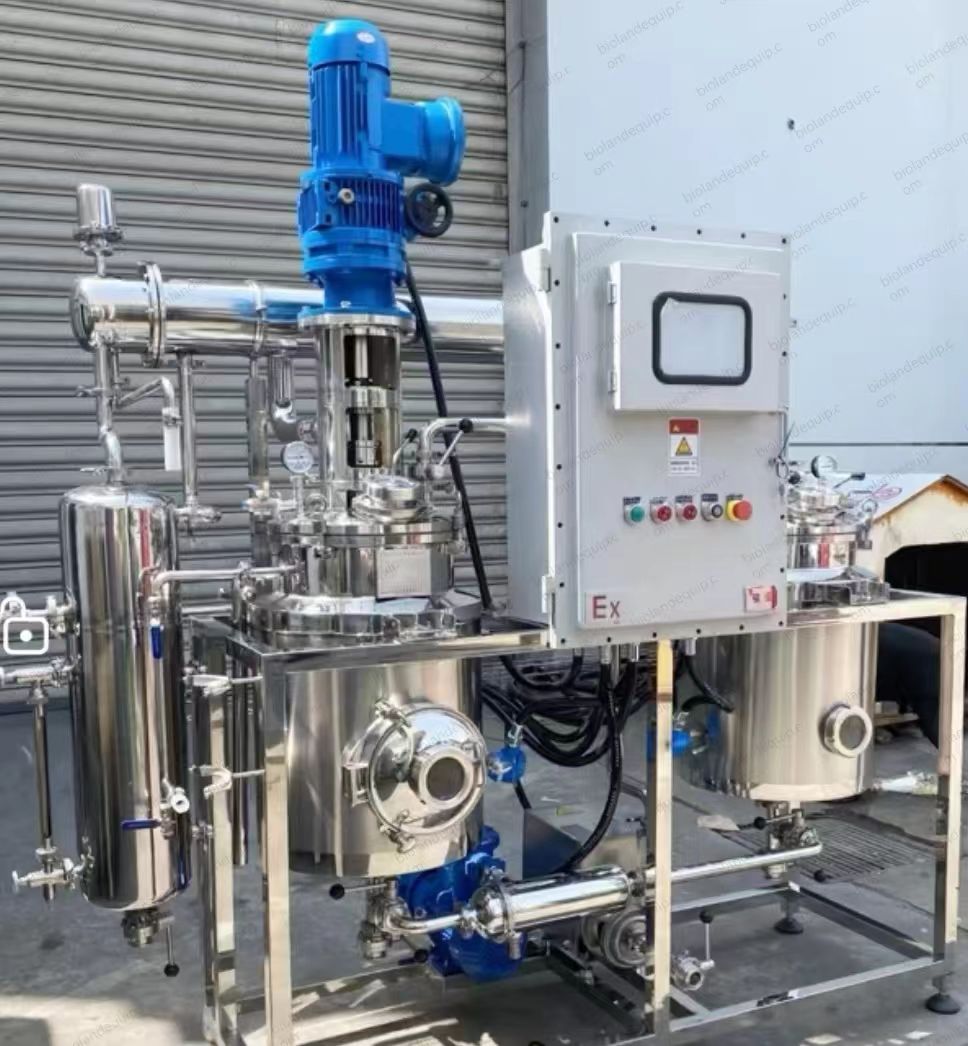
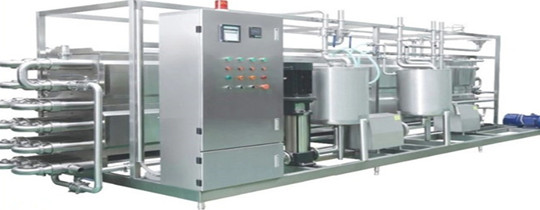
ultrasonic botanical extraction equipment
ultrasonic botanical extraction equipment
ultrasonic botanical extraction equipment -ultrasonic extraction unit manufacturers
Product Detail
Product Details
Ultrasonic Assisted Extraction (UAE) is an extraction technique that uses physical effects such as cavitation and mechanical vibration generated by ultrasound to accelerate the rupture of plant cell walls and promote the dissolution of active ingredients. This technology is widely used in fields such as traditional Chinese medicine, health products, and food.
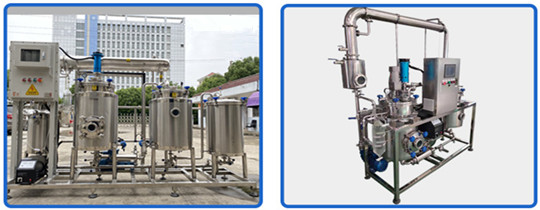
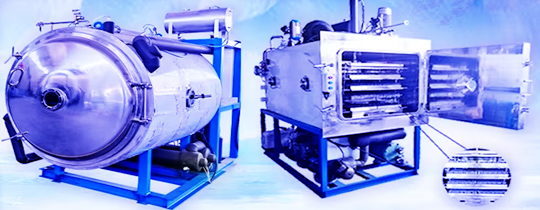
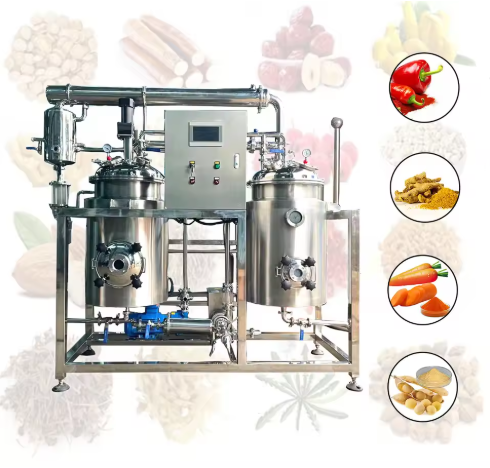
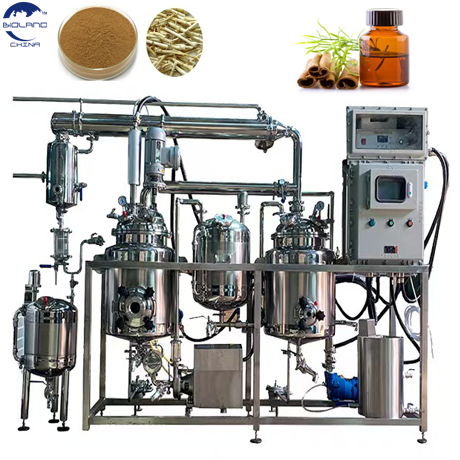
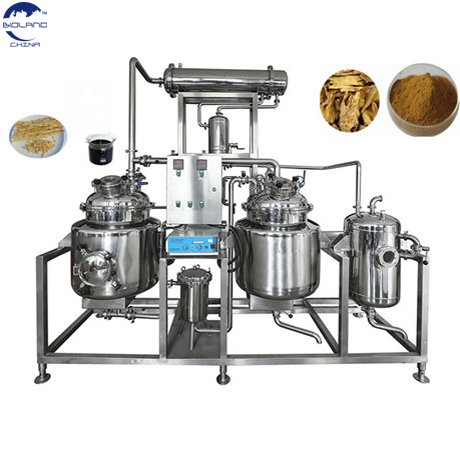
ultrasonic botanical extraction equipment is an efficient device for extracting plant active ingredients, and its core advantage lies in the use of ultrasound to enhance extraction efficiency and quality
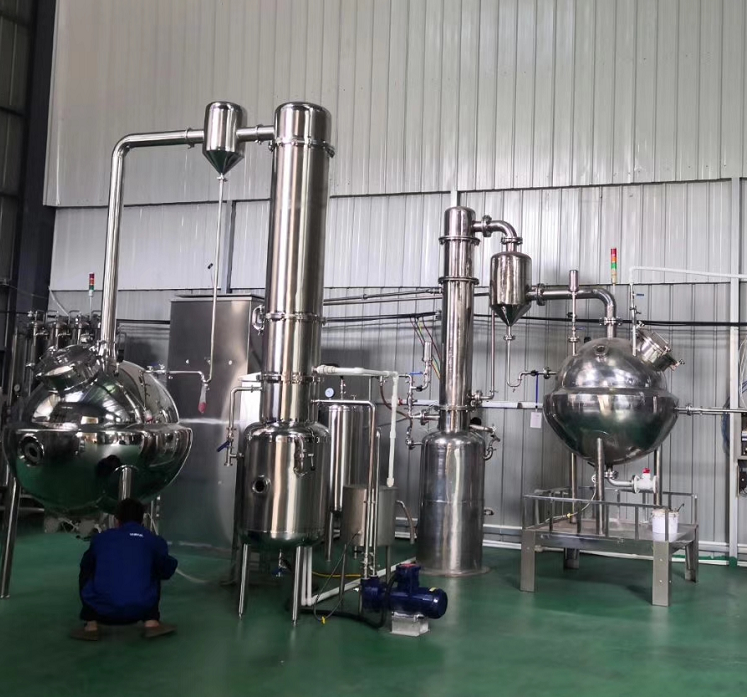
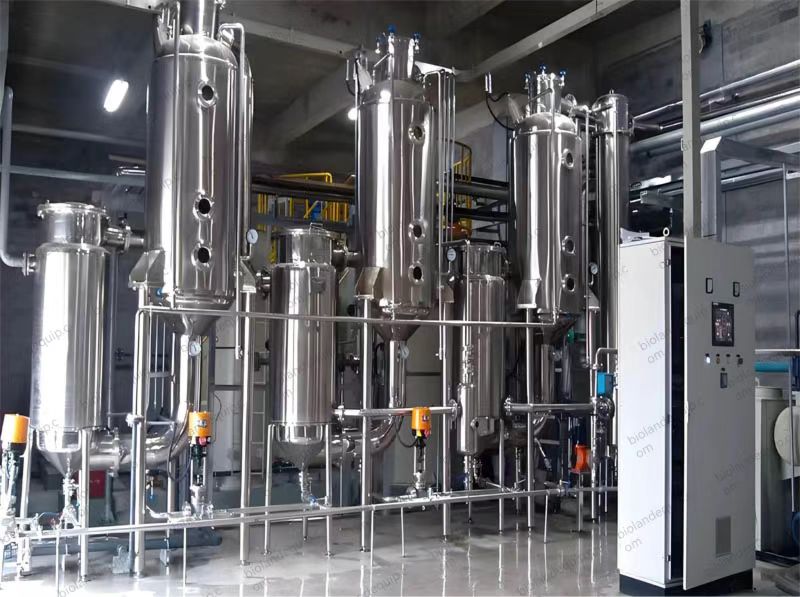
Equipment type
1. Industrial grade ultrasonic extraction machine - large-scale production, such as vegetable oil and polyphenol extraction
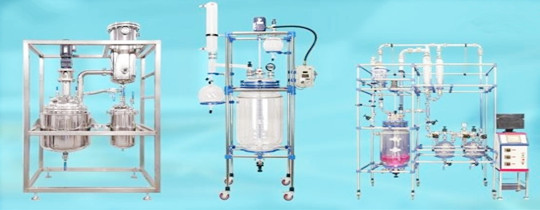
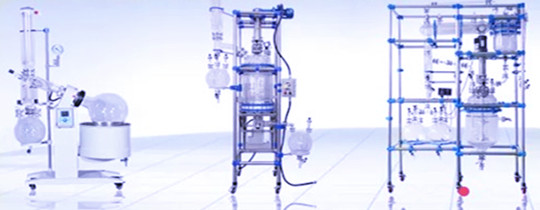
2. Laboratory ultrasonic homogenizer - small batch experiments, such as laboratory sample processing
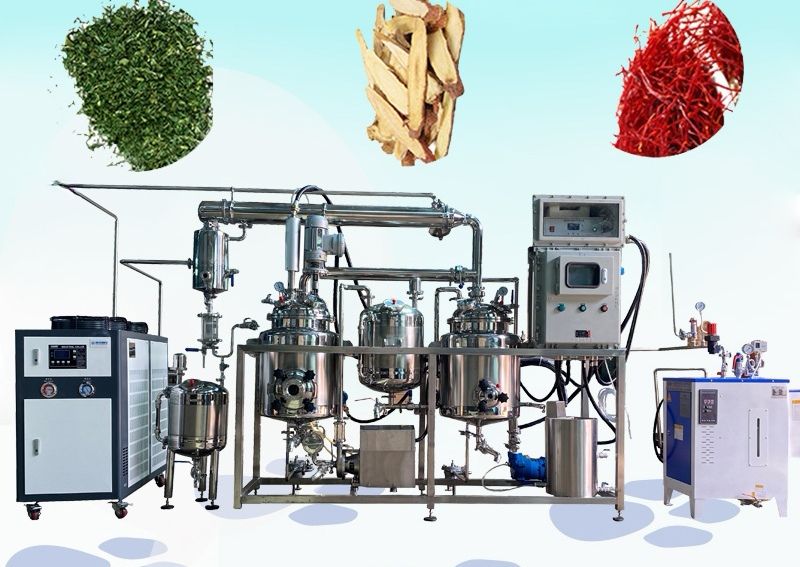
3. Multi functional hot reflux ultrasonic extraction concentrator - integrates extraction and concentration, suitable for extracting various plants
4. Plant essential oil ultrasonic extraction machine - focusing on low-temperature and efficient extraction of plant essential oils
Small laboratory equipment: suitable for scientific research institutions and universities for process development, such as cyclic ultrasonic extraction machine.
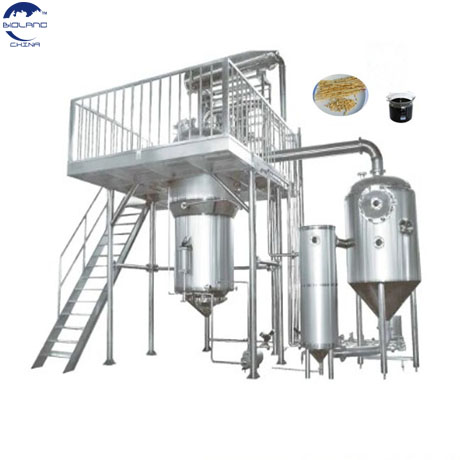
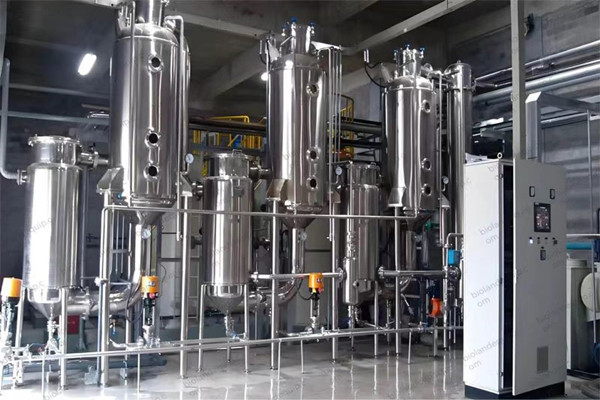
Industrial grade equipment: including ultrasonic dynamic external circulation extraction machine, ultrasonic extraction tank, etc., supporting large-scale continuous production
Key research and optimization
The performance optimization of ultrasonic plant extraction equipment is a research hotspot. For example, response surface methodology (RSM) can optimize extraction parameters such as liquid to material ratio, time, and temperature to improve extraction efficiency and target component purity. Research has shown that ultrasound assisted extraction can significantly improve the extraction efficiency of flavonoids. In addition, studies have explored the mechanism of ultrasonic frequency turbulent wall breaking and mass transfer extraction, providing theoretical support for equipment design.
Ultrasonic botanical extraction equipment has broad application prospects in the field of plant active ingredient extraction due to its advantages of high efficiency, speed, and low energy consumption
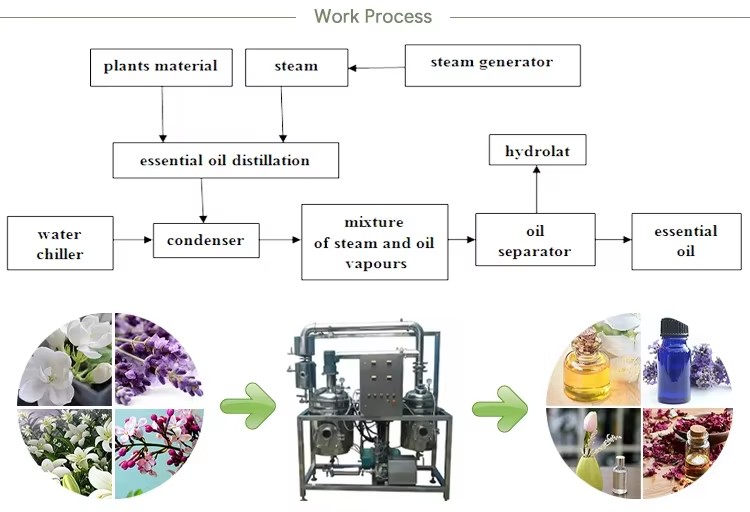
technical advantage
Ultrasonic plant extraction equipment utilizes the cavitation, mechanical, and thermal effects of ultrasound to achieve efficient extraction, with the following core advantages:
1. Efficient extraction significantly improves yield
The ultrasonic cavitation effect can instantly destroy the plant cell wall, allowing for rapid release of active ingredients. The extraction rate is 50-500% higher than traditional methods, and the single extraction yield can reach over 95%. At the same time, the extraction time is reduced by more than 2/3, usually taking 24-40 minutes to complete.
2. Low temperature environmental protection, protecting effective ingredients
Operate at room temperature and pressure (40-60 ℃) to avoid damage to heat sensitive components (such as artemisinin and rose essential oil) caused by high temperatures, while reducing solvent usage by 30% -50% to achieve green extraction.
3. Intelligent adaptation, convenient operation
High end devices equipped with AI algorithms can automatically adjust parameters such as power and frequency to adapt to different plant materials (such as hard bark and delicate petals); Some models support remote operation through mobile apps, achieving full coverage in home, laboratory, and industrial scenarios
4. Low cost and high return
Less impurities are extracted, and the difficulty of subsequent separation and purification is low; Equipment maintenance is simple, and the overall operating cost is reduced by more than 40% compared to traditional methods
process flow
1. Raw material pretreatment
Grind the plants to 20-80 mesh to increase the exposed area of the cell wall, making it easier for ultrasound to penetrate.
2. Solvent ratio and loading
Select green solvents such as water and alcohol, control the solid-liquid ratio at around 1:10, mix the raw materials with the solvent, and load them into an ultrasonic extraction tank.
3. Ultrasonic extraction
Start the equipment, and the ultrasonic probe vibrates at a high frequency of 20000 times per second to break the cell wall through cavitation effect, allowing the active ingredients to dissolve into the solvent. The extraction time is 30-60 minutes.
4. Filtration and Purification
After extraction, filter the mixture to remove any residue; The solvent is recovered by evaporation and condensation, and then the extract is subject to subsequent treatment such as crystallization and spray drying.
5. Equipment self-cleaning
Some high-end devices support ultrasonic self-cleaning function, which quickly removes tank residue and avoids cross contamination
You can refer our botanical Extraction unit : https://youtube.com/shorts/c4zLXaO6pas
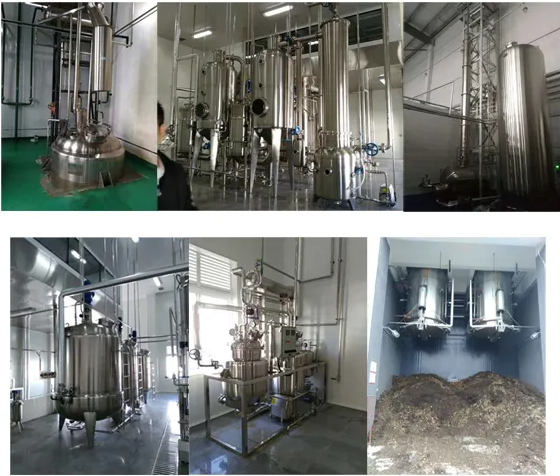
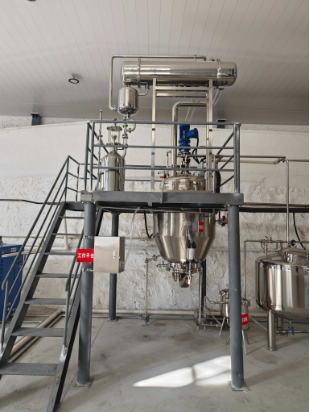
Application scenarios
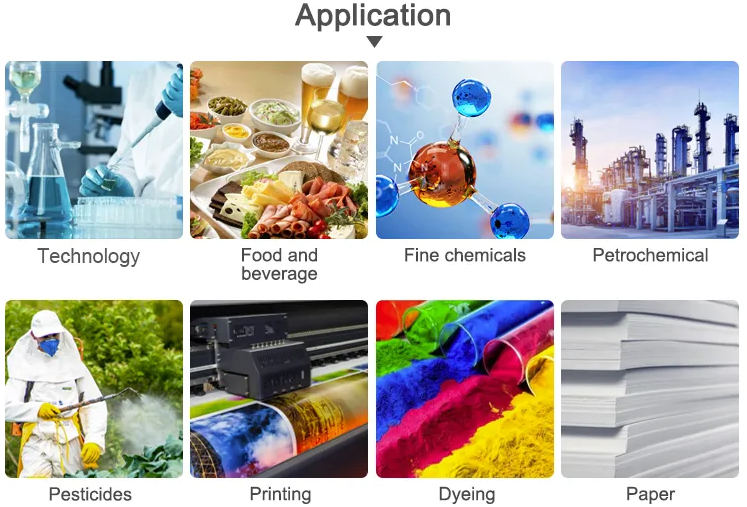
1. Traditional Chinese Medicine Extraction: Widely used for the extraction of active ingredients such as flavonoids, saponins, alkaloids, etc., such as total flavonoids from mulberry branches, ursolic acid from paulownia, etc
2. Food processing: used to extract natural pigments, flavors, polyphenols, and other components from plants, such as extracting tannins from Acer truncatum shells
3. Research field: As a tool for optimizing extraction processes, determine the optimal extraction parameters through response surface methodology, orthogonal experiments, etc
Contact Us
We specialize in turning unique ideas into reality. If you have any special customization needs or specific technical/process requirements, we are here to help. Please don't hesitate to reach out to our team directly email at info@bioland-china.com
Consultation