


- Home
- >
- Products
- >
- Extraction
- Subcritical extraction equipment
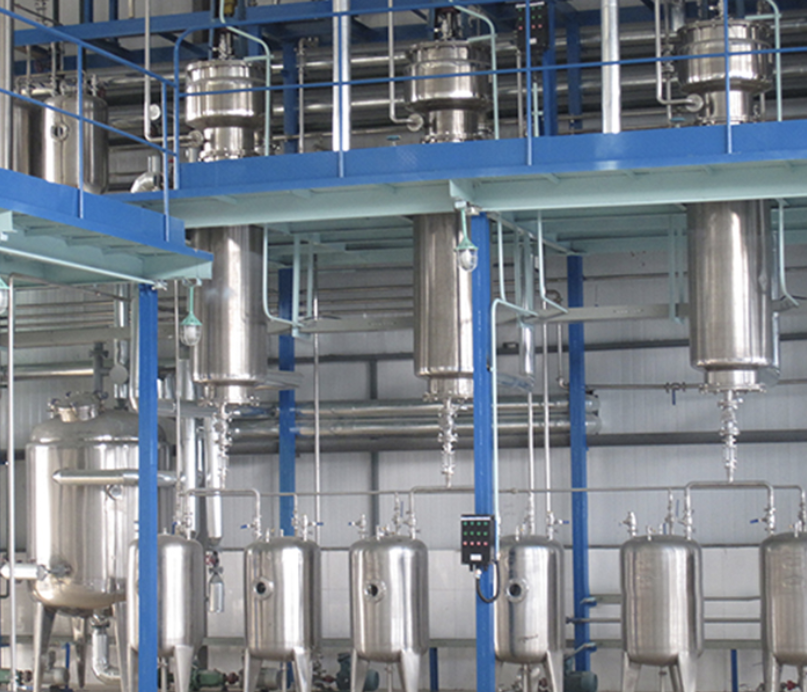
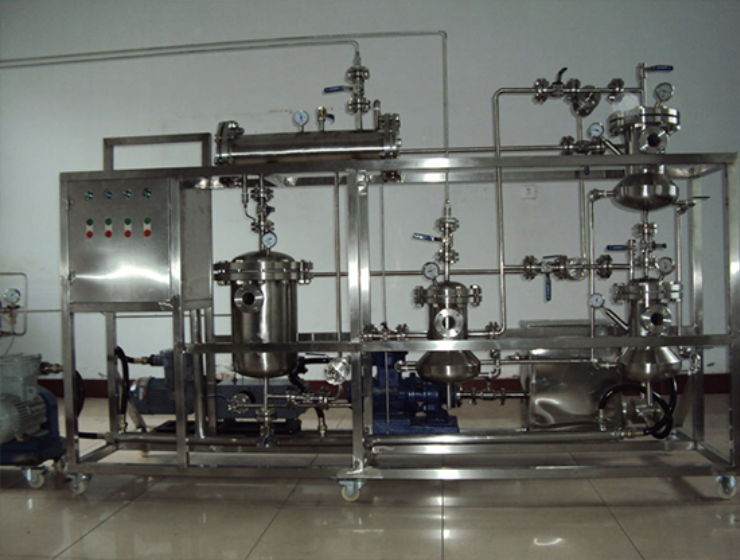
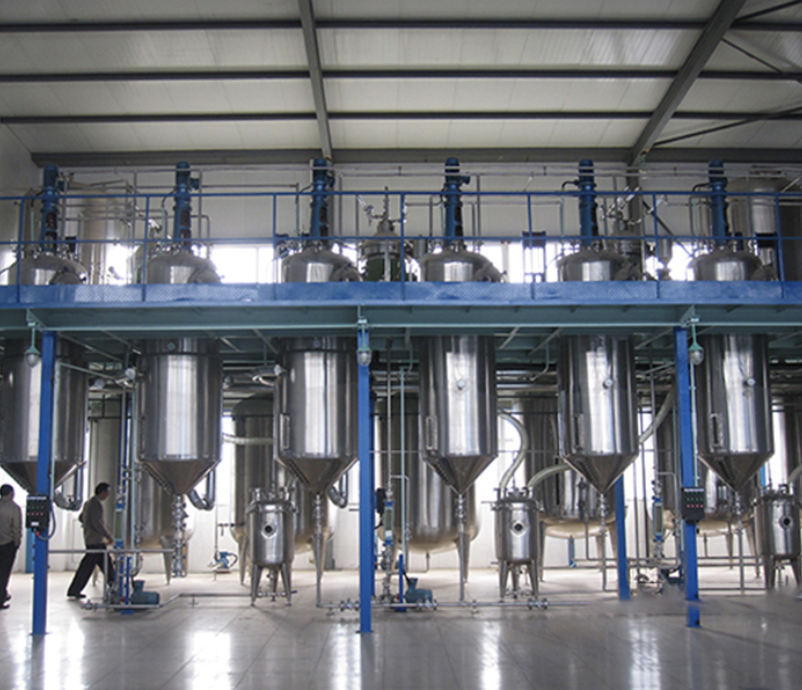
low-temperature subcritical extraction
low-temperature subcritical extraction ,Subcritical Fluid Extraction,Subcritical fluid low-temperature extraction
low-temperature subcritical extraction
Product Detail
Overview of Subcritical Fluid Extraction
At present, both domestically and internationally, the production methods for general edible oils such as soybean oil, rapeseed oil, and sunflower oil are mostly solvent extraction, using hexane or n-hexane as the extraction solvent, commonly referred to as No. 6 solvent. Because these solvents have high boiling points, a high temperature of 120°C is required to remove the solvent from crude oil and meal, which can damage thermosensitive nutrients in the oil and meal, causing high denaturation of active ingredients such as proteins, flavonoids, alkaloids, and vitamins in the raw materials. The resulting meal after oil extraction has limited use, mostly for feed and fertilizer, and cannot be further developed.
Subcritical fluid low-temperature extraction technology is a new oil production technology that mainly extracts fat-soluble components from raw materials. The extraction solvents used are one or a mixture of two of propane, butane, R134a, and dimethyl ether. These solvents all have boiling points below 0°C and can remove the solvent from oil and meal under low temperature and vacuum conditions, completely preserving the active components in the raw materials, laying a foundation for comprehensive utilization of plants.
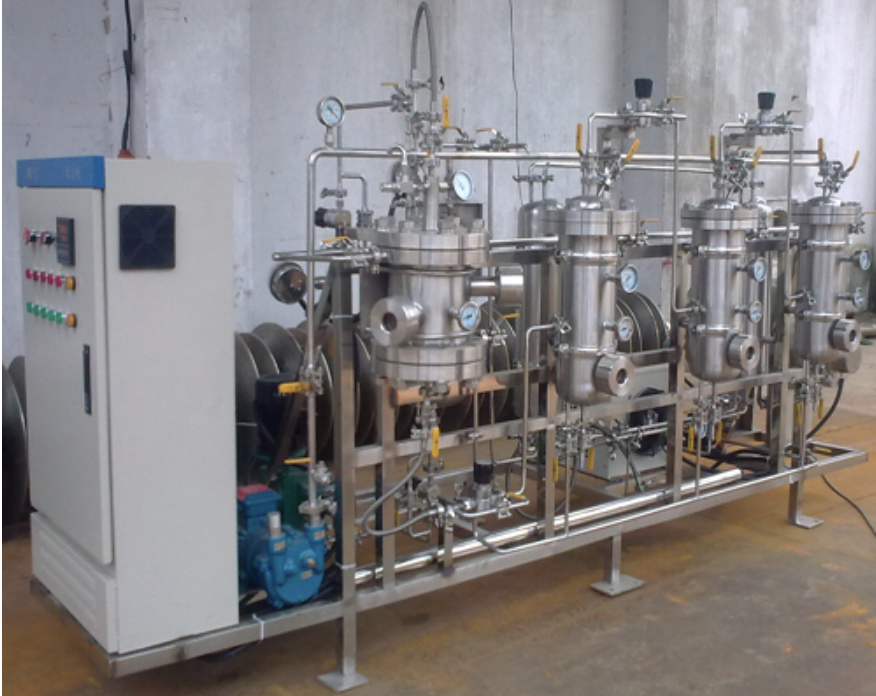
Main advantages of low-temperature subcritical extraction technology:
① The extraction and desolventizing processes do not require excessive heating, which reduces damage to heat-sensitive components in the material and effectively preserves volatile components in the extracted products;
② The five solvents that have been used and studied have different polarities, allowing extraction of a wide polarity range of target substances;
③ There is a certain extraction selectivity;
④ Energy-saving, with low energy consumption for evaporating the extraction solution, and the desolventizing process does not require high-temperature heating of the material;
⑤ Compared with supercritical extraction technology, it requires less investment, has lower production costs, and is easy to scale up for large-scale production.
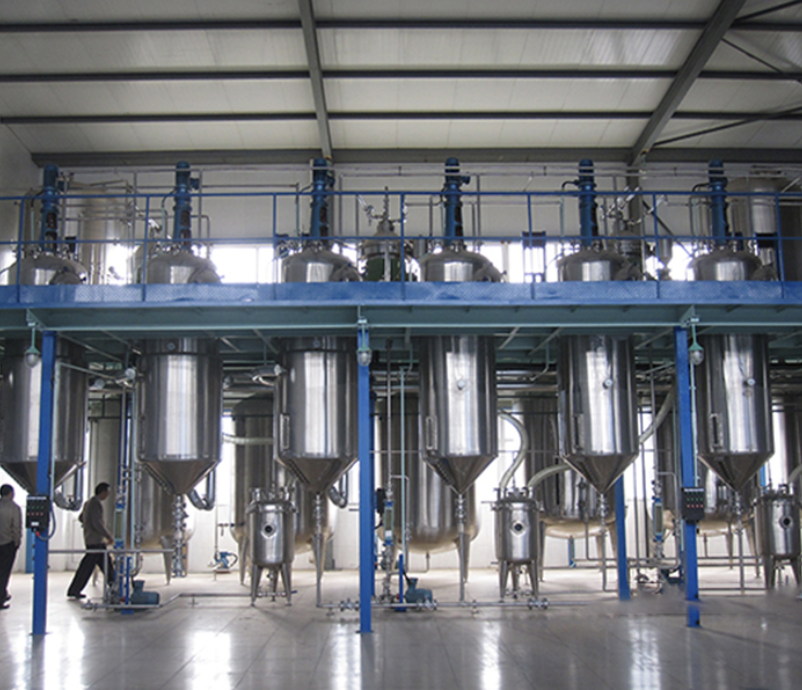
Subcritical Fluid Extraction Process Principle
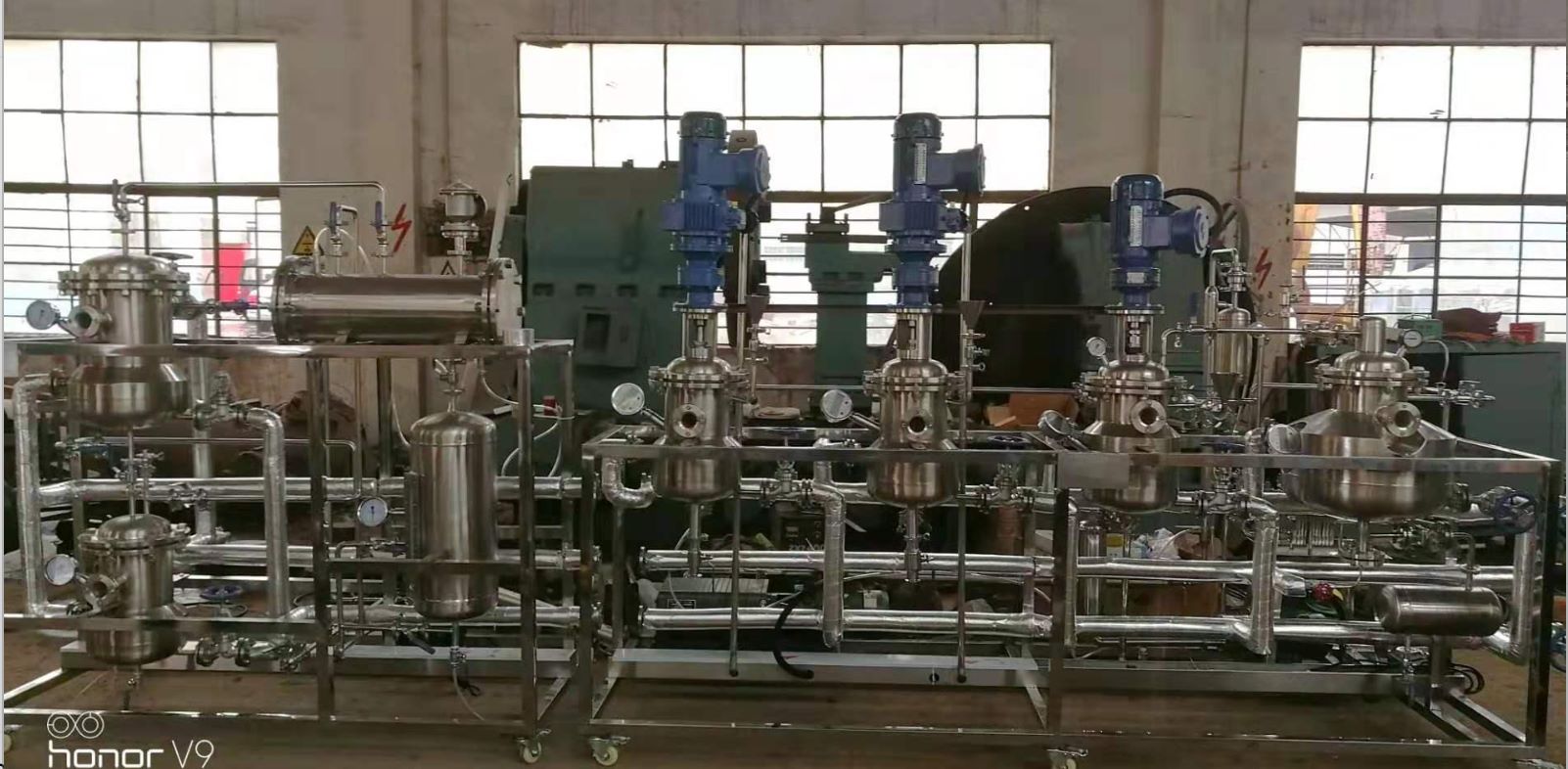
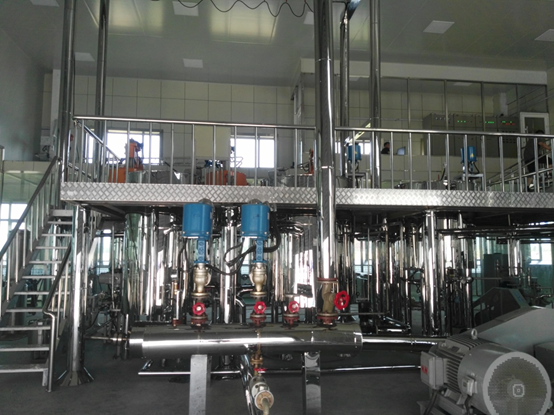
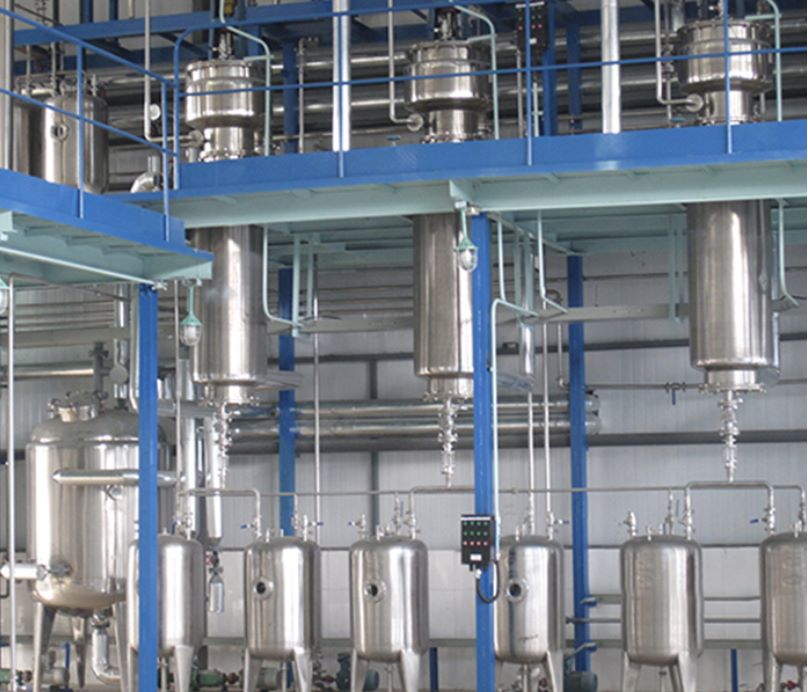
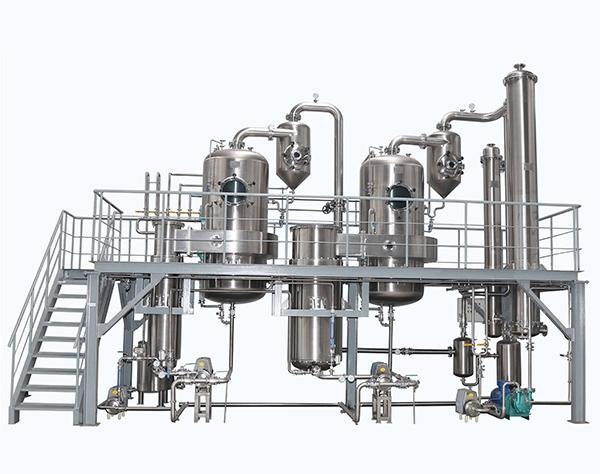
Subcritical fluid extraction is carried out under closed, oxygen-free conditions, with simple operation, safety, and convenience. The solvent used in subcritical extraction is gas at normal temperature and pressure, and becomes liquid under pressure. The basic principle of this process is: at normal temperature and a certain pressure (0.3MPa—0.8MPa), use subcritical fluid to countercurrently extract oil from material cores or particles (such as grape seeds, flax seeds, walnuts, wheat germ, peony seeds, pumpkin seeds, evening primrose seeds, etc.), and then reduce the pressure to volatilize the solvent in the mixed oil and meal. The volatilized solvent gas is then compressed and condensed into liquid by a compressor for recycling. During the solvent removal process, the heat absorbed due to solvent volatilization comes partially from the system itself and partially from the heating system.

Consultation