
- Home
- >
- Products
- >
- Extraction
- Subcritical extraction equipment
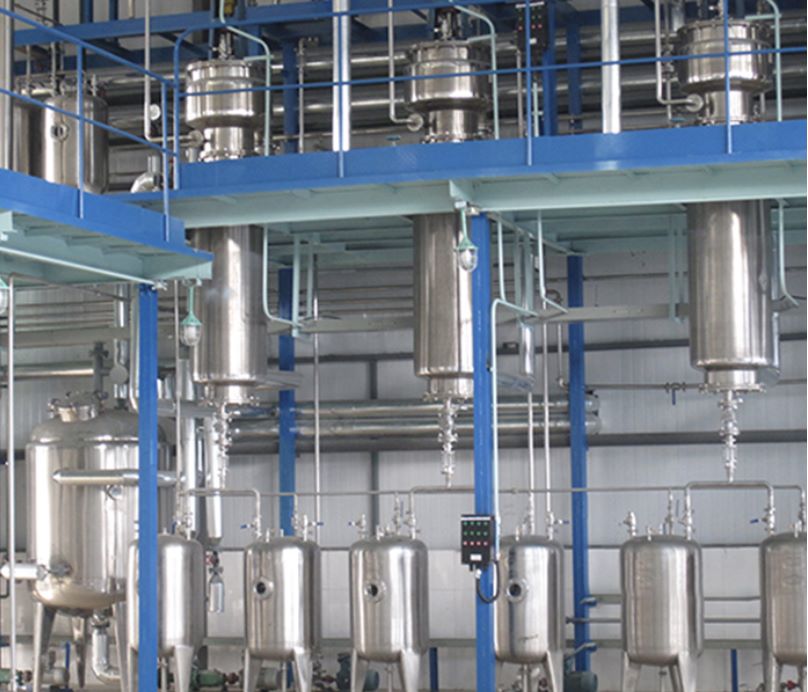
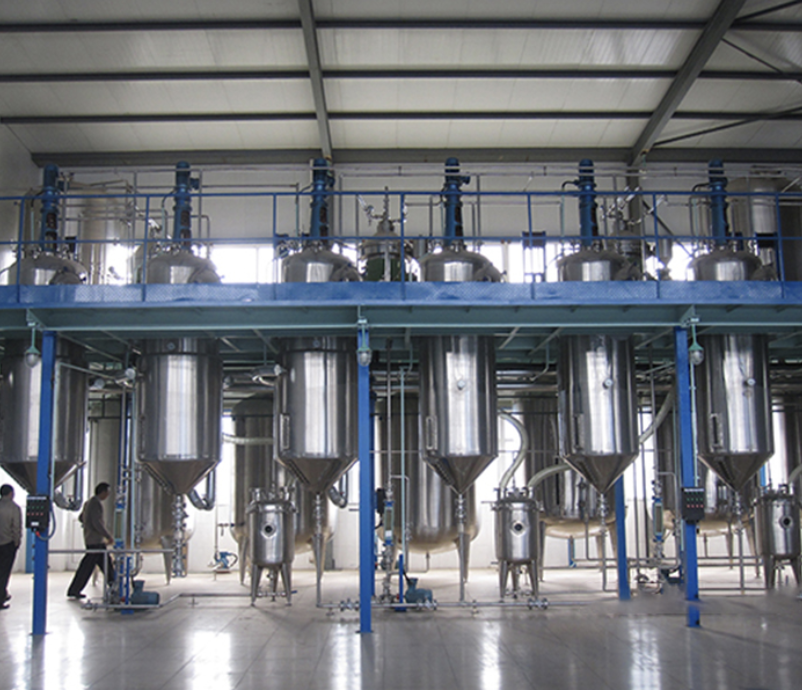
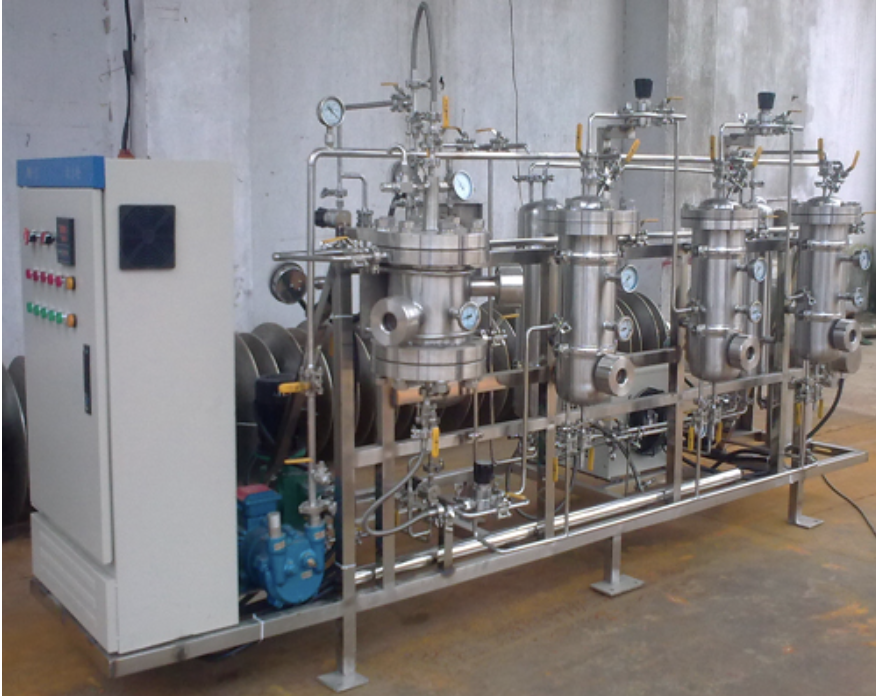
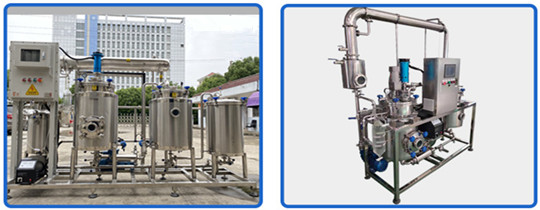
Subcritical fluid extraction equipment
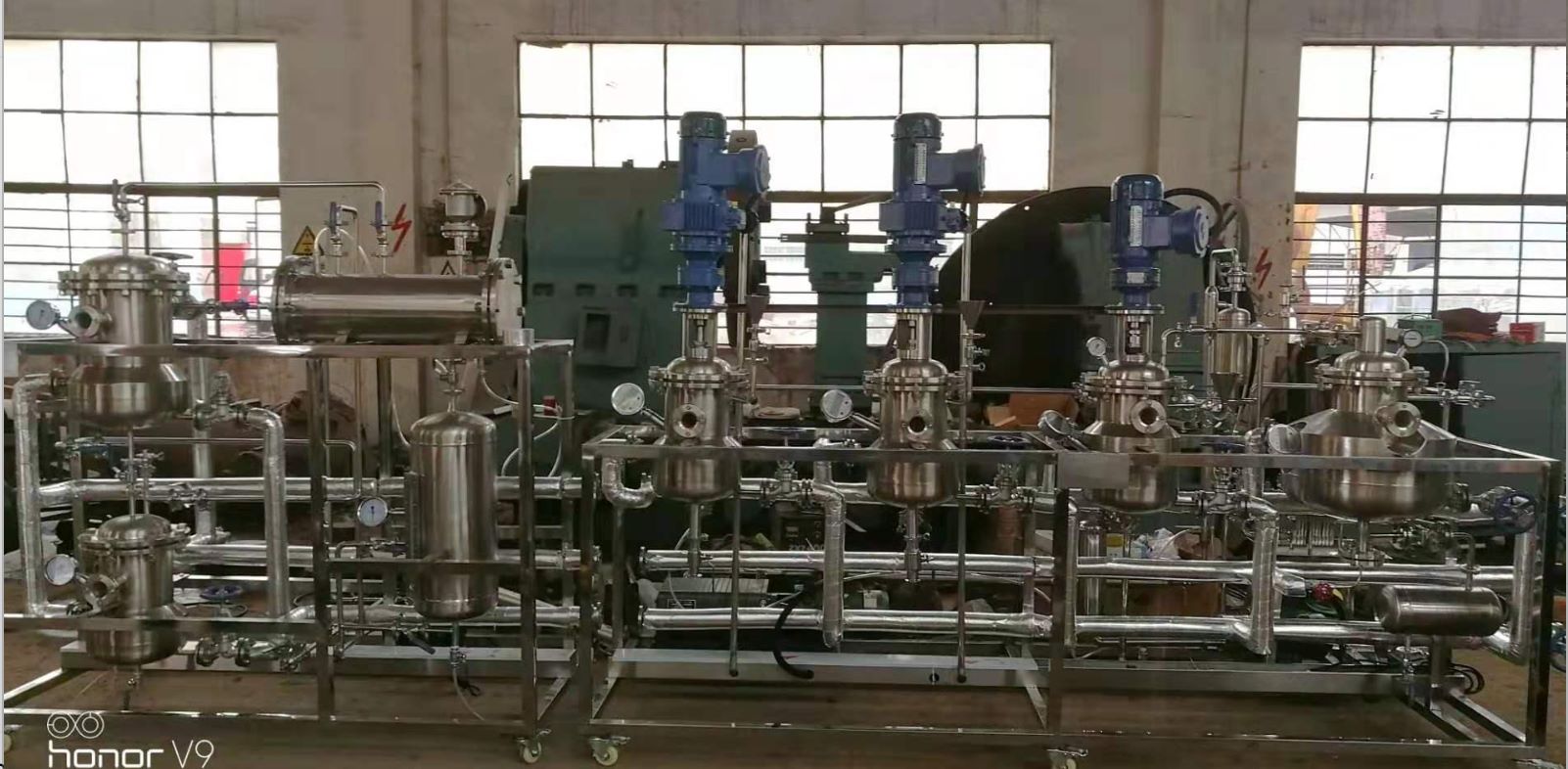
Subcritical fluid extraction equipment-Low-temperature extraction laboratory apparatus
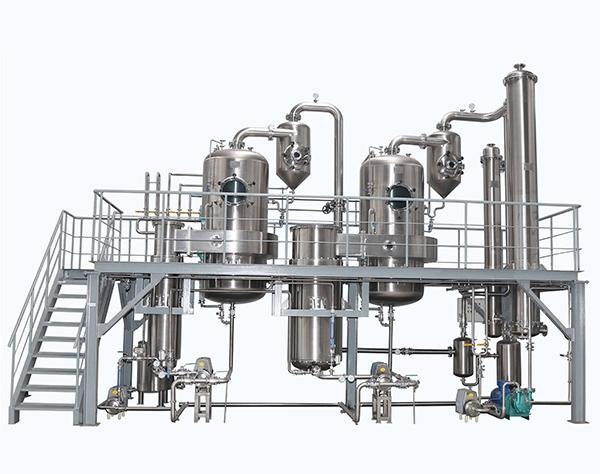
Subcritical fluid extraction equipment,Subcritical Extraction Device
Product Detail
Advantages of Subcritical Fluid Extraction Equipment
(1) The quality of the meal obtained after extraction is good. The denaturation rate of water-soluble protein in the meal is greater than 95%, the residual oil in the meal is less than 1%, and the residual solvent is less than 500 ppm;
(2) Low solvent consumption, with less than 6 kg of solvent used per ton of material;
(3) No need for steam, only hot water at 90°C is required. Compared with No. 6 solvent, it can save 70% of thermal energy;
(4) No "three wastes" pollution during production, making it an environmentally friendly project;
(5) The extracted oil has a light color, low lecithin content, and residual solvent in the oil can be less than 1 ppm;
(6) Extraction at room temperature and solvent removal at low temperature (below 50°C) cause almost no damage to heat-sensitive substances in the meal and oil, making it an ideal process for degreasing and preserving pigments and Chinese medicine raw materials;
(7) Low investment and low production cost (compared to carbon dioxide equipment);
(1) The quality of the meal obtained after extraction is good. The denaturation rate of water-soluble protein in the meal is greater than 95%, the residual oil in the meal is less than 1%, and the residual solvent is less than 500 ppm;
(2) Low solvent consumption, with less than 6 kg of solvent used per ton of material;
(3) No need for steam, only hot water at 90°C is required. Compared with No. 6 solvent, it can save 70% of thermal energy;
(4) No "three wastes" pollution during production, making it an environmentally friendly project;
(5) The extracted oil has a light color, low lecithin content, and residual solvent in the oil can be less than 1 ppm;
(6) Extraction at room temperature and solvent removal at low temperature (below 50°C) cause almost no damage to heat-sensitive substances in the meal and oil, making it an ideal process for degreasing and preserving pigments and Chinese medicine raw materials;
(7) Low investment and low production cost (compared to carbon dioxide equipment);
(8) Subcritical fluids are widely available and inexpensive. This solvent is available in various oil and gas fields and refineries, with prices lower than other extractants.
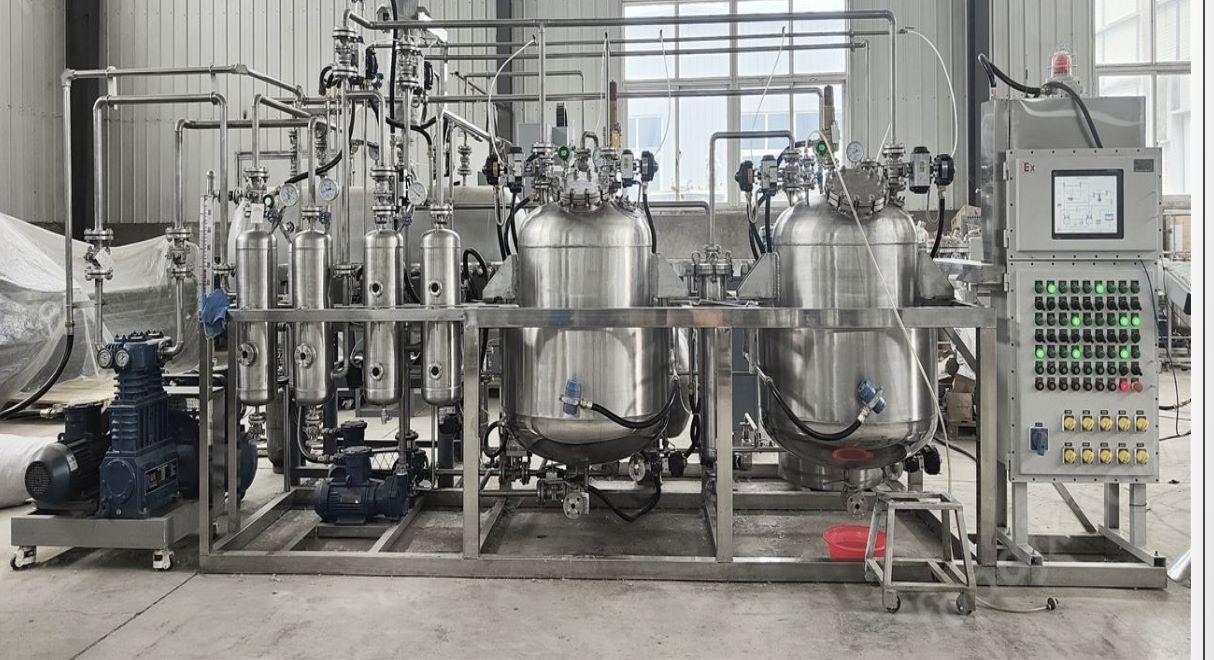
Subcritical Extraction Process:
(1) Open the feed valve, load the pretreated raw materials into the extraction tank, close the feed valve, and start the vacuum pump to remove the air from the extraction tank;
(2) Use the solvent pump to inject the subcritical fluid into the extraction tank to soak the raw materials, and start stirring the extraction;
(3) Use the solvent pump to draw the mixed oil from the extraction tank into the evaporation tank;
(4) Open the compressor outlet valve, start the compressor, and connect the extraction tank to the compressor’s suction port so that the residual solvent in the meal vaporizes. The solvent gas enters the compressor, and after compression and condensation in the condenser, it returns to the solvent circulation tank for reuse. The meal is discharged from the extraction tank;
(5) Connect the evaporation tank to the compressor’s suction port, indirectly heat the evaporation tank, and separate the solvent from the crude oil after evaporation. The solvent vapor is compressed by the compressor, condensed into liquid, and returned to the solvent circulation tank for reuse. The crude oil is discharged from the evaporation tank.
Operating Process Parameters: Temperature 40°C, extraction pressure 0.4–0.7 MPa, number of extractions 3–5 times (depending on the oil content of the raw materials); mixed oil concentration 10–40%, temperature 40–45°C, mixed oil evaporation temperature 45–60°C, vacuum for mixed oil degassing -0.095 MPa; meal degassing temperature 45°C, residual solvent in crude oil <30 ppm, residual solvent in meal <500 ppm.
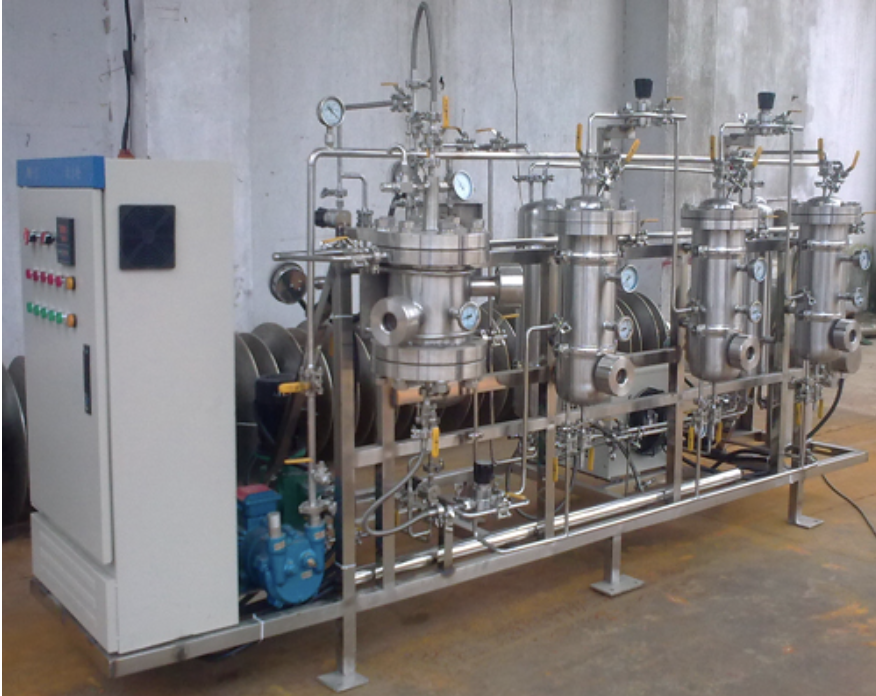
Principle of Subcritical Fluid Extraction Process
Subcritical fluid extraction is carried out under sealed and oxygen-free conditions, with simple, safe, and convenient operations. The solvent used in subcritical extraction is in a gaseous state at normal temperature and pressure and becomes liquid when pressurized. The basic principle of this process is: under normal temperature and certain pressure (0.3 MPa–0.8 MPa), subcritical fluid is used to perform countercurrent extraction on oil-bearing seeds or granules (such as grape seeds, flax seeds, walnut kernels, wheat germ, peony seeds, pumpkin seeds, evening primrose seeds, etc.), then the solvent in the mixed oil and meal is depressurized to vaporize. The vaporized solvent gas is then compressed and condensed through a compressor for recycling. During the solvent removal process, part of the heat required for the solvent vaporization comes from the system itself, and the other part is supplied by the heating system.
Application Fields of Subcritical Fluid Extraction Equipment
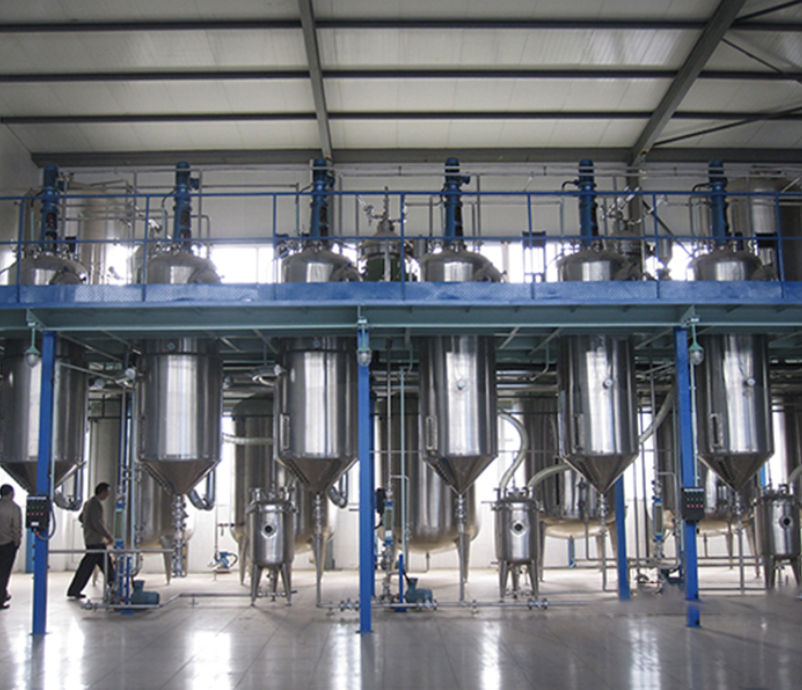
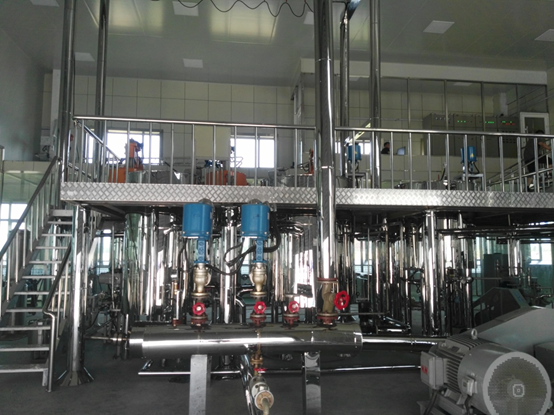
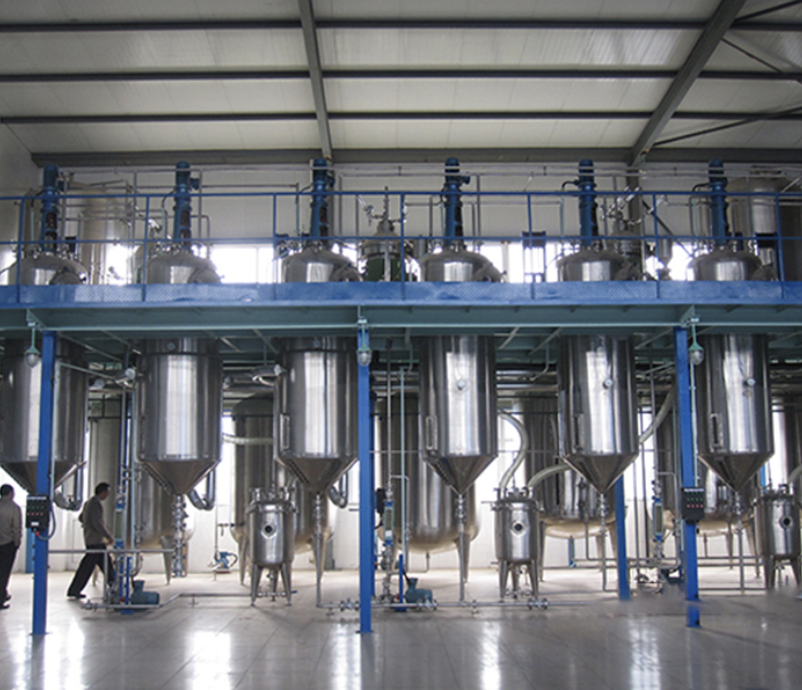
Subcritical fluid low-temperature extraction complete sets of equipment have been widely applied in three major fields: small-variety edible oils and proteins, pigments, and plant extracts.
(1) Successfully constructed production lines for grape seed oil, wheat germ oil and protein, flaxseed oil and protein, pumpkin seed oil and protein, walnut oil and protein, almond oil, sea buckthorn oil, microbial oil, peony seed oil, Job's tears oil, sugarcane wax, pyrethrum oil, yellow mealworm oil and protein, evening primrose seed oil, among others.
(2) In the field of pigments, established projects include marigold lutein, red pepper pigment, curcumin, gardenia pigment, zeaxanthin, crystalline lutein, astaxanthin, etc., among which the lutein production line constructed by our company accounts for 95% of the domestic lutein production lines.
(3) In plant extraction, it is possible to first perform low-temperature defatting and then extract other active components (alkaloids, flavonoids, glycosides, anthraquinones, etc.), making the extraction of active components convenient and with high yield. For example, star anise oil is first extracted at low temperature before extracting shikimic acid; bitter almonds are first used to extract almond oil before extracting amygdalin; Ganoderma seeds are first used to extract oil before extracting 5-hydroxytryptophan; green coffee beans are first used to extract oil before extracting chlorogenic acid, and so on.

Consultation