


Characteristics of Soxhlet extraction process
2026-03-12
Product Introduction
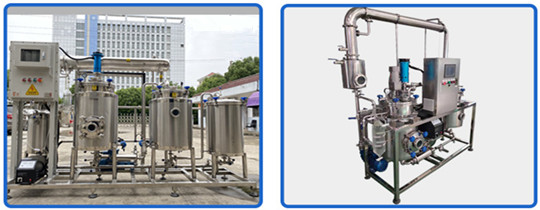
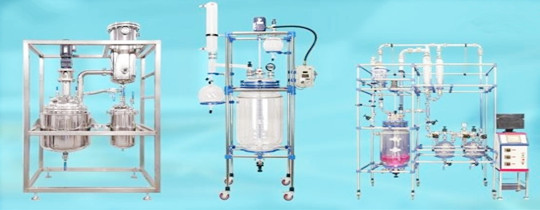
Soxhlet extractor is a classic continuous reflux extraction device widely used for organic component extraction in natural products, food, pharmaceuticals, environmental samples and other fields.
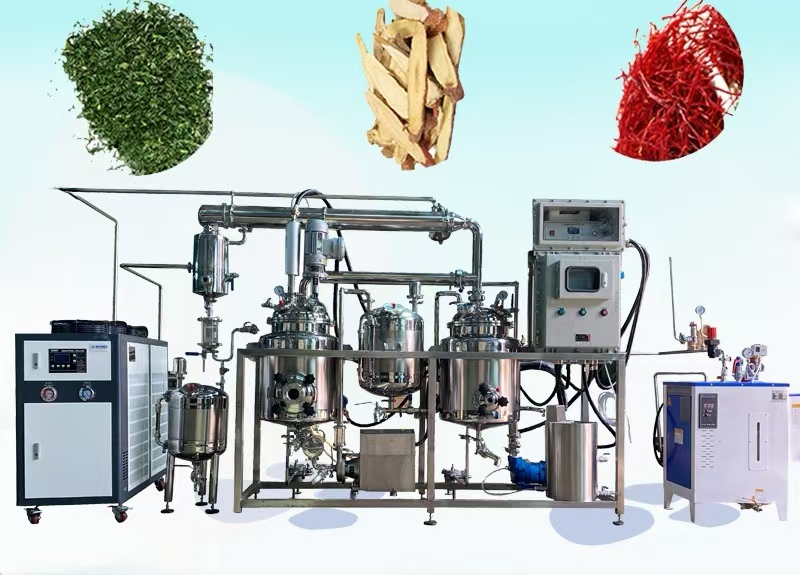
Process characteristics:
1. Efficiency and continuity
-Continuous reflux cycle: The solvent is automatically circulated through the siphon principle, and the solvent repeatedly comes into contact with the sample during the extraction process, improving the extraction efficiency.
-Multiple dynamic extraction: The solvent re enters the extraction tube during each siphon reflux and permeates the sample multiple times, making it more efficient than static soaking.
2. Low solvent consumption
-Solvent recycling: The solvent is recycled through the evaporation condensation reflux process, significantly reducing the amount of solvent used, lowering costs, and environmental pollution.
-Suitable for low boiling point solvents: commonly used low boiling point solvents such as ether, petroleum ether, ethanol, etc., combined with condensing systems to reduce volatilization losses.
3. Mild temperature control
-Indirect heating: The solvent is heated and boiled in the flask, and the vapor is condensed to become liquid and refluxed back into the sample. The actual extraction temperature is close to the boiling point of the solvent (such as ethanol at 78 ° C), avoiding high temperature damage to thermosensitive components.
-Suitable for thermosensitive substances: Suitable for extracting natural products that are sensitive to temperature, such as volatile oils, alkaloids, flavonoids, etc.
4. Extract evenly and thoroughly
-Dynamic extraction: The solvent is constantly updated to avoid local concentration saturation, promote mass transfer equilibrium, and improve extraction efficiency.
-Suitable for insoluble ingredients: The extraction effect is better for components encapsulated within cells, such as lipids and vegetable oils.
5. Operational automation
-Unmanned: The device can run automatically after startup, without frequent operation, saving manpower.
-Standardized process: suitable for laboratory or industrial batch extraction, with good repeatability of results.
6. Wide applicability
-Sample type: Can handle solid and semi-solid samples (such as medicinal herbs, soil, food, plant tissues, etc.).
-Target ingredient: Suitable for the extraction of fat soluble, weakly polar, or moderately polar components (such as oils, terpenes, pesticide residues, etc.).
7. Limitations
-Long time consumption: A single extraction usually takes several hours to tens of hours, which is not suitable for rapid analysis.
-Limited solvent selection: Suitable solvents need to be selected based on the polarity and thermal stability of the target component.
-High requirements for sample pretreatment: it needs to be crushed to an appropriate particle size (too coarse affects extraction rate, too fine may block the siphon tube).
-Equipment dependence: High requirements for condensation efficiency and siphon system sealing, with high maintenance costs.
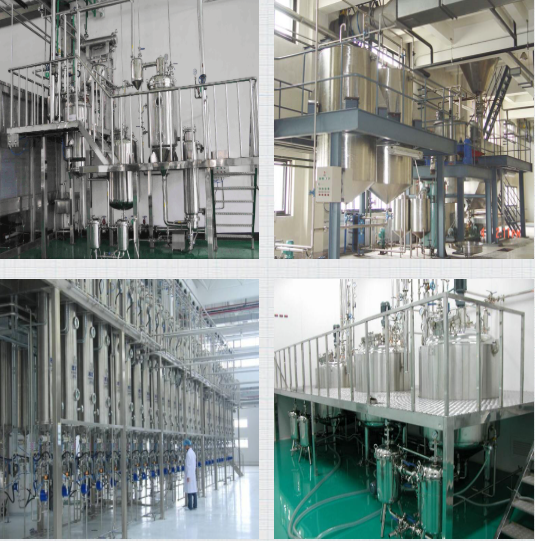
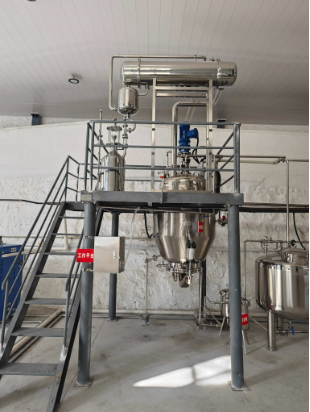
Process optimization
1. Solvent selection: Adjust the solvent according to the polarity of the target component (such as ether for lipids and ethanol for flavonoids).
2. Temperature control: Control the reflux rate by adjusting the heating power to avoid excessive boiling of the solvent.
3. Sample processing: Optimize the crushing particle size (usually 40-60 mesh) and packing density.
4. Time control: The extraction time needs to balance efficiency and energy consumption, usually measured by the number of siphons (such as 10-20 times).
The Soxhlet extraction tank still holds an important position in traditional extraction processes due to its high efficiency and low consumption, especially suitable for laboratory and small-scale production. But in industrial production, it is gradually being partially replaced by new technologies such as supercritical fluid extraction and microwave-assisted extraction.
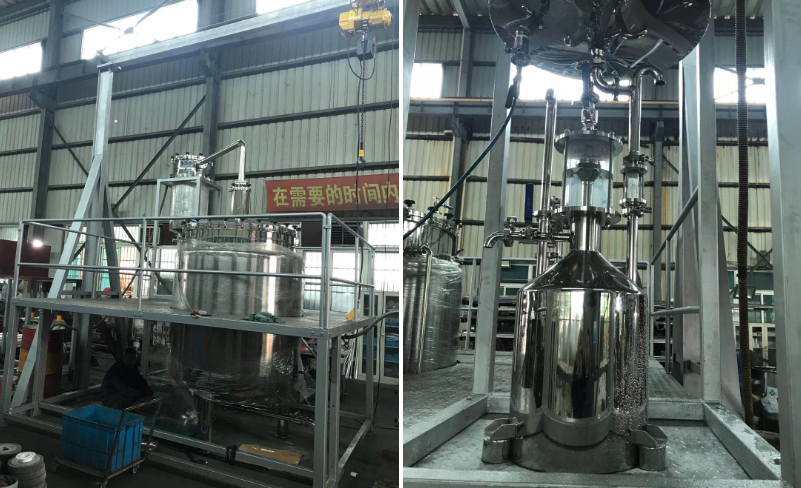
Typical application scenarios
-Natural product extraction: active ingredients in traditional Chinese medicine, such as ginsenosides and ginkgo flavonoids.
-Food analysis: Determination of fat content (such as Soxhlet extraction method for determining crude fat in food).
-Environmental testing: organic pollutants (such as polycyclic aromatic hydrocarbons, pesticide residues) in soil or sediment.
-Research Experiment: Laboratory scale Component Separation and Purification
Related News
MORE >-

What are the characteristics of pilot plant glass reactor used in chemical and pharmaceutical industries?
chemical reactor,reactor in chemical plant,batch chemical reactor ,chemical reactor plant,glass reactor vessel ,jacketed reactor vessel
-

Common Troubleshooting Methods for chemical glass reactor
batch glass reactor,lab glass reactor ,jacketed glass reactor,100 liter glass reactor,jacketed reactor vessel
-

Chemical synthesis glass reactor selection guide
chemical synthesis reactor,chemical glass reactor, 50L Chemical Glass Reactor, Agitated Nutsche Filter Jacket Reactor
Consultation