

Chemical synthesis glass reactor selection guide
2026-07-03
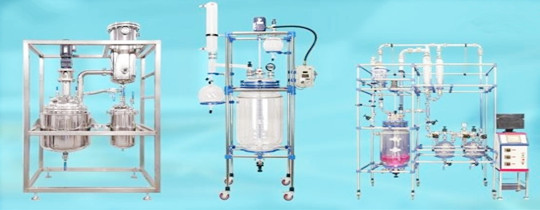
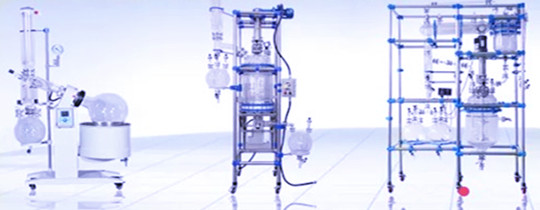
The double-layer glass reaction kettle is a core experimental equipment in the fields of fine chemicals, biopharmaceuticals, and new material synthesis. It has core functions such as precise temperature control, vacuum stirring, and visual observation, and is suitable for various scenarios such as reaction, evaporation, distillation, and solvent recovery.
Bioland Instrument focuses on the research and production of laboratory equipment, with products covering fields such as analysis, chemistry, and medicine. Our clients include scientific research and education, biotechnology, petrochemicals, and food and beverage industries. Its double-layer glass reaction vessel is made of high borosilicate glass, with outstanding temperature resistance. It is equipped with circulating water vacuum pump, low-temperature coolant circulation pump and other equipment to form a complete solution.

In organic synthesis, drug intermediate preparation, and new material research and development, double-layer chemical glass reactors have become the core equipment in laboratories and pilot workshops due to their chemical tolerance and visual operation advantages. However, when faced with different brands and specifications, how to choose a device that is both safe and efficient? This article will provide you with professional purchasing strategies from four dimensions: glass material, structural design, sealing performance, and safety protection.
Do you want to achieve efficient and safe chemical reaction control in the laboratory?
Double layered glass reactor is definitely your best choice! Multiple capacity options from 1L to 200L to meet different experimental needs. This article will delve into the functional characteristics of a double-layer glass reactor, helping you better understand and use this laboratory artifact.
A double-layer chemical glass reactor is a precision equipment used in laboratories, mainly for conducting various chemical reactions. Its double-layer structure design not only effectively isolates heat, but also provides a visual observation window, making the experimental process clear at a glance.
Double layered glass reactors are typically equipped with stirring devices, temperature control systems, and vacuum systems, making them an ideal choice for experimental operations such as chemical reactions, synthesis, and distillation. Whether it's teaching demonstrations or research projects, its presence can be seen.
How to select your double-layer chemical glass reactor?
1、 Glass material: High borosilicate is the bottom line
The glass material of the reaction vessel directly determines its heat shock resistance and compressive strength. Be sure to confirm that the equipment uses 3.3 high borosilicate glass. This material has an extremely low coefficient of thermal expansion (3.3 × 10 ⁻⁶/K) and can withstand drastic temperature changes (such as rising directly from -60 ℃ to 200 ℃ without breaking). For reactions involving strong acids and bases, it is recommended to choose glass components that have undergone heat tempering treatment to enhance their resistance to mechanical impact.
2、 Structural Design and Mixing System
Mezzanine design: The double-layer glass structure is used to connect the circulating bath (heating or cooling). Attention should be paid to the interface size (usually DN15 or DN25) and pressure resistance of the interlayer. High quality equipment is usually designed with splash guards to prevent circulating liquid from splashing.
Mixing system: Mixing is the key to mass transfer. For high viscosity materials, it is recommended to choose anchor or frame type mixing impellers; For low viscosity homogeneous reactions, propulsion or turbocharging are more efficient. Meanwhile, it is confirmed that the mixing shaft adopts PTFE mechanical seal or magnetic coupling drive, which can effectively eliminate the risk of leakage in high-pressure reactions.
3、 Sealing and Interface Standards
The sealing performance of the reaction kettle directly affects the maintenance of vacuum degree and solvent recovery rate.
Sealing material: PTFE (polytetrafluoroethylene) coated rubber gasket is preferred, with much better corrosion resistance than ordinary nitrile rubber.
Interface standard: Confirm whether the interfaces on the kettle cover (such as temperature measurement port, feeding port, condensation reflux port) comply with standard grinding ports (such as 24/29 or 29/32) or flange connections, in order to facilitate quick assembly with other glass instruments (such as constant pressure drip funnels, condensers).
4、 Security Protection and Compliance
Explosion proof requirements: If the experiment involves flammable and explosive solvents, explosion-proof motors and electrostatic grounding devices must be selected.
Protective cover: For large capacity (>10L) reactors, it is recommended to choose a transparent PC protective cover to prevent accidental glass breakage and injury.
Certification: Check whether the equipment has passed CE certification and ISO quality management system certification.

Our Core advantages:
1. Raw materials and process standards: The double-layer glass reactor is made of high borosilicate glass material, which meets international chemical corrosion resistance standards and can withstand temperature differences of -80 ℃ to 200 ℃, suitable for high temperature and high pressure reaction scenarios; The interface between glass and stainless steel adopts precision frosted technology, and the sealing performance reaches the industry level.
2. Industry adaptation experience: Accumulated service to multiple scientific research institutions and industrial enterprises, with cases involving drug synthesis, nanomaterial preparation, and fine chemicals. For example, a 50L double-layer glass filtration reactor customized for a certain biopharmaceutical enterprise has improved its dissolved oxygen efficiency by 30% and shortened the fermentation cycle through optimized stirring blade design.
3. Service network coverage: Establish nationwide service outlets, provide 72 hour response after-sales support, provide equipment operation training and regular maintenance services, and lower the threshold for customer use.
4.The Bioland instrument manufacturer's chemical glass reactor products are suitable for scenarios such as chemical synthesis, biopharmaceuticals, and new material research and development, especially for laboratories and pilot production lines with strict requirements for temperature control accuracy, corrosion resistance, and sealing
The core of choosing a double-layer glass reactor lies in "material reliability" and "sealing stability". It is recommended to clarify the maximum working pressure, temperature range, and solvent properties of the reaction system before procurement. If you need equipment configuration solutions for specific synthesis processes such as ultrasonic filtration reactions or distillation reactions, please feel free to consult our team of chemical process experts. -info@bioland-china.com
Related News
MORE >-

What are the characteristics of pilot plant glass reactor used in chemical and pharmaceutical industries?
chemical reactor,reactor in chemical plant,batch chemical reactor ,chemical reactor plant,glass reactor vessel ,jacketed reactor vessel
-

Common Troubleshooting Methods for chemical glass reactor
batch glass reactor,lab glass reactor ,jacketed glass reactor,100 liter glass reactor,jacketed reactor vessel
-
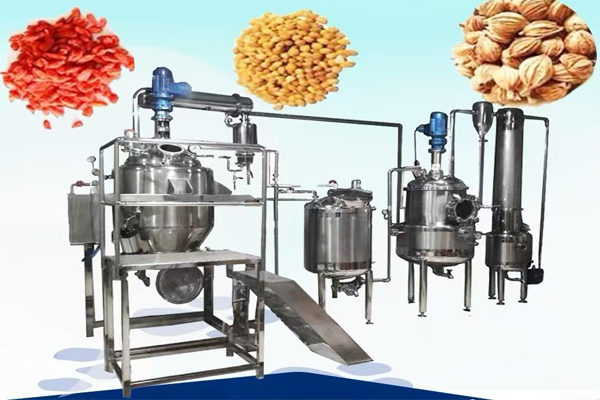
The principle of ultrasonic herbal extraction equipment
ultrasonic herbal extraction equipment,ultrasound assisted extraction machine,ultrasonic herbal extraction equipment,extraction concentration unit
Consultation