




- Home
- >
- Cases
ultrasonic assisted extraction in pharmacy
Product Details
ultrasonic assisted extraction is an efficient, energy-saving, and green modern pharmaceutical extraction technology that has been widely used for rapid enrichment of active ingredients such as polysaccharides, flavonoids, alkaloids, phenolic acids, etc. in traditional Chinese medicine. It generally outperforms traditional reflux or impregnation methods in terms of yield, purity, and time efficiency
Ultrasonic assisted extraction (UAE) utilizes the cavitation effect of ultrasound to destroy cell wall/membrane structures and accelerate the dissolution of target components. Compared with traditional methods such as reflux and immersion, UAE has outstanding advantages such as shorter time, lower temperature, less solvent consumption, and less loss of thermosensitive components. In the field of pharmacy, its core value lies in ensuring the structural integrity of active substances (such as protein and polysaccharide conformation), improving the accuracy of analysis and detection (such as the quantification of soil phospholipid fatty acid PLFAs), and supporting the development of green processes (such as the combination of environmentally friendly solvents such as NADES and MCT oil)
Ultrasonic assisted extraction is mainly used in pharmacy to efficiently and gently obtain active ingredients from plant/microbial sources (such as polysaccharides, flavonoids, alkaloids, cannabinoids, etc.), significantly improving yield and activity retention. It has become a key pretreatment technology for modern natural medicine research and quality control
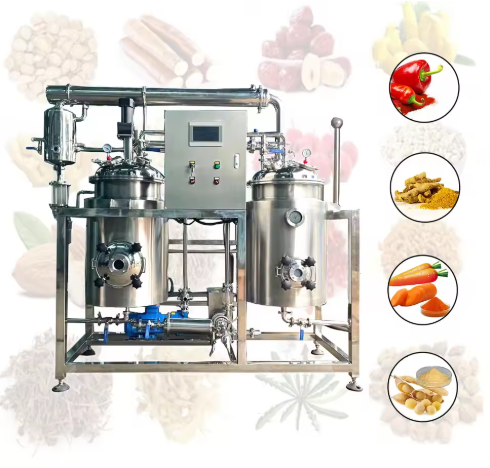
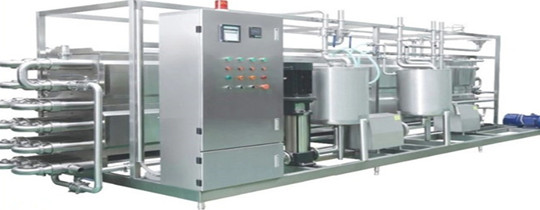
Typical medicinal ingredients and application examples
Polysaccharides: Yunzhi polysaccharides (anti bone cell effect), lychee polysaccharides, oil tea seed and leaf polysaccharides - optimized yield and antioxidant activity using UAE binding response surface methodology (RSM);
Flavonoids/phenols: Continental acid from the roots of Acanthopanax senticosus and VOR from hawthorn leaves -2-O-rhamnoside - APG surfactants enhance UAE efficiency, with a recovery rate of 99.8% -102.5%;
Alkaloids: Optimization of Extraction Conditions for Three Alkaloids in Phellodendron amurense Using Ionic Liquid Water System UAE Combined Response Surface Methodology;
Cannabinoids: CBD/THC - Heat extraction (IE) from cannabis sugar leaves showed the best performance, but UAE was systematically evaluated as a basic control method, confirming its stable applicability in oil-based extraction;
Other: Pre treatment for pesticide residue detection such as Antarctic krill protein (maintaining enzyme activity) and imidacloprid - UAE enhances sensitivity and reproducibility
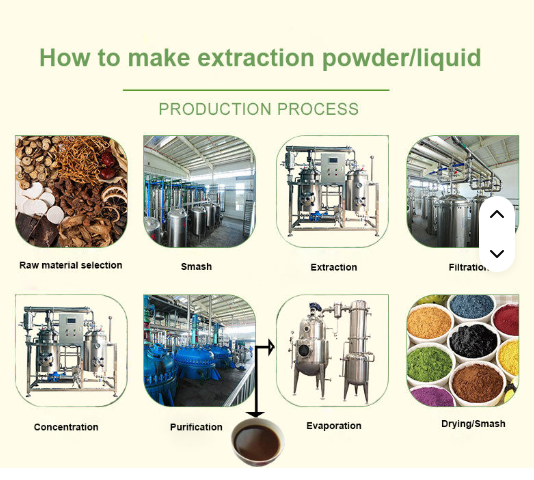
process flow
Sample pretreatment
The raw materials are dried and crushed (such as ultrafine grinding) to increase surface area and improve solvent contact efficiency.
Some raw materials need to be defatted or dewaxed (such as dewaxing before extracting pepper seed oil).
Solvent selection and mixing
Select solvents (such as ethanol, acetone, ionic liquids) based on the polarity of the target component.
Optimize solvent concentration (such as 70% ethanol for flavonoid extraction) and solid-liquid ratio (1:10~1:6039).
ultrasonic extraction
Parameter settings: ultrasound power (200-3000 W), frequency (28-40 kHz), time (10-60 min), and temperature (40-80 ℃).
Equipment type: probe type or slot type ultrasonic instrument, with the latter being more commonly used.
Separation and purification
Centrifuge or filter to remove residue, and concentrate the extract.
Purification of target components using column chromatography (such as polyamide column separation of flavonoids) or solid-phase extraction (SPE).
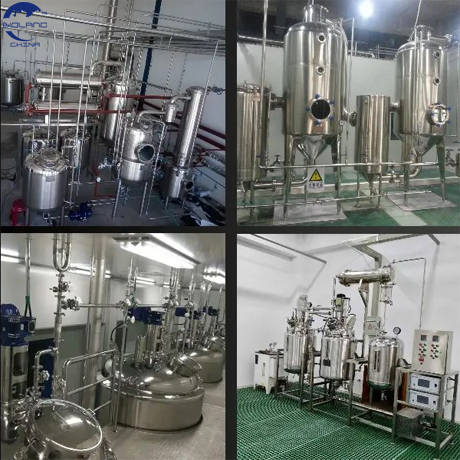
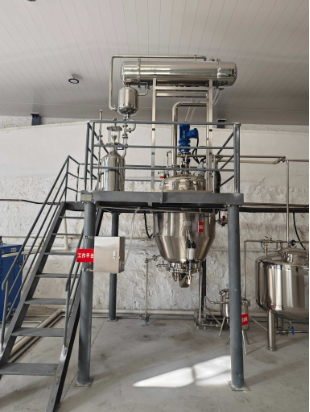
principle
cavitation effect
Ultrasonic waves generate high-frequency vibrations in liquids, forming microbubbles that collapse instantly, releasing high pressure (up to 1000 atm) and high temperature (5000 K), damaging cell walls, and promoting component dissolution.
mechanical effect
Sound waves drive solvent molecules to move at high speeds, enhance mass transfer efficiency, and shorten extraction time (2/3 shorter than traditional methods).
thermal effect
Localized heating accelerates molecular diffusion, but temperature control (usually ≤ 60 ℃) is required to protect the thermosensitive components.
synergy
Combining microwave, ionic liquid and other technologies to improve extraction efficiency (such as microwave ultrasound combined extraction of flavonoids)
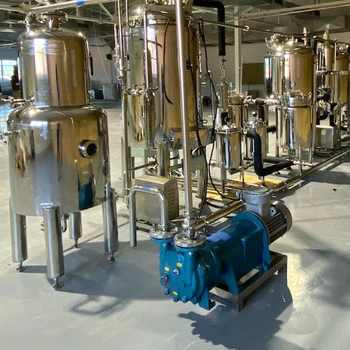
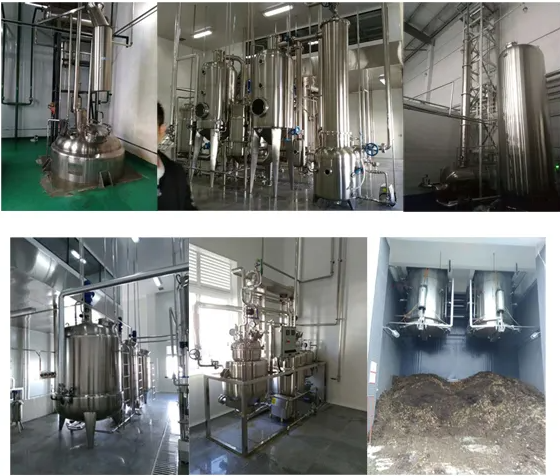
Pharmaceutical application field
Extraction of active ingredients from natural medicines
Flavonoids: Flavonoids extracted from bitter buckwheat and sweet potato leaves, with an optimized extraction rate of over 85%.
Polysaccharides: Extraction of polysaccharides from jujube and Eucommia ulmoides leaves, used for immune regulation or antioxidant research.
Alkaloids and Saponins: Ionic Liquid Ultrasonic Extraction of Berberis Alkaloids; Ultrasonic extraction of Panax notoginseng saponins using vesicles, with a recovery rate of over 83%.
Analysis of Drug Residues and Pollutants
Extract flame retardants from PM2.5 or pyrethroids from tea leaves, and combine chromatography to detect trace pollutants.
Purification of proteins and peptides
Ultrasonic assisted alkaline electrolysis water extraction of Antarctic krill protein maintains activity and improves yield.
Development of new drug carriers
Application of vesicular ultrasound technology in the encapsulation of functional food active ingredients
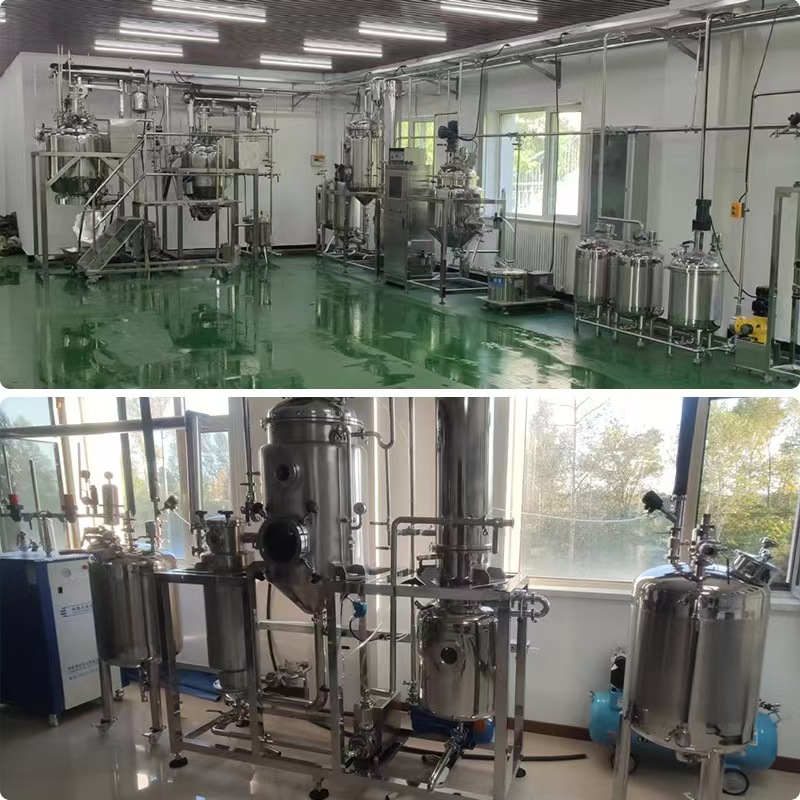
Contact Us
Please feel free to send us the related flowchart and any additional requirements at your convenience by email (info@bioland-china.com). We will respond promptly with our professional technical proposal and quotation accordingly.Looking forward to your further news and establishing long-term cooperation with you or your esteemed company.
Related Cases
MORE >-
![Latest Project Deliveries -100L Hastelloy Reactor for Highly Corrosive Systems]()
Latest Project Deliveries -100L Hastelloy Reactor for Highly Corrosive Systems
100L Hastelloy Reactor for Highly Corrosive Systems
-
![ultrasound-assisted polysaccharide extraction]()
ultrasound-assisted polysaccharide extraction
ultrasound-assisted polysaccharide extraction
-
![Non-Customized glass reactors - research on high viscosity flow field]()
Non-Customized glass reactors - research on high viscosity flow field
Research on High viscosity Flow Field of Non Customized Glass Reactor 10000mPas
-
![ultrasonic assisted enzymatic extraction process]()
ultrasonic assisted enzymatic extraction process
ultrasonic assisted enzymatic extraction process
-
![China herbals Extraction Equipment]()
China herbals Extraction Equipment
China herbals Extraction Equipment,herbal extraction tank
-
![Ultrasonic-assisted Extraction Volatile Oil from Rosmarinus officinalis]()
Ultrasonic-assisted Extraction Volatile Oil from Rosmarinus officinalis
ultrasonic-assisted extraction ,Rosmarinus officinalis ,volatile oil
Consultation