




- Home
- >
- Cases
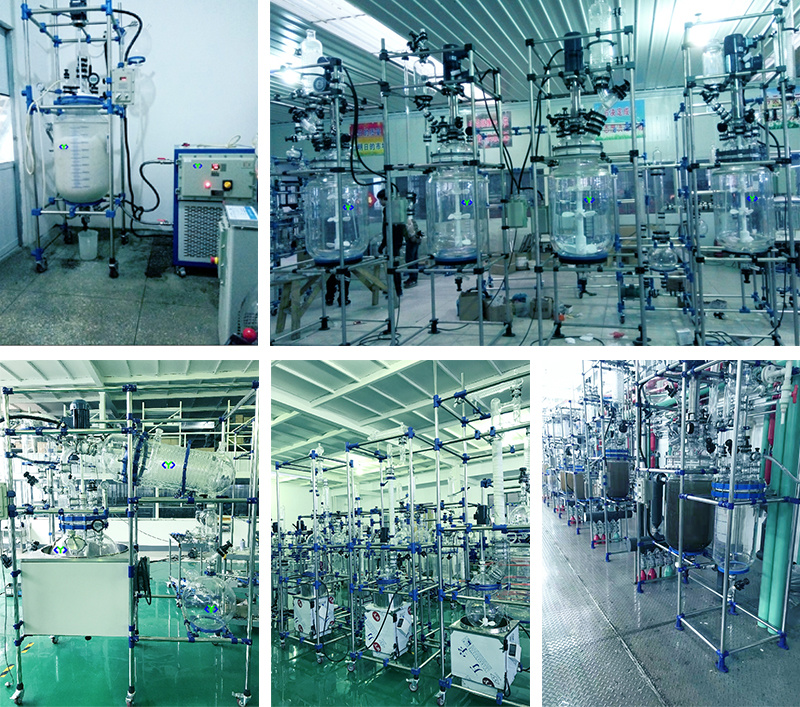
How to operate chemical batch reactor correctly?
Glass reaction kettle is a pressure vessel widely used in petroleum, chemical, rubber, pesticide, dye, medicine, and food industries to complete processes such as vulcanization, nitration, hydrogenation, alkylation, polymerization, and condensation.
Glass reaction kettle is a biochemical instrument. With the development of biopharmaceutical industry, glass reaction kettle will be widely used in modern fine chemical, biopharmaceutical, scientific research and experimental industries. Usually, before installing, using, maintaining, and inspecting a glass reactor, operators must read all the contents of this manual for proper use. Before using a glass reaction vessel, carefully inspect the instrument, such as whether the glass bottle is damaged, whether the interface is consistent, and handle it with care. After use, wipe off all interfaces, wipe off any remaining oil stains, dirt, and solvents on the surface of the machine, and keep it clean. When wiping materials, use a soft cloth, napkin, or paper, and then apply a small amount of vacuum grease.
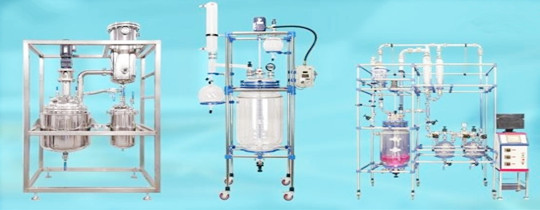
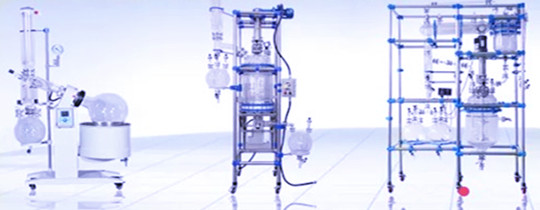
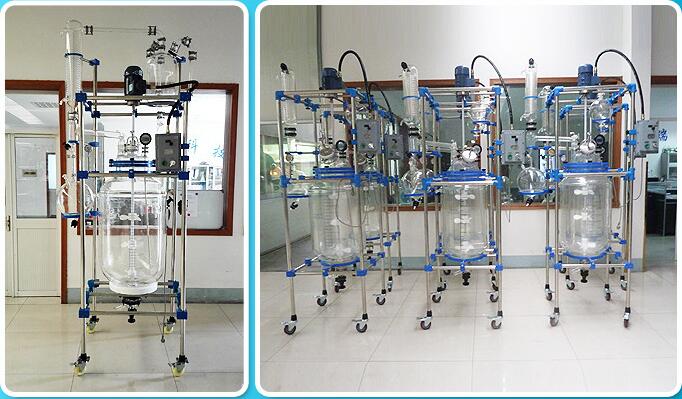
laboratory glass reaction kettle/chemical batch reactor can be used for both high-temperature and low-temperature reactions. The double-layer glass reaction kettle can be evacuated and used for negative pressure reactions. And its unique design makes the experiment safer and more convenient. The glass double-layer reaction vessel is designed with double-layer glass. The inner layer is filled with reaction solvent for stirring reaction, and the interlayer can be connected to different cold and heat sources (frozen liquid, hot water or hot oil) for circulating heating or cooling reaction. Under constant temperature conditions, stirring reactions can be carried out under normal or negative pressure conditions in a closed glass reactor according to usage requirements, and reflux and distillation of reaction solutions can be performed. It is an essential equipment in the laboratory. Below, we will introduce how to use it.
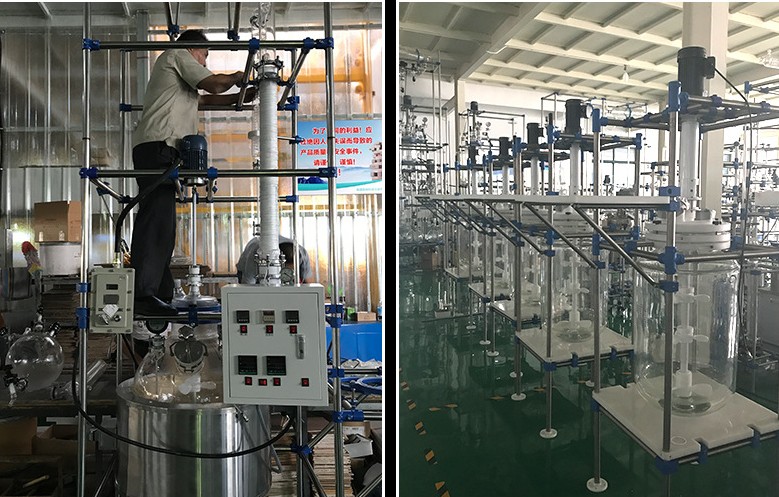
When the glass reaction vessel is filled with reaction medium, it should not exceed 2/3 of the liquid level of the reaction vessel itself; Do not disassemble under pressure during work or at the end of work! It is strictly prohibited for the kettle to work under overpressure or overheating conditions; When heating the jacket heat transfer oil, be careful not to mix water or other liquids when adding heat transfer oil, and check the heat transfer oil level periodically; If there is any abnormal noise inside the isolation sleeve during operation, the machine should be stopped to release pressure and the mixing system should be checked for any abnormalities. Regularly check the swing of the mixing shaft. If the swing is too large, the bearing or sliding shaft sleeve should be replaced in a timely manner; Connect the corresponding voltage according to the usage voltage of the controller, single-phase 220V, three-phase 380V. The live and neutral wires of the controller should not be reversed; Do not perform wiring work on transmission lines to prevent electric shock! To ensure the normal operation of the controller and the personal safety of the staff, please ground it! The controller itself is not explosion-proof and should avoid flammable and explosive environments such as oil and gas; When determining the reaction temperature, it is not allowed to change the temperature setting during the heating process to avoid excessive temperature overshoot.
In addition, after the glass reactor is closed, the PTFE switch should be released. If the PTFE piston is in working condition for a long time, it will deform and the glass is prone to damage. Each interface should not be too tight. It should be released regularly to avoid long-term locking that may cause the joint to get stuck.
The operator must regularly clean the sealing ring. The specific method is to remove the sealing ring, check for dirt on the shaft, wipe it with a soft cloth, apply a small amount of vacuum grease, and then reinstall it to keep the shaft and sealing ring smooth. In addition, electrical components must not be affected by water and moisture. During the maintenance of glass reaction vessels, it is necessary to cut off the power and water sources to prevent safety accidents. In addition, users must purchase genuine accessories from the original factory. Random use of other attachments may cause fatal damage to the machine and shorten its lifespan. Proper use of equipment can ensure the normal operation of glass reaction vessels, while mastering troubleshooting methods can reduce the occurrence of accidents.
1、 Maintenance and safety of laboratory glass reaction kettle
1. The laboratory glass reaction kettle should be operated strictly according to the working pressure and temperature specified on the product nameplate to avoid danger;
2. Strictly follow the regulations on cooling, oil injection, and other aspects in the product manual, and do a good job in equipment maintenance and upkeep;
3. When using all valves, the valve stem should be slowly rotated to tightly press the cover to achieve a sealing effect. Do not apply too much force when closing to avoid damaging the sealing surface;
4. The electrical control instruments of the laboratory glass reaction kettle should be operated by a dedicated person and overload protection facilities should be set up according to regulations.
5. The operators and maintenance personnel of laboratory glass reaction vessels should remove hard objects such as watches and rings during operation or maintenance to avoid damage to glass components, especially diamond rings, which can cause fatal injuries to glass components even if they are lightly touched.
2、 Common Malfunctions and Causes of Laboratory Glass Reactors
1. Turn on the power switch, the indicator light does not light up: if the external power supply is not connected or has poor contact, please have a professional electrician check the power supply and socket;
2. Short circuit of fuse: Place the power switch in the OFF position and replace the fuse;
3. The power indicator light is on, but it is not rotating: the rotating shaft is rusted and should be stopped from use. Contact the supplier. Motor and electrical box malfunction, seven core plug not connected, reconnect seven core plug;
4. Vacuum suddenly disappears: glass has cracks, switch is damaged. Check glass components and replace switch;
5. There is vacuum, but it cannot be drawn: the sealing ring is worn, and the vacuum switch is leaking. Please replace the sealing ring and switch;
6. Sometimes there is no vacuum: there is dirt on the steel shaft and the connector is loose. Please remove the dirt and check the vacuum gauge and vacuum pump;
7. Vacuum hose aging: Please replace the vacuum hose.
The above is an introduction to the use of the laboratory double-layer glass reaction kettle for your reference!
How to install and use glass reaction vessels correctly
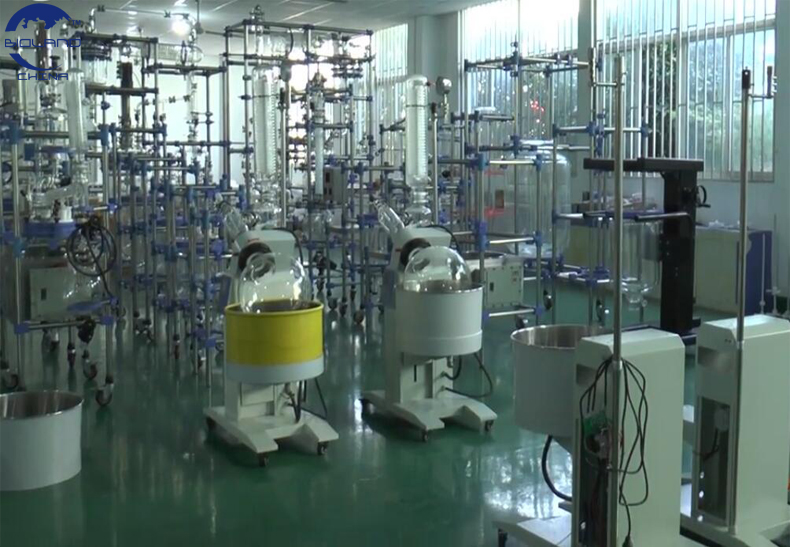
1. The chemical batch reactor should be placed indoors. When equipping multiple reactors, they should be placed separately. Each operating room should have an exit directly leading to the outside or passage, and the equipment grounding point should be ensured to have good ventilation.
2. When installing the kettle cover, it is necessary to prevent the sealing surfaces between the kettle body and the kettle cover from colliding with each other. Carefully place the kettle lid in a fixed position on the kettle body, and when tightening the main nut, it must be tightened diagonally and symmetrically in multiple steps. Apply even force and do not allow the kettle lid to tilt to one side to achieve a good sealing effect.
3. At the joint of the positive and negative nuts, only the positive and negative nuts are allowed to be rotated, and the sealing surfaces of the two circular arcs must not be rotated relative to each other. When all nut pattern connections are assembled, lubricating oil should be applied.
4. The needle valve system is sealed with a thread. Simply rotate the valve needle gently and press the cover tightly to achieve a good sealing effect.
5. Rotate the rotating body on the kettle by hand to check if it operates flexibly.
6. The controller should be placed flat on the operating platform, with a working environment temperature of 10-40 ℃ and a relative humidity of less than 85%. The surrounding medium should not contain conductive dust or corrosive gases.
7. Check whether the movable parts and fixed contacts on the panel and back panel are normal, remove the cover, and check whether the connector contacts are loose, whether there is damage or rust caused by poor transportation and storage.
8. The controller should be reliably grounded.
9. Connect all wires, including power lines, electric furnace lines between the controller and the kettle, motor lines, temperature sensor and speedometer wires.
10. Close the "power" air main switch on the panel, and the digital display should show.
11. Set various parameters (such as upper limit alarm temperature, working temperature, etc.) on the digital display, then press the "heating" switch to turn on the electric furnace, and the indicator light on the "heating" switch will light up. Adjust the "pressure adjustment" knob to adjust the heating power of the electric furnace.
12. Press the "Mixing" switch to power on the mixing motor, and at the same time, the indicator light on the "Mixing" switch will light up. Slowly turn the "Speed Control" knob to make the motor rotate slowly, observe whether the motor is rotating in the forward direction, and when there is no error, stop the machine, hang the belt, and restart.
13. After the operation is completed, it can be cooled naturally, cooled with water, or placed on a bracket for air cooling. After the temperature drops, release the pressurized gas inside the kettle to reduce the pressure to atmospheric pressure (the pressure gauge shows zero). Then, loosen the main nut symmetrically and evenly, remove the main nut, and carefully remove the kettle cover and place it on the bracket.
14. After each operation, the residue on the kettle body and lid should be removed. The main seal should be cleaned regularly and kept clean. It is not allowed to wipe it with hard objects or rough surfaces.
Maintenance and upkeep after use
1. Cleaning process
1) Conventional cleaning: After the reaction is complete, rinse the kettle wall and stirring blade with solvents (such as ethanol, acetone) while hot, and then rinse with deionized water to avoid material solidification residue.
2) Stubborn stain treatment: If there are polymer or inorganic salt lumps, they can be gently brushed with a soft bristled brush and dilute acid. It is strictly prohibited to use hard objects to scratch the glass surface.
3) Drying treatment: When not in use for a long time, the inside and interlayer of the kettle should be wiped dry to avoid moisture causing aging of the sealing ring or mold on the glass.
2. Component maintenance
1) Sealing ring replacement: Regularly check the PTFE sealing ring. If there is deformation, hardening, or wear (such as leakage at the seal), it should be replaced in a timely manner (it is recommended to check every 6 months).
2) Motor maintenance: Keep the motor cooling holes clean to avoid poor heat dissipation caused by dust accumulation, and add lubricating grease once a year.
3) Storage of glass components: When unused for a long time, glass components need to be stored separately to avoid collision. Vaseline can be applied to the interface to prevent adhesion.
3. Record keeping and inspection
1) Usage record: Detailed records of temperature, pressure, material type, and operating time used each time, for easy traceability of equipment status and fault analysis.
2) Regular inspection: Check equipment circuits, pipeline interfaces, and control systems weekly, and replace aging circuits or damaged components in a timely manner.
Special scenario precautions
1. High temperature reaction: When the temperature exceeds 200 ℃, high-temperature resistant heat transfer oil (such as dimethyl silicone oil) should be used, and the inspection cycle of the sealing ring should be shortened (it is recommended to check once every 3 months).
2. Low temperature reaction: When using low-temperature media below -40 ℃, it is necessary to confirm the low-temperature resistance of the circulating pump to avoid freezing and cracking of the pump body.
3. Vacuum distillation: During the distillation process, the heating rate should be controlled to avoid boiling, and the vacuum degree should be monitored to prevent backflow.
By strictly adhering to the above specifications, the safety and experimental efficiency of glass reaction vessels can be effectively improved, and the service life of the equipment can be extended. If encountering complex operations or equipment failures, it is recommended to refer to the manual or contact professional technicians for handling.
Related Cases
MORE >-
![ultrasonic assisted extraction of tea seed protei]()
ultrasonic assisted extraction of tea seed protei
ultrasonic assisted extraction of tea seed protei
-
![Rosemary extraction technological process]()
Rosemary extraction technological process
Rosemary extraction technological process
-
![ultrasonic-assisted extraction Curcumin]()
ultrasonic-assisted extraction Curcumin
ultrasonic-assisted extraction Curcumin Technology
-
![Ultrasonic Extraction Process of Licorice]()
Ultrasonic Extraction Process of Licorice
Ultrasonic Extraction Process of Licorice
-
![What is a closed loop extractor?]()
What is a closed loop extractor?
What is a closed loop extractor?
-
![Industrial Freeze Dryer Lyophilizer for Pharma&Biological]()
Industrial Freeze Dryer Lyophilizer for Pharma&Biological
Industrial Freeze Dryer Lyophilizer
Consultation