




- Home
- >
- Cases
ultrasonic assisted extraction of tea seed protei
ultrasound assisted extraction of tea seed protein technology
Ultrasonic waves generate cavitation bubbles (formed, grown, and ruptured instantly) when propagating in liquids, through strong impact forces and micro jet effects:
Breaking the cell wall of tea seed meal to release internal proteins;
Increase the solid-liquid contact area to accelerate the dissolution of proteins in alkaline solutions;
Ultrasound assisted extraction of tea seed protein is an efficient extraction technique that utilizes the cavitation, mechanical, and thermal effects of ultrasound to disrupt the structure of tea seed cells and accelerate protein dissolution. Compared with traditional methods, it has the advantages of short extraction time, low energy consumption, and high protein extraction rate.
You can refer our ultrasonic herbal extraction test video :https://youtube.com/shorts/c4zLXaO6pas
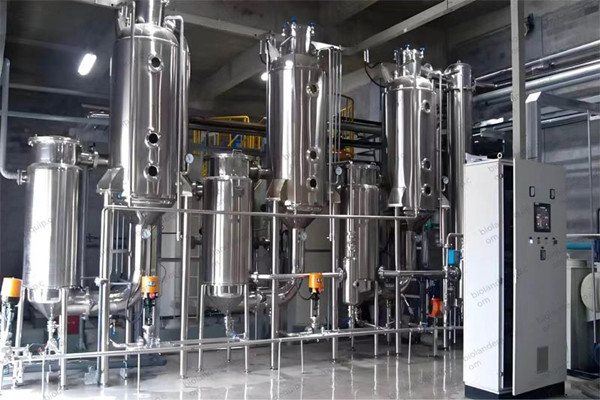
The following is the core technical information:
1、 Technical principlesUltrasonic waves generate cavitation bubbles (formed, grown, and ruptured instantly) when propagating in liquids, through strong impact forces and micro jet effects:
Breaking the cell wall of tea seed meal to release internal proteins;
Increase the solid-liquid contact area to accelerate the dissolution of proteins in alkaline solutions;
Reduce the temperature requirement for extraction and minimize the risk of protein denaturation.
Detailed process flow of ultrasound assisted extraction of tea seed protein
The following outlines the complete process of ultrasonic assisted alkaline extraction acid precipitation method using tea seeds/oil tea seed meal as raw materials, combined with patent level process optimization (including key operational details):
1、 Raw material pretreatment (the basis for determining extraction efficiency)
Raw material selection: Select the by-products of tea production (tea seed cake) or the residue of pressed oil tea seeds (tea seed meal), with a moisture content of ≤ 12% and no mold or impurities.
Crushing and sieving: Crush the tea seed meal to 60-80 mesh (particle size 0.18-0.25mm), seal and store after sieving to avoid moisture absorption and clumping.
Key details: The finer the particle size, the more complete the cell fragmentation, and the extraction rate is increased by 10% -15%. However, being too fine (>100 mesh) will increase the difficulty of subsequent centrifugation.
2、 Enzymatic pretreatment (optional, improves protein purity)
If high-purity protein (such as food grade) is required, it is recommended to add an enzymatic hydrolysis step to break the binding between the protein and the cell wall:
Adjust pH: Mix the crushed tea seed meal with deionized water at a ratio of 1:10 (solid: liquid), and adjust the pH to 7.25-7.30 (adjusted with NaOH or HCl).
Enzymatic hydrolysis reaction: Add compound plant hydrolytic enzyme (enzyme dosage is 0.04% -0.05% of the raw material mass), and hydrolyze in a water bath at 65-70 ℃ for 3-3.5 hours.
Enzyme inactivation and residue removal: Heat at 100 ℃ for 10 minutes to inactivate the enzyme, centrifuge (4000rpm, 20 minutes), discard the supernatant, and retain the centrifuge residue for subsequent extraction.
Advantages: Enzymatic hydrolysis can remove some non protein impurities, resulting in a 5% -8% increase in protein purity.
3、 Ultrasound assisted alkaline extraction (core step, determining extraction rate)
Alkali solution preparation: Adjust deionized water to pH 10.0-10.5 (concentration about 0.5% -1.0%) with NaOH solution, and mix it with centrifugal residue in a solid-liquid ratio of 1:6-7 (solid: liquid).
Ultrasound parameter settings:
Frequency: 35kHz (strongest cavitation effect, suitable for tea seed cell structure);
Power: 300-800W (adjusted according to equipment to avoid protein thermal denaturation caused by>1000W);
Temperature: 40-45 ℃ (water bath temperature control to prevent protein denaturation when temperature exceeds 50 ℃);
Time: 80-90 minutes (2-3 ultrasound sessions, 20 minutes each, with a 10 minute interval to avoid local overheating).
Centrifugal separation: After ultrasonic treatment, centrifuge at 4000-6000rpm for 20-30 minutes, take the supernatant (containing soluble tea seed protein), discard or recover the precipitate.
Key details: Continuous stirring is required during the ultrasonic process to ensure uniform contact between solid and liquid; PH needs to be monitored in real-time to avoid pH drop caused by alkali volatilization.
4、 Acid precipitation purification (separation of proteins and impurities)
Adjust isoelectric point: Slowly add dilute hydrochloric acid (HCl) to the supernatant, monitor the pH while stirring, and adjust it to 4.6 (the isoelectric point of tea seed protein, at which point the protein solubility is the lowest and easy to precipitate).
Static precipitation: Let it stand at room temperature (around 25 ℃) for 1-1.5 hours to allow the protein to fully coagulate and precipitate.
Centrifugal collection: Centrifuge at 4000rpm for 20 minutes, discard the supernatant (containing salt and small molecule impurities), and collect the precipitate (crude tea seed protein).
Key details: When adjusting pH, it is necessary to slowly add acid to avoid local over acidification that may cause protein to "wrap" impurities; Insufficient standing time can lead to protein loss.
5、 Drying and finished products (determining protein morphology and storage properties)
Washing and desalination: Wash the protein precipitate 2-3 times with deionized water to remove residual acidity and alkalinity until the pH of the washing solution is approximately 7.
Drying treatment:
Food grade: Using freeze-drying (-40 ℃, 48 hours) to obtain white loose protein powder (protein content ≥ 76%, solubility>90%);
Feed grade: spray drying (inlet air temperature 180 ℃, outlet air temperature 80 ℃) can be used to obtain granular protein powder (lower cost, but slightly lower solubility).
Packaging and storage: Sealed and protected from light, stored in a dry environment at room temperature, with a shelf life of 12 months.
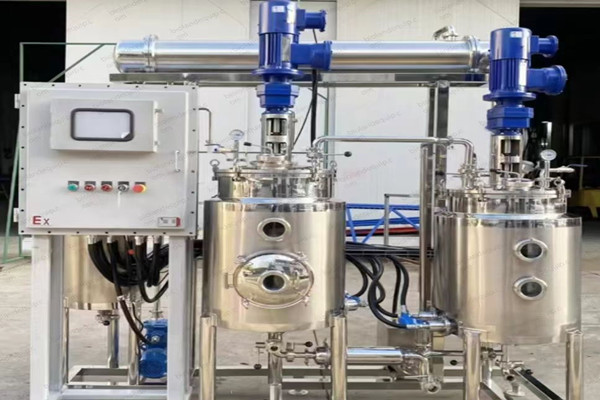
The following is the specific operation process for small-scale (10-100L/batch) extraction of tea seed protein in the laboratory, covering the entire process from raw material pretreatment to finished product drying, adapting to process research and development, parameter optimization, and small-scale sample preparation requirements:
1、 Raw material pretreatment (1-2 hours)
1. Crushing and sieving of tea seed meal
Operation: Take dry and mold free tea seed meal (tea/oil tea production byproduct, moisture ≤ 12%), put it into a universal crusher, grind it to 60-80 mesh (particle size 0.18-0.25mm), pass it through a 0.25mm sieve, and collect qualified fine powder.
Key details: Intermittent heat dissipation is required during the crushing process to avoid clumping of fine powder; After sieving, seal and store to prevent moisture absorption.
2. Initial pH adjustment (optional, for enzymatic pretreatment)
Operation: Weigh 50g of crushed tea seed meal, add 500mL of deionized water (material to liquid ratio 1:10), stir and dissolve, adjust the pH to 7.25-7.30 with a precision pH meter (adjust with 0.1mol/L NaOH or HCl).
Key details: If the enzymatic hydrolysis step is skipped, this step can be omitted and proceed directly to the alkaline extraction stage.
2、 Enzymatic pretreatment (optional, improves protein purity, 2-3 hours)
1. Enzymatic hydrolysis reaction
Operation: Add composite plant hydrolase (enzyme dosage of 0.04% -0.05% of the raw material mass, i.e. 20-25mg enzyme) to the tea seed meal suspension with pH 7.25-7.30, and place it in a constant temperature water bath for enzymatic hydrolysis at 65-70 ℃ for 3-3.5 hours.
Key details: Intermittent stirring is required during the enzymatic hydrolysis process (stirring for 5 minutes every 30 minutes) to ensure sufficient contact between the enzyme and the substrate.
2. Enzyme inactivation and centrifugal slag removal
Operation: After enzymatic hydrolysis, transfer the suspension to a water bath and heat at 100 ℃ for 10 minutes to inactivate the enzyme; After cooling to room temperature, centrifuge with a desktop freeze centrifuge (4000rpm, 20 minutes), discard the supernatant, and retain the centrifuge residue (for subsequent alkaline extraction).
3、 Ultrasound assisted alkaline extraction (core process, 1.5-2 hours)
1. Preparation and mixing of alkaline solution
Operation: Weigh 50g of enzymatically hydrolyzed tea seed meal residue (or raw residue without enzymatic hydrolysis), add 300-350mL of 0.5% -1.0% NaOH solution (material to liquid ratio 1:6-7), stir and adjust the pH to 10.0-10.5.
2. Ultrasonic extraction
Equipment settings: Transfer the mixed liquid to a 5L ultrasonic extractor (such as KQ-500DE), set parameters:
Frequency: 35kHz;
Power: 300-500W (adjusted according to equipment to avoid protein thermal denaturation caused by>800W);
Temperature: 40-45 ℃ (requires opening a constant temperature water bath and real-time monitoring of temperature);
Time: 80-90 minutes (divided into 3 ultrasound sessions, each lasting 20 minutes, with a 10 minute interval to avoid local overheating).
Key details: Continuous magnetic stirring (200-300rpm) is required during the ultrasonic process to ensure uniform contact between solid and liquid; Take samples every 20 minutes to test the pH. If the pH drops due to the evaporation of alkaline solution, a small amount of NaOH solution should be added.
4、 Acid precipitation purification (1-1.5 hours)
1. Regulate isoelectric point precipitation protein
Operation: Slowly add 0.1mol/L dilute hydrochloric acid (HCl) to the supernatant, monitor with a pH meter while stirring, and adjust to pH 4.6 (isoelectric point of tea seed protein, at which point the protein solubility is the lowest and easy to precipitate).
Key details: The acid addition rate should be controlled at 1-2mL/min to avoid local over acidification causing protein to "wrap" impurities; If the volume of the supernatant is large, acid can be added multiple times to ensure uniform pH.
2. Static and centrifugal collection of sediment
Operation: After adjusting the pH to 4.6, let it stand at room temperature (around 25 ℃) for 1-1.5 hours to allow the protein to fully coagulate and precipitate; Centrifuge with a centrifuge (4000rpm, 20 minutes), discard the supernatant (containing salt and small molecule impurities), and collect white protein precipitate (about 5-8g, protein content ≥ 70%).
5、 Drying and finished product preparation (2-24 hours, depending on the drying method)
Method 1: Freeze drying (food grade, high purity)
Operation: Transfer the protein precipitate to a freeze dryer (such as LGJ-10F), pre freeze at -40 ℃ for 4 hours, adjust the vacuum degree to ≤ 10Pa, sublime dry for 48 hours, and obtain white loose protein powder (protein content ≥ 76%, solubility>90%).
Key details: Pre freezing should be sufficient to avoid protein denaturation during the drying process; After drying, nitrogen gas should be filled under vacuum to prevent protein oxidation.
Method 2: spray drying (feed grade, low cost)
Operation: adjust the protein precipitation into a 10% -20% suspension with deionized water, and transfer it to a mini spray dryer (such as Y-600). The inlet air temperature is 180 ℃, the outlet air temperature is 80 ℃, and dry for 2-3 hours to obtain granular protein powder (protein content ≥ 65%, solubility>70%).
Key details: The feeding speed should be controlled at 5-10mL/min to avoid uneven drying caused by large droplets.
6、 Finished product testing and storage
Testing indicators:
Protein content (Kjeldahl method, ≥ 70%);
Solubility (10g protein dissolved in 100mL water, stirred for 10 minutes, clear liquid transmittance ≥ 80%);
Ash content (≤ 5%, reflecting impurity content).
Storage conditions: Sealed and away from light, in a dry environment at room temperature (humidity ≤ 60%), with a shelf life of 12 months.
Key considerations for laboratory
Parameter optimization: Different tea seed varieties (tea seeds, oil tea seeds) have different cell structures, and a small orthogonal experiment needs to be conducted first to optimize parameters such as ultrasound power and extraction time;
Safety protection: When operating NaOH and HCl, acid and alkali resistant gloves and goggles should be worn, and the operation should be carried out in a fume hood;
Cost control: if only feed grade protein is needed, the enzymatic hydrolysis step can be omitted and spray drying can be used instead to reduce equipment and time costs.
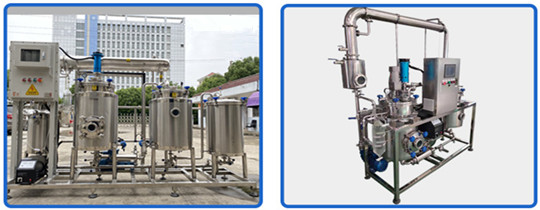
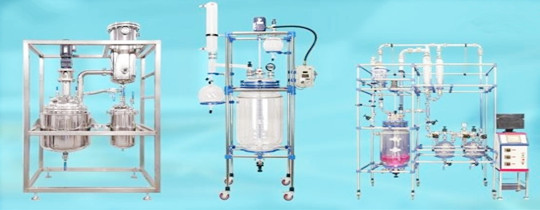
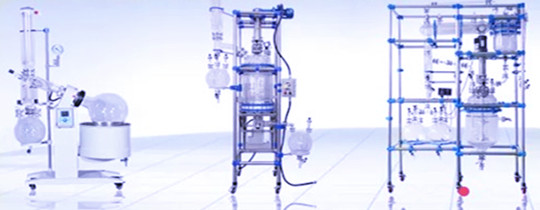
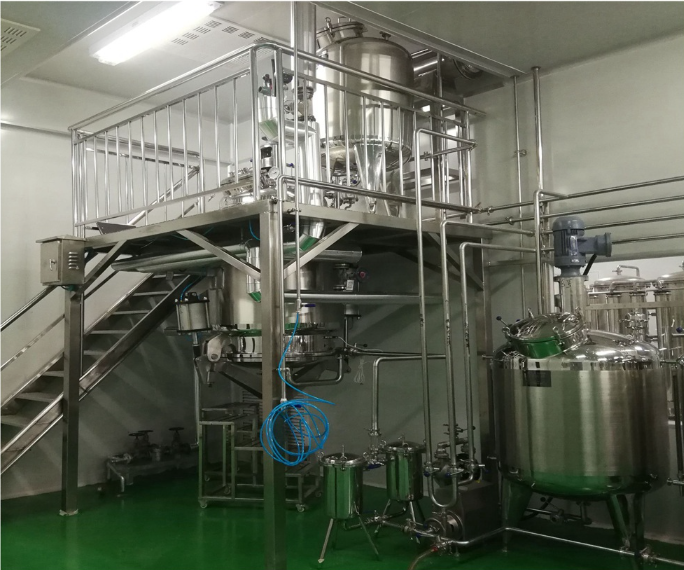
The core equipment for ultrasound assisted extraction of tea seed protein needs to cover four major stages: raw material pretreatment, ultrasound extraction, separation and purification, and drying and shaping. The following are the key equipment and selection points for each stage:
1、 Raw material pretreatment equipment
Crusher (Hammer/Universal Crusher)
Function: Crush tea seed meal to 60-80 mesh (particle size 0.18-0.25mm) to ensure cell fragmentation efficiency.
Key selection points: adjustable discharge particle size, production capacity ≥ 100kg/h (suitable for small/medium scale trials), motor power ≥ 2.2kW.
Vibrating screen (linear vibrating screen)
Function: Screen tea seed meal that meets the particle size requirements and remove coarse particles that have not been crushed.
Selection key points: sieve aperture 0.25mm (80 mesh), screening efficiency ≥ 90%, suitable for continuous production.
PH meter (online/portable)
Function: Accurately adjust the pH value of the raw material suspension (enzymatic hydrolysis pH 7.25-7.30, alkaline extraction pH 10.0-10.5).
Selection key points: accuracy ± 0.01pH, corrosion resistance (suitable for alkaline environment), support for continuous monitoring.
2、 Ultrasonic extraction core equipment
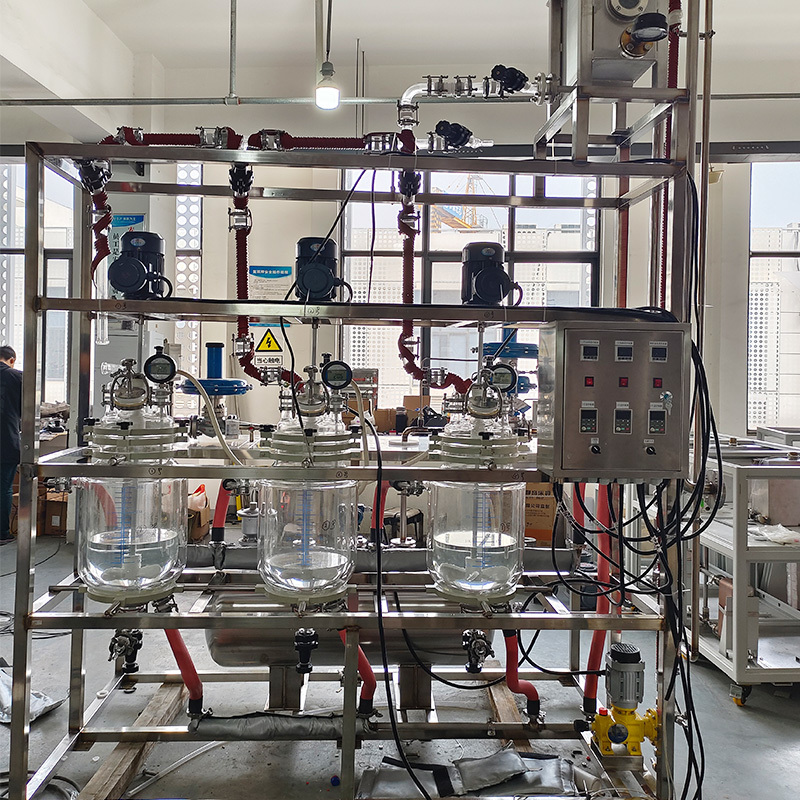
Ultrasonic extractor (core equipment)
Function: To break down cells through cavitation effect and accelerate protein dissolution.
Key parameters:
Frequency: 35kHz ± 1kHz (adapted to the structure of tea seed cells, with the strongest cavitation effect);
Power: 300-1000W (adjusted according to the extraction scale to avoid protein thermal denaturation caused by>1000W);
Temperature control: A constant temperature water bath system (40-45 ℃, accuracy ± 1 ℃) is required to prevent protein denaturation.
Selection suggestion:
Small scale test (≤ 1L): Laboratory type ultrasonic extractor (such as KQ series), power 200-500W;
Pilot/mass production (10L-100L): Industrial ultrasonic extractor (such as SC series), power 1-5kW, supports continuous cycle extraction.
Magnetic stirrer/mechanical stirrer
Function: Continuous stirring during the ultrasonic process ensures uniform contact between solid and liquid, avoiding local overheating.
Selection points: Adjustable speed (200-800rpm), suitable for ultrasonic groove size.
3、 Separation and purification equipment
Centrifuge (desktop/floor standing)
Function: Separate the supernatant (protein solution) and residue after ultrasonic extraction, as well as the protein precipitate after acid precipitation.
Key parameters:
Speed: 4000-6000rpm (suitable for tea seed protein particle size);
Capacity: 1000-2000mL centrifuge tubes are selected for small-scale testing, and 5-20L high-capacity centrifuges are selected for pilot testing.
Selection suggestion: Priority should be given to low-speed freeze centrifuges (running at 4 ℃) to reduce the risk of protein thermal denaturation.
PH regulation system (acid/alkali metering pump)
Function: Accurately adjust the alkaline extraction solution (pH 10.0-10.5) and acid precipitation solution (pH 4.6 isoelectric point).
Key selection points: Adjustable flow rate (0.1-10L/min), supporting automatic pH feedback control (reducing manual errors).
4、 Drying and molding equipment
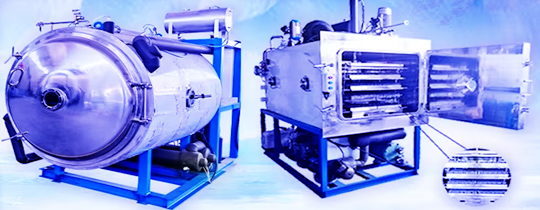
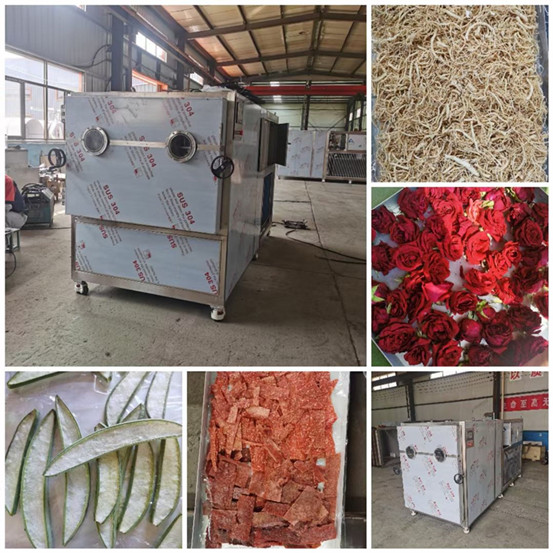
Freeze dryer (freeze dryer)
Function: Dry the protein solution into high-purity protein powder (preferred for food grade).
Key parameters:
Vacuum degree: ≤ 10Pa;
Temperature: -40 ℃~-50 ℃ (low temperature to avoid protein denaturation);
Capacity: 1-5kg/batch for small-scale trials and 20-50kg/batch for pilot trials.
Advantages: The solubility of the obtained protein powder is greater than 90%, making it suitable for food processing.
Spray dryer
Function: Dry the protein solution into granular protein powder (feed grade/low-cost food grade).
Key parameters:
Inlet air temperature: 180 ℃;
Air outlet temperature: 80 ℃;
Feed rate: Suitable for protein solution concentration (10% -20%).
Advantages: High drying efficiency (able to process 10-50kg of solution in 1 hour), but slightly lower protein solubility than freeze-dried powder.
5、 Supporting auxiliary equipment
Thermostatic water bath: provides a stable temperature environment (40-70 ℃) for ultrasonic extraction and enzymatic hydrolysis steps.
Vacuum filtration device: replacing centrifugation, used for preliminary separation of large particle residues (reducing energy consumption).
Stainless steel storage tanks/pipelines: used for the storage and transportation of raw material suspensions and protein solutions (made of food grade 304/316L material).
technical advantage
Compared with traditional alkali dissolution and acid precipitation method:
Improved extraction rate: Under optimal conditions, the extraction rate of tea seed protein reached 89.01%, which is 15% -20% higher than traditional methods;
Efficiency doubled: extraction time reduced to 1.5-2 hours, traditional methods require 4-6 hours
Better quality: Low temperature ultrasound reduces protein thermal denaturation, resulting in better protein solubility and emulsification, suitable for food processing;
Resource utilization: Tea seeds are a byproduct of tea/oil tea production, and this technology can achieve "turning waste into treasure" and reduce production costs
application field
The extracted tea seed protein can be used as:
Food ingredients: protein fortifiers for protein drinks, baked goods, and meat products;
Feed additives: high nutritional value animal feed protein sources;
Industrial raw materials: natural protein based materials for bioplastics and adhesives.
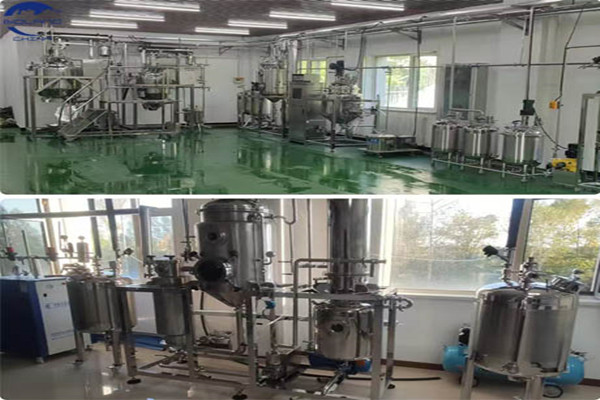
Do you need me to help you organize the experimental design or provide details of ultrasonic assisted extraction of tea seed protei? Please feel free to contact our engineering team via email at any time info@bioland-china.com
Related Cases
MORE >-
![How to operate chemical batch reactor correctly?]()
How to operate chemical batch reactor correctly?
chemical batch reactor,glass reactor system ,chemical batch reactor
-
![Rosemary extraction technological process]()
Rosemary extraction technological process
Rosemary extraction technological process
-
![ultrasonic-assisted extraction Curcumin]()
ultrasonic-assisted extraction Curcumin
ultrasonic-assisted extraction Curcumin Technology
-
![Ultrasonic Extraction Process of Licorice]()
Ultrasonic Extraction Process of Licorice
Ultrasonic Extraction Process of Licorice
-
![What is a closed loop extractor?]()
What is a closed loop extractor?
What is a closed loop extractor?
-
![Industrial Freeze Dryer Lyophilizer for Pharma&Biological]()
Industrial Freeze Dryer Lyophilizer for Pharma&Biological
Industrial Freeze Dryer Lyophilizer
Consultation