
- Home
- >
- Products
- >
- Extraction
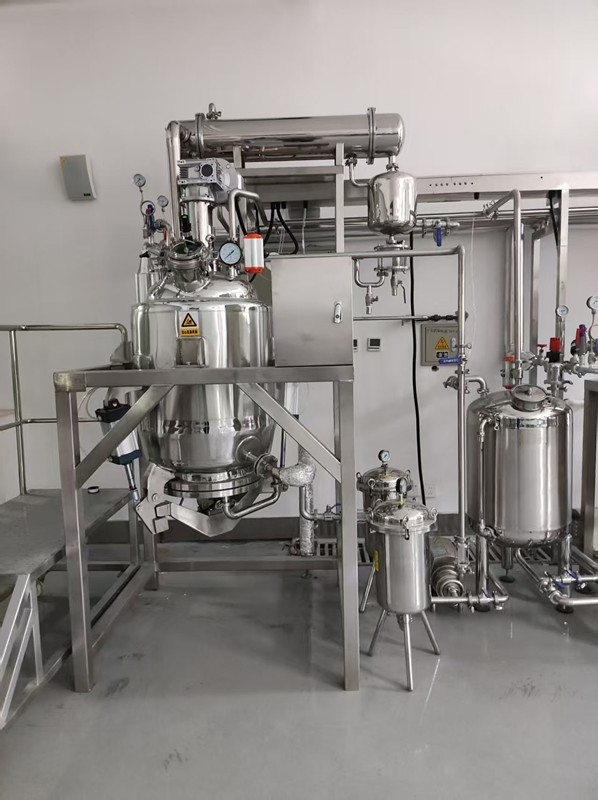
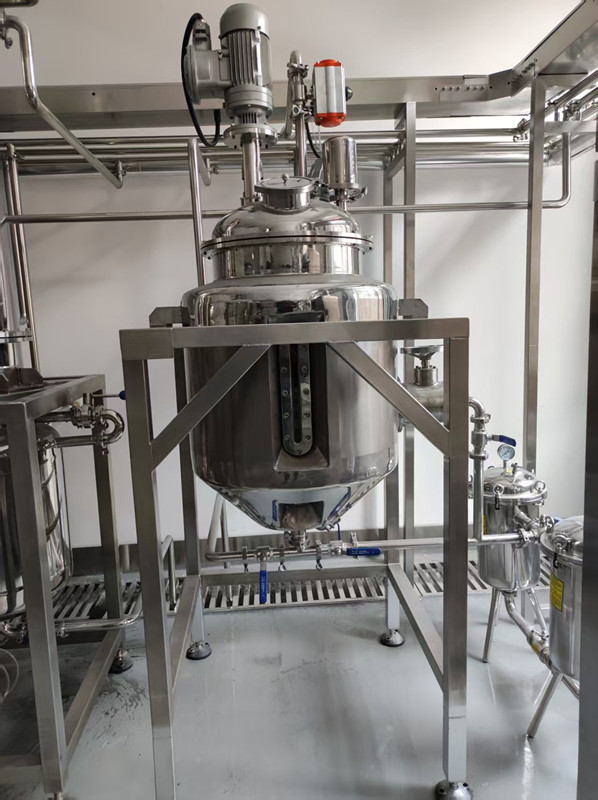
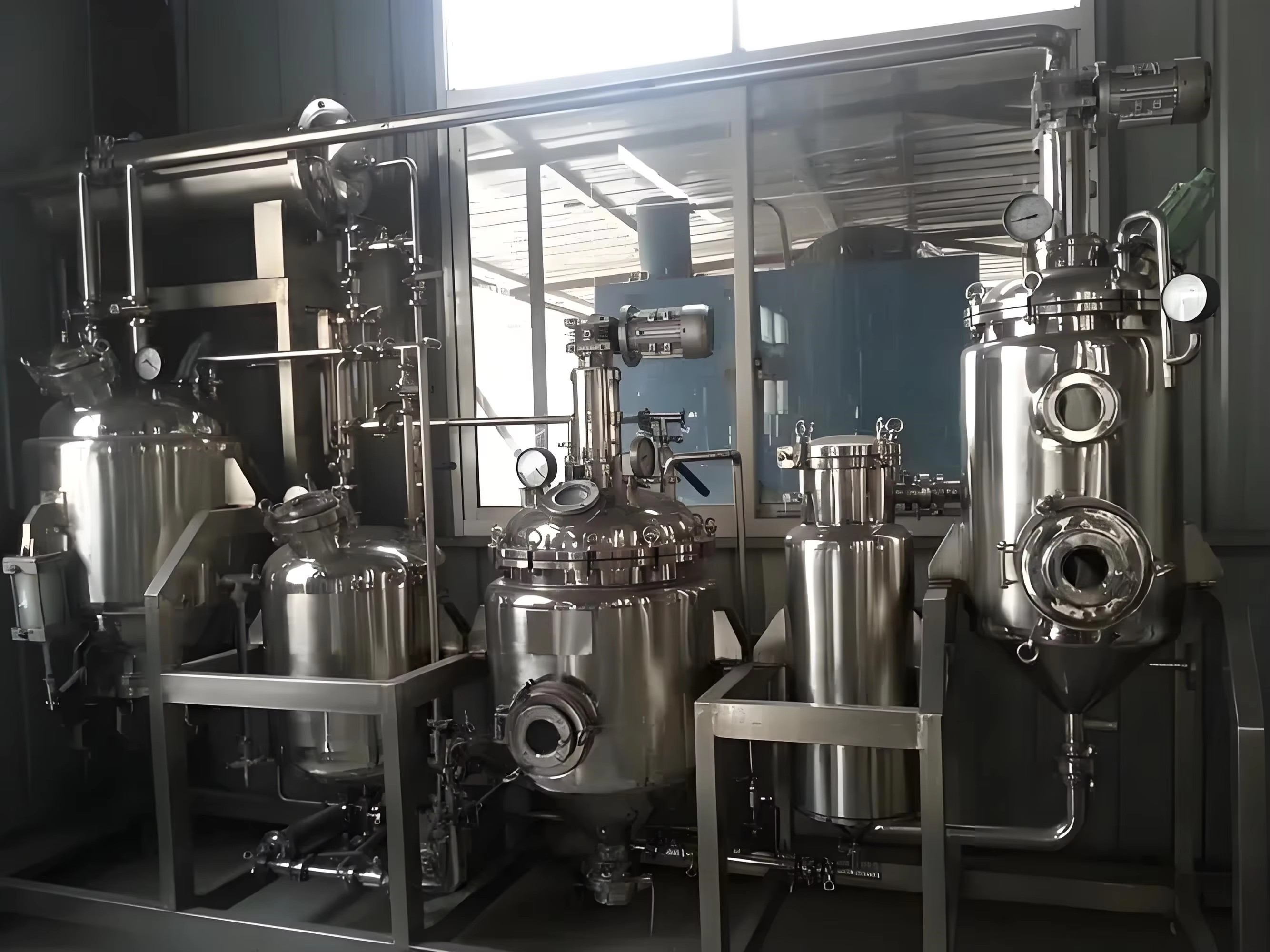
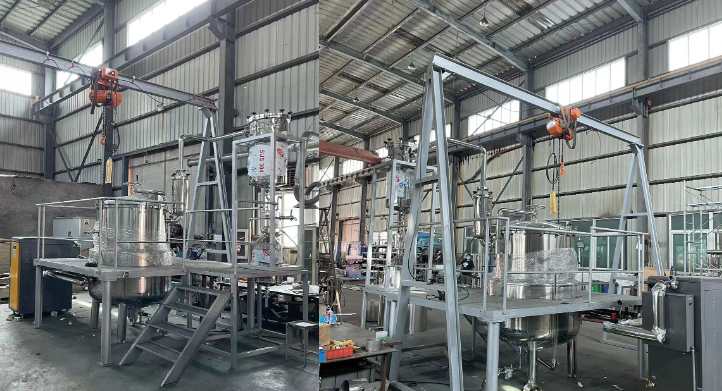
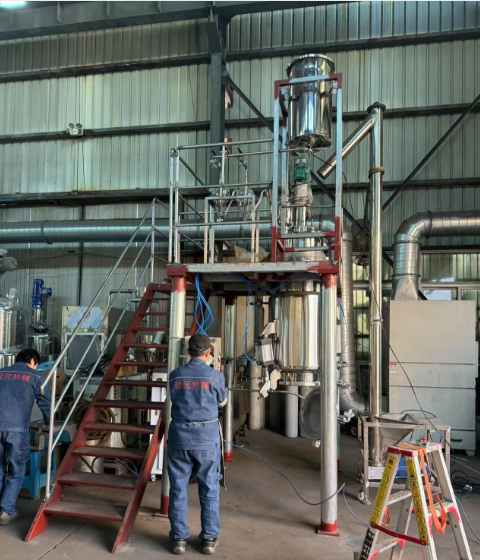
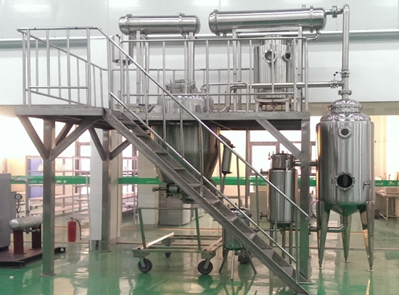
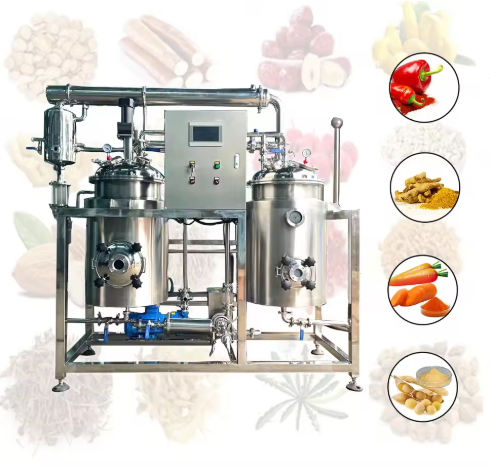
- Multi-functional Extraction Concentration Equipment
alcohol extraction equipment of plants
alcohol extraction equipment of plants
alcohol extraction equipment of plants
Product Detail
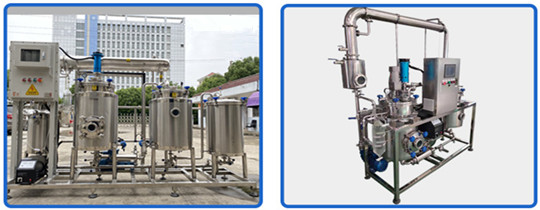
Plant active ingredients (such as flavonoids, saponins, alkaloids) are often extracted using ethanol water mixed solvents due to their good selectivity, high safety, and easy recovery. After extraction, a large amount of ethanol solvent needs to be quickly removed to obtain a high concentration extract, which imposes strict requirements on the low-temperature concentration ability, solvent recovery rate, and thermal sensitive component protection of the equipment. Traditional processes suffer from issues such as high temperature degradation, high energy consumption, and residual ethanol. Therefore, modern equipment generally integrates the integrated function of "extraction concentration solvent recovery"
Alcohol Extraction Process Overview
Alcohol extraction (ethanol extraction) is a common method for isolating bioactive compounds (e.g., flavonoids, alkaloids) from plants. It involves using ethanol as a solvent to dissolve target components, followed by concentration and purification. The key steps include:
- Solvent Selection: Ethanol concentrations typically range from 50% to 95%, depending on compound polarity. For example, 70% ethanol is optimal for flavonoids in ramie root and Astragalus
-
Extraction Methods: Common techniques include reflux extraction, maceration, ultrasound-assisted extraction, and microwave-assisted extraction. Reflux extraction is widely used due to its efficiency
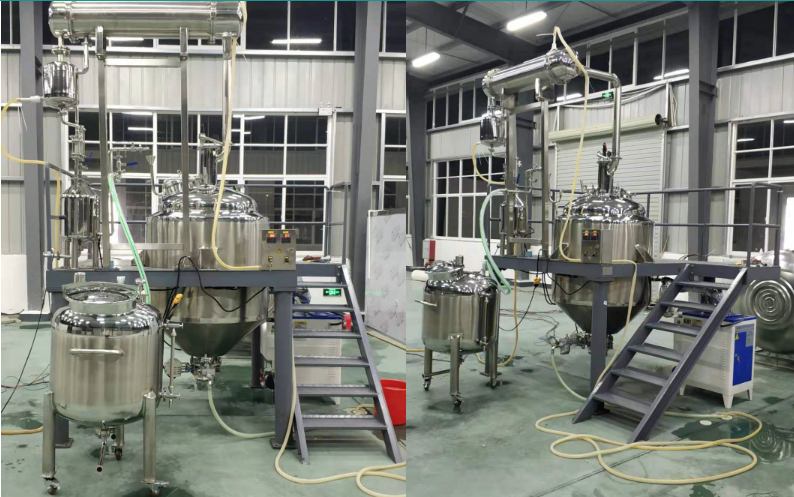
Core Equipment
The process involves multiple stages, each requiring specific equipment:
-
Extraction Equipment:
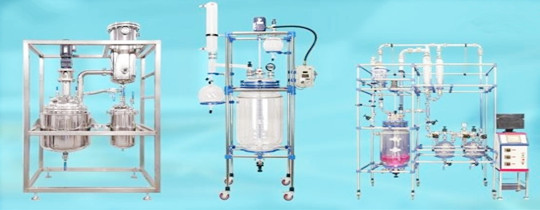
- Multifunctional Extraction Tanks: For large-scale reflux or maceration, with temperature and agitation controls .
- Ultrasonic/Microwave Extractors: Enhance extraction efficiency but require higher investment .
-
Concentration Equipment:
- Rotary Evaporators: Remove ethanol under vacuum at controlled temperatures (e.g., 60–80°C) to preserve heat-sensitive compounds .
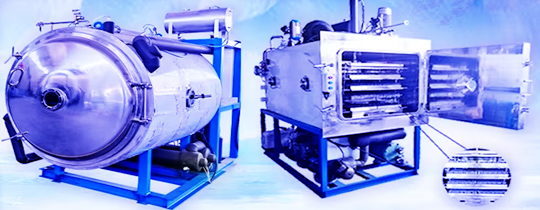
- Vacuum Freeze Dryers: Used for drying extracts into powders while retaining bioactivity .
- Membrane Concentration Systems: Emerging alternative to alcohol precipitation; uses ultrafiltration membranes (e.g., 50,000–800,000 Da MWCO) to concentrate without ethanol, reducing costs and improving safety
-
Separation Equipment:
- Centrifuges: Remove insoluble residues after extraction
- Filter Presses: For preliminary solid-liquid separation
Typical Process Flow
The standardized workflow includes:
- Preparation: Plant material is dried and pulverized to increase surface area.
-
Extraction:
- Ethanol (e.g., 70% concentration) is added at a solid-liquid ratio of 1:7 to 1:24 .
- Heated to 60–90°C for 1–3 hours under reflux
- Filtration: Crude extract is filtered to remove plant residues.
-
Concentration:
- Ethanol is evaporated using rotary evaporators, yielding a semi-solid extract .
- Membrane systems concentrate the extract directly, avoiding ethanol use
-
Purification:
- Alcohol Precipitation: Ethanol is added to precipitate polysaccharides or impurities, followed by centrifugation
-
Freeze-Drying: Concentrated extract is lyophilized into powder for stability
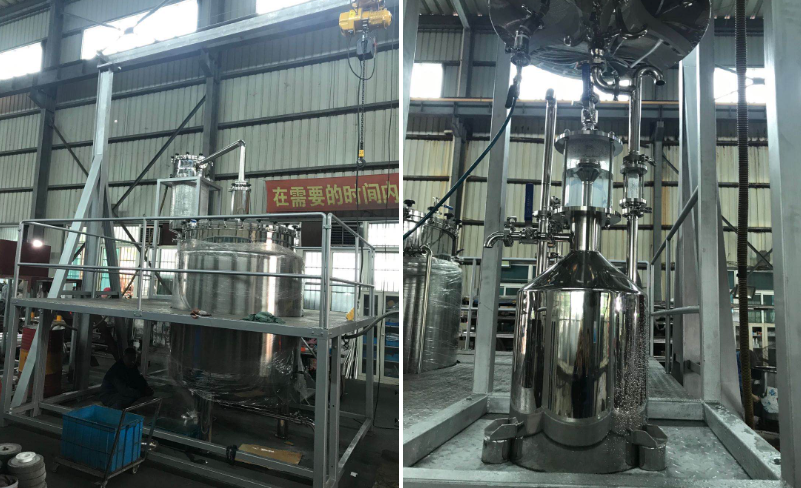
Extraction of natural medicines and active ingredients
Alkaloid extraction (such as berberine)
The ethanol extraction method is easy to operate and the solvent can be recycled, making it suitable for industrial production; The acid water extraction method has become a commonly used industrial method due to its low cost and simple process.
Ultrasound assisted extraction can shorten the time and improve the extraction rate, but the equipment investment is relatively high and there are issues with solvent recovery and energy consumption.
Flavonoids and naphthoquinone compounds
In the extraction of total naphthoquinone from purple grass, the key parameters are ethanol concentration (70%), solid-liquid ratio (1:7), and temperature (90 ℃). After orthogonal experimental optimization, the extraction rate reached 7.45%.
The optimal conditions for alcohol extraction of flavonoids from ramie roots are 70% ethanol and reflux at 90 ℃ for 60 minutes.
Antibacterial and antioxidant components
Bitter melon alcohol extract (70% ethanol combined with n-butanol extraction) has significant antibacterial activity against Escherichia coli and Staphylococcus aureus, and can eliminate H ₂ O ₂.
Ginger gingerol is extracted from ginger using alcohol based low melting point solvents (DES), and its antioxidant activity is temperature regulated. It is easily degraded above 50 ℃.
Food Industry and Natural Additives
Purification of phenolic compounds
Phenolic compounds in coal tar were co extracted using alcohol amine aqueous solutions (such as MEA/DEA/TEA composite solutions), resulting in a 35.1% increase in acidification yield and a 46% reduction in neutral oil carryover.
Development of natural preservatives
Chitosan/polyvinyl alcohol composite film loaded with hematoxylin extract has a 41.6mm inhibition zone against Gram positive bacteria such as Staphylococcus aureus and MRSA, which can extend the shelf life of bread to one month.
Functional oil extraction
Silver based diols replace ionic liquids to efficiently enrich methyl linolenic acid (C18:3) in avocado oil, with high extraction efficiency and stability.
Agriculture and Biopesticides
Botanical insecticides
Plant crude extracts (such as ethanol extracts) have significant biological activity against brown planthopper nymphs and can be used as green pesticide raw materials.
Ethanol concentration and temperature significantly affect the extraction efficiency of anthraquinone glycosides from Polygonum cuspidatum.
Wood modification
Low concentration furfurfuryl alcohol aqueous solution impregnation treatment of poplar and fir wood improves wood size stability and reduces moisture absorption.
Environmental Protection and Resource Recycling Technology
Solvent recovery system
Stainless steel distillation equipment (such as 300L/h unit) is used for the recovery of solvents such as ethanol and methanol, suitable for the separation of flammable solvents, and supports recycling.
Perfluorononenoxyphthalic acid complex can recover high-purity ethanol from low concentration alcohol water solution (treated under reduced pressure at 80-200 ℃).
Utilization of waste biomass
Corn straw alkali extracted hemicellulose (optimal conditions: 10% NaOH, 121 ℃), used for preparing oligosaccharides, purity controlled by alkali concentration
Consultation