
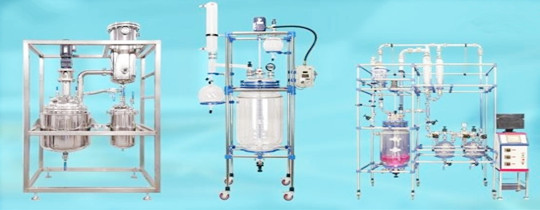

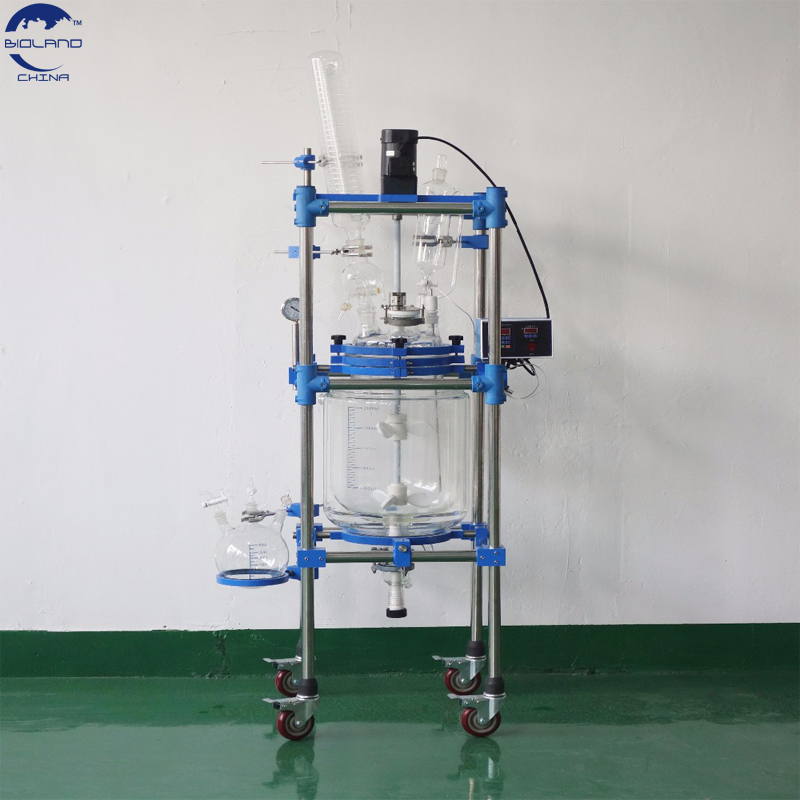
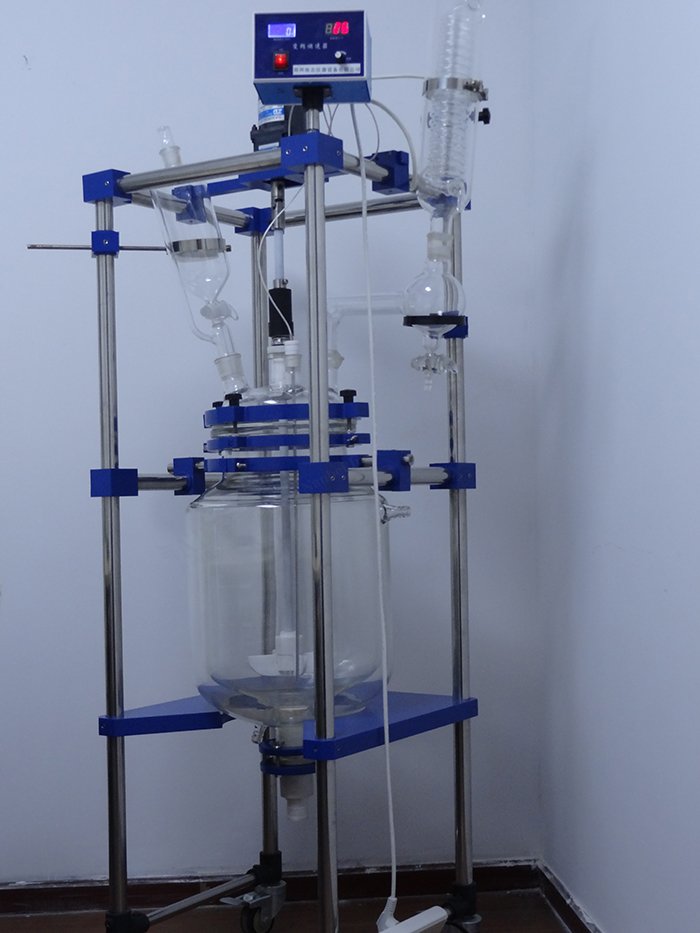
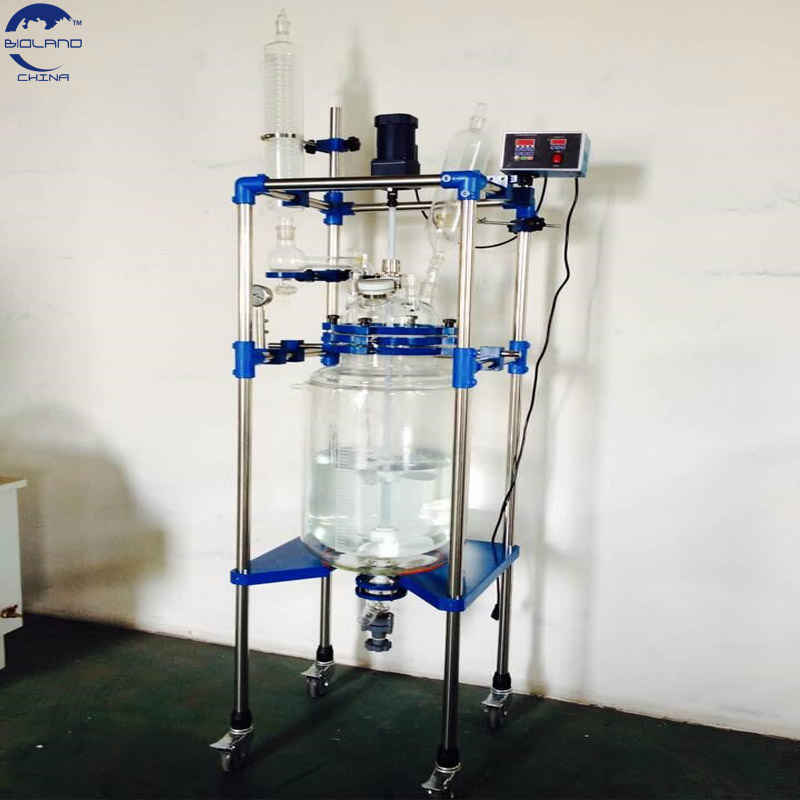
100L chemical glass reactor
chemical glass reactor ,pilot plant glass reactor
chemical glass reactor,glass batch reactor
Product Detail
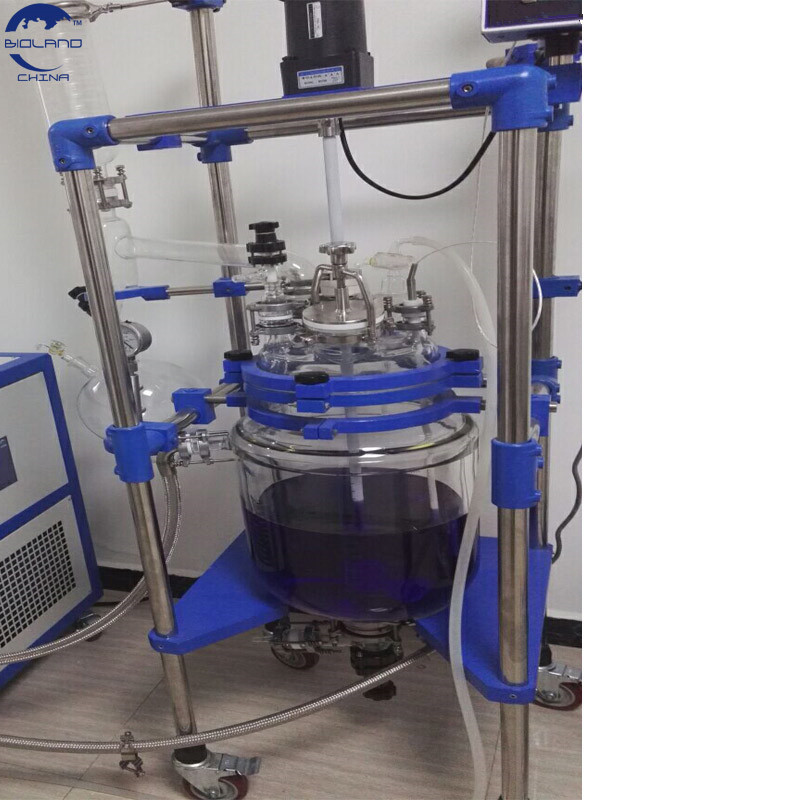
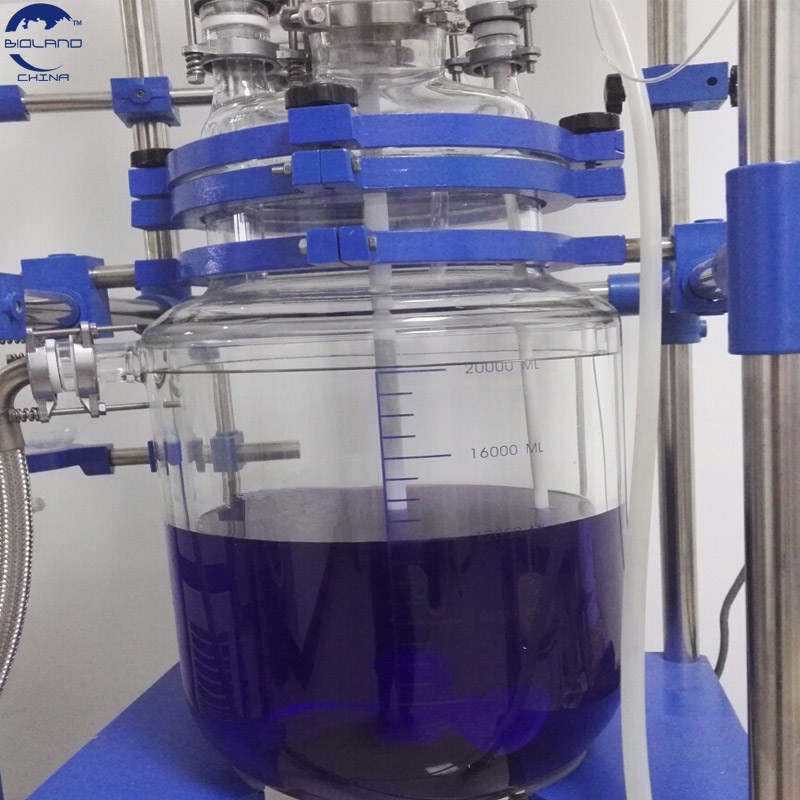
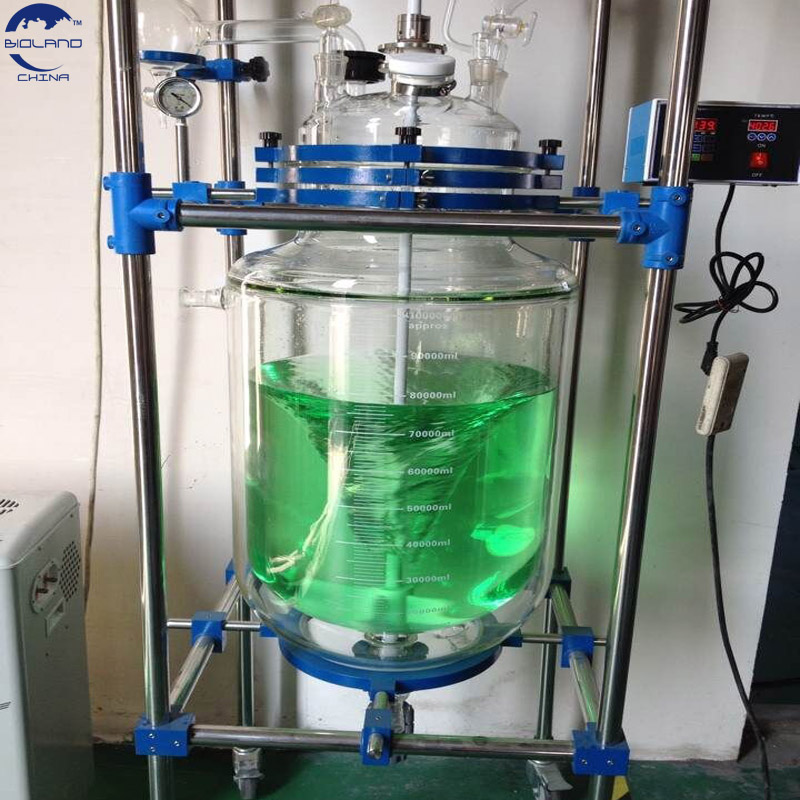
The double-layer 100L chemical glass reactor achieves precise temperature control and efficient reaction mixing through its unique sandwich structure, playing a significant role in both laboratory and industrial production. Its transparent, corrosion-resistant, and user-friendly features make it an ideal device for fields such as chemistry and pharmaceuticals. In the future, with advancements in automation technology, intelligent temperature control and remote monitoring functions will further enhance the usability of double-layer glass reactors
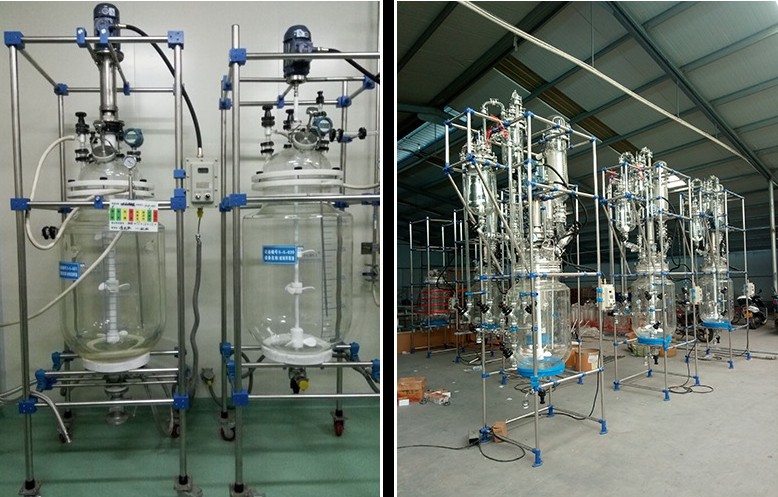
The double-layer Chemical glass reactor (also known as the jacketed glass reactor) is a commonly used experimental and small-to-medium-sized production equipment in fields such as chemistry, pharmaceuticals, and bioengineering. It is primarily employed for processes like chemical reactions, solvent distillation, crystallization, and extraction. Its unique double-layer design provides excellent temperature control capabilities, while the transparent glass material allows for easy observation of the reaction process.
Basic structure of double-layer chemical glass reactor
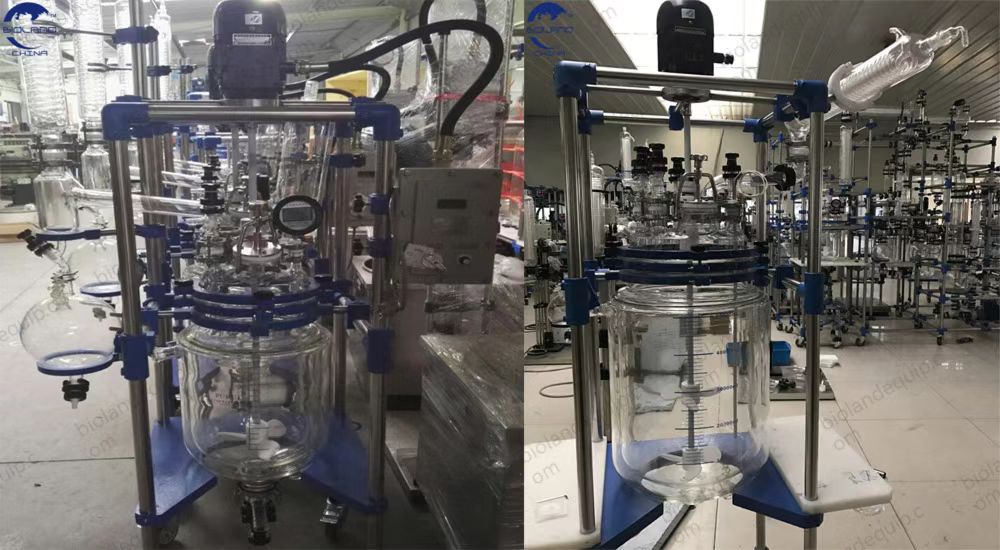
The double-layer glass reactor consists of the following core components:
(1) Inner reactor
Usually made of high borosilicate glass (3.3 material), it has excellent heat resistance, corrosion resistance, and transparency.
Used for containing reaction materials, it can directly observe the reaction state.
(2) Outer jacket
Surrounding the inner reaction vessel to form a sealed interlayer space.
The interlayer can be filled with heating or cooling media (such as water, oil, steam, etc.) to achieve temperature control of the reaction system.
(3) Mixing system
Mechanical stirring or magnetic stirring is usually used to ensure uniform mixing of the reactants.
The stirring speed can be adjusted to adapt to reaction systems with different viscosities.
(4) Sealing system
Using PTFE (polytetrafluoroethylene) or fluororubber sealing rings to ensure the airtightness of the reaction vessel, suitable for vacuum or pressure conditions.
(5) Incoming and outgoing materials and auxiliary interfaces
Including feeding port, discharging port, temperature measuring port, vacuum/pressure interface, etc., for easy experimental operation.
Features of chemical jacketed glass reactor
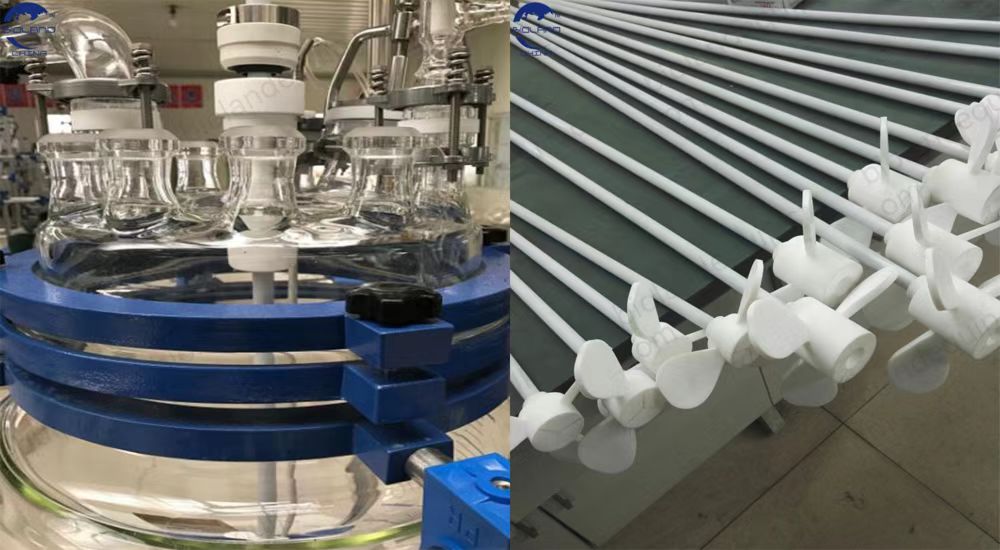
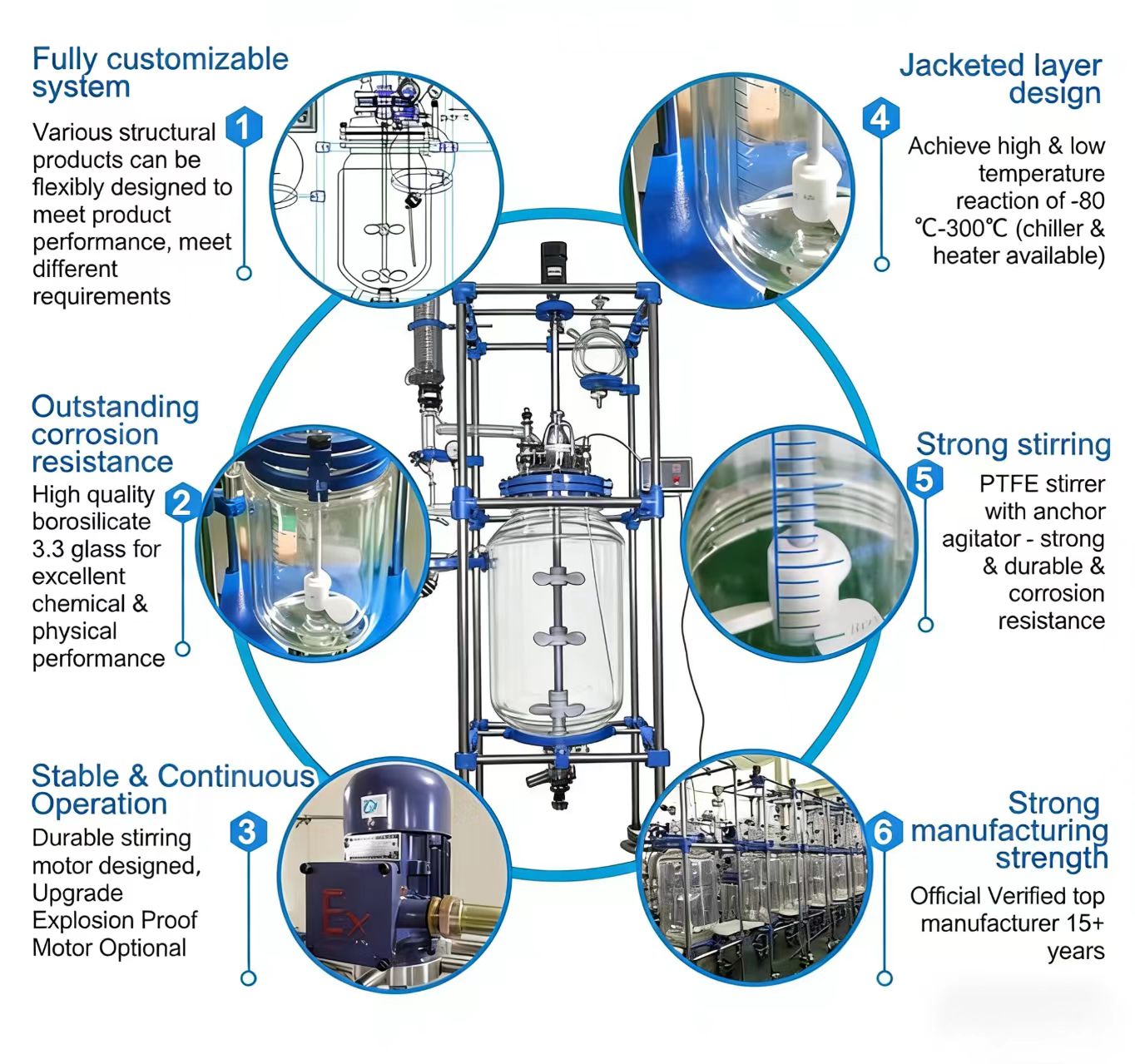
1.A full set of glassware with GG3.3 borosilicate glass production with good chemical and physical properties
2.Limit temperature of 250℃ for high temperature experiments, and limit temperature of -60℃ for low temperature experiments.
3.Titanium ring, new titanium alloy mechanical seal, sealing 0.098Mpa.
4.The PT100 temperature, and is a liquid crystal display. More accurate temperature measurement and more convenient.
5.Frequency control, AC induction motor. Constant speed, brushless, no spark, security and stability, and continuous work.
6.Quality 304 stainless steel all-inclusive PTFE stirring rod and a three-bladed propeller structure.
7.The bottom flanged discharge port with a Teflon value, aluminum parts flange fixed container no dead ends.
The core working principle of a double-layer Chemical glass reactor is to heat or cool the inner reaction material through a heat exchange medium (such as circulating water, thermal oil, or steam) in the interlayer, thereby achieving precise temperature control. The specific process is as follows:
(1) Heating process
When heating the reaction system, hot water, steam, or high-temperature heat transfer oil is introduced into the interlayer.
Heat is conducted through the glass wall to the inner reaction vessel, causing the material to heat up uniformly.
The temperature sensor monitors the reaction temperature in real time and adjusts the temperature of the interlayer medium through an external temperature control system (such as a constant temperature water bath or oil bath) to ensure that the reaction system is stable at the set temperature.
(2) Cooling process
When cooling is required, cold water or low-temperature coolant (such as ethylene glycol solution) is introduced into the interlayer.
Heat is transferred from the reactants through the glass wall to the interlayer cooling medium, achieving rapid cooling.
When extremely low temperatures are required, it can be used in conjunction with a refrigeration cycle to reach temperatures of -30 ℃ or even lower.
(3) Vacuum or pressure reaction
The double-layer glass reactor can be evacuated by a vacuum pump to reduce system pressure, and is suitable for vacuum distillation or anaerobic reactions.
Partial pressure resistant reactors can be pressurized with inert gases (such as nitrogen) to increase the rate of certain chemical reactions.
(4) Mixing and Mixing
The stirring system drives the stirring blade or magnetic rotor through a motor to fully mix the reactants, avoiding local overheating or uneven concentration.
In solid-liquid reactions or high viscosity systems, stirring can significantly improve reaction efficiency.
As a crucial experimental equipment in industrial fields such as chemistry, materials, medicine, and biopharmaceuticals, the core function of glass reaction vessels is to provide a controlled closed reaction system. The device is made of high-purity borosilicate glass, which can withstand drastic temperature changes and pressure fluctuations, ensuring the sterility of the experimental environment and the stability of the reaction conditions. Its working principle mainly involves four key links: heating, mixing, insulation, and sealing. Through the clever combination of precise mechanical structure and fluid dynamics, it achieves the optimal state of chemical reactions.
Advantages of double-layer chemical glass reaction kettle
(1) Excellent temperature control capability
The sandwich design allows for rapid heating and cooling, making it suitable for temperature sensitive reactions such as polymerization reactions and crystallization processes.
(2) Good chemical stability
High borosilicate glass is resistant to acids, alkalis, and organic solvents, and is suitable for most chemical experiments.
(3) Visual operation
Transparent glass material facilitates observation of reaction states, such as color changes, precipitation generation, etc.
(4) Safe and reliable
The double-layer structure can reduce the risk of glass breakage caused by thermal shock.
Magnetic stirring can avoid mechanical seal leakage problems.
Application field
Double layered glass reaction vessels are widely used in:
Organic synthesis: reactions such as esterification, condensation, hydrogenation, etc.
Pharmaceutical industry: preparation, crystallization and purification of pharmaceutical intermediates.
Food and cosmetics: essence extraction, emulsification reaction.
Materials science: synthesis of nanomaterials, polymer polymerization.
In pharmaceutical research and development, fine chemical experiments, and university research laboratories, the stability of the reaction system directly determines the reliability of experimental results
Related Products
MORE >
Consultation