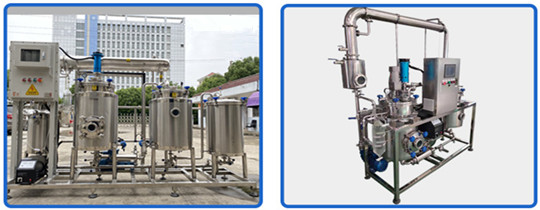
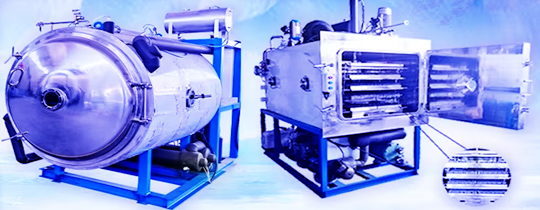
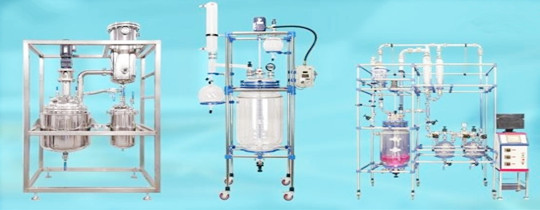


laboratory ultrasonicator reactor
2025-12-29
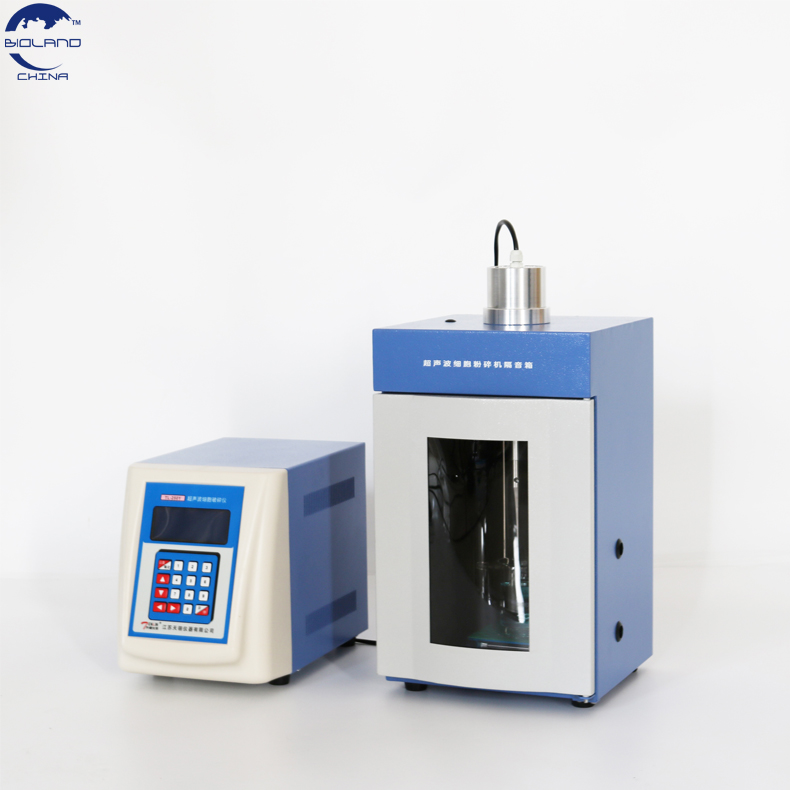
laboratory ultrasonicator reactor are commonly used in experimental scenarios such as cell lysis, nanodispersion, and chemical synthesis. They have the characteristics of adjustable power, probe design, and suitability for small volume sample processing.
A laboratory ultrasonic reactor or laboratory ultrasonicator reactor is a device that uses high-intensity ultrasound to homogenize, emulsify, lyse cells, or disperse nanomaterials in samples.
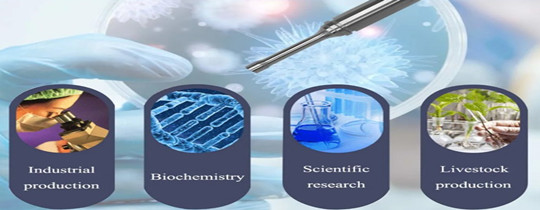
laboratory ultrasonicator reactor is widely used in biochemistry, pharmaceutical research and development, and materials science. This type of device usually appears in the form of a "probe type ultrasound processor", supporting continuous operation and temperature control, suitable for processing samples as small as 0.1ml and as large as several liters.
Feature of laboratory ultrasonicator reactor
Power range 350W-3000W, high power for industrial grade processing
Processing volume of 0.1-100 L is commonly used in small laboratories, ranging from 0.1-5000 ml
Frequency 20 kHz, industrial standard frequency, some equipment can be tuned
Probe material: Titanium Alloy, corrosion-resistant and efficient in transmitting ultrasonic energy
Application scenarios: Cell lysis, DNA/RNA extraction, nanoemulsification, homogenization support, liquid chemical mixing, and tissue lysis
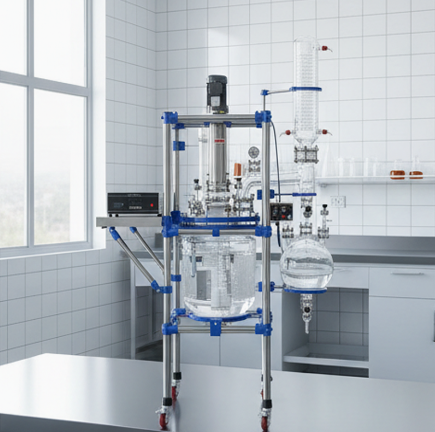
50L laboratory ultrasonicator reactor
Related News
MORE >-
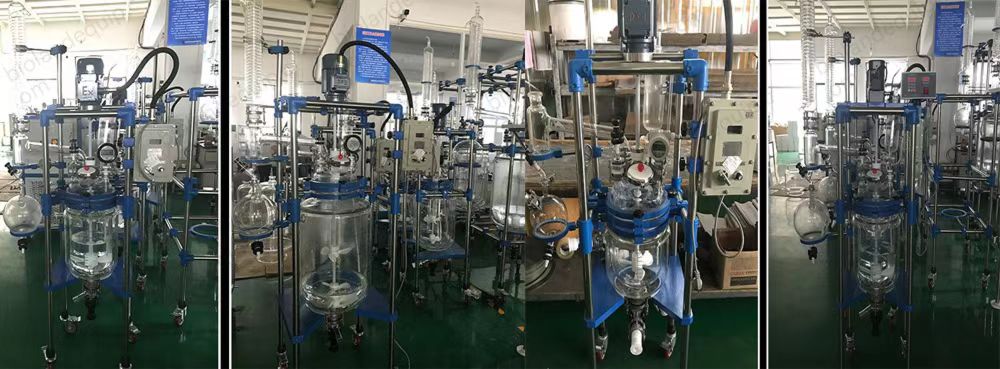
chemical glass reactor is a key experimental equipment that Across multiple industries ?
chemical glass reactor,laboratory chemical glass reactor,100L glass reactor ,jacketed batch reactor,jacketed glass reactor,100 liter glass reactor,double-layer glass reactor, vacuum jacketed reactor, glass-lined reactor
-
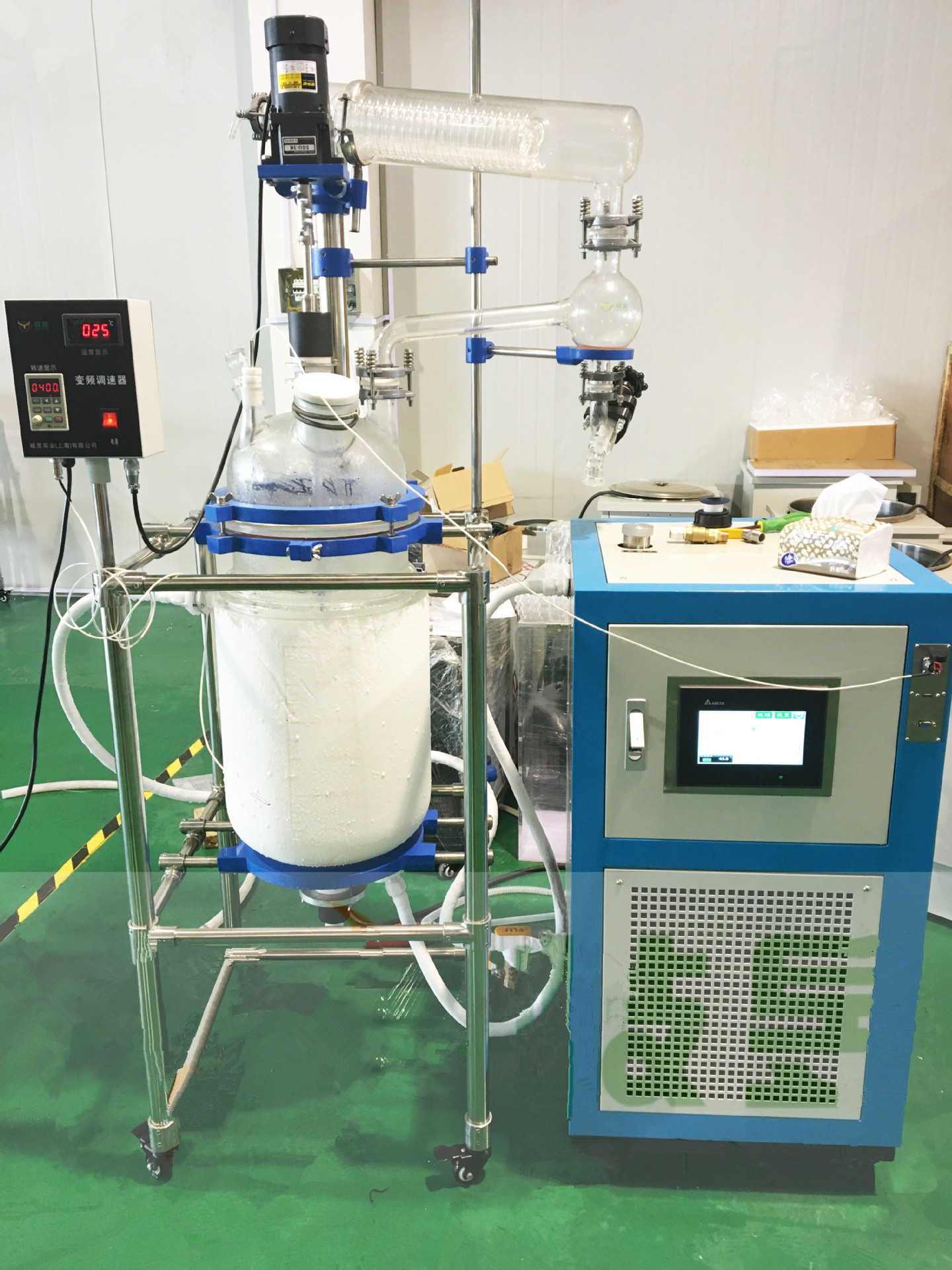
Selection tips for temperature control system - chemical glass reactor
temperature control system,high low temeperature control system,temperature control system , low tempeature cooler
-
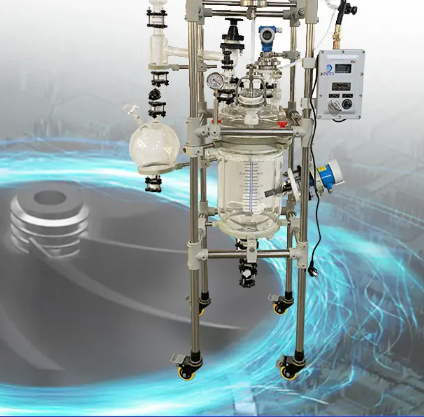
What is solid phase chemical synthesis reactor ?
solid phase reactor, chemical synthesis reactor , glass filter reactor ,100L glass reactor
Consultation