


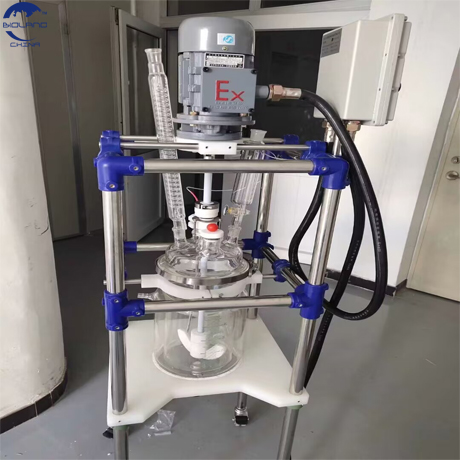
ultrasonic processing equipment
ultrasonic processing equipment,ultrasonic Liquid Processor, ultrasonic reactor
ultrasonic processing equipment - ultrasonic Liquid Processing equipment
Product Detail
Equipment Introduction
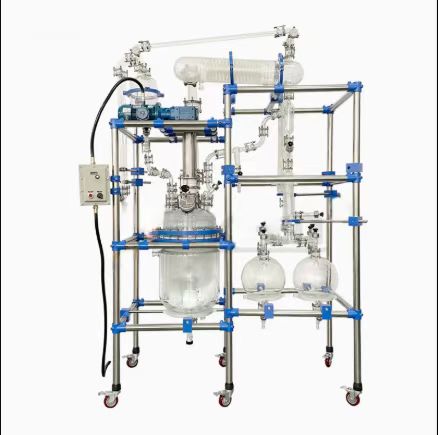
Ultrasonic processing equipment utilizes high-frequency mechanical vibration (usually 20 kHz – 1 MHz) to generate sonochemical effects, and achieves processes such as material crushing, emulsification, cleaning, and extraction through cavitation. Its core advantages lie in high efficiency, environmental friendliness, and non thermal processing, which can replace traditional high-energy consumption or chemical reagent dependent methods.
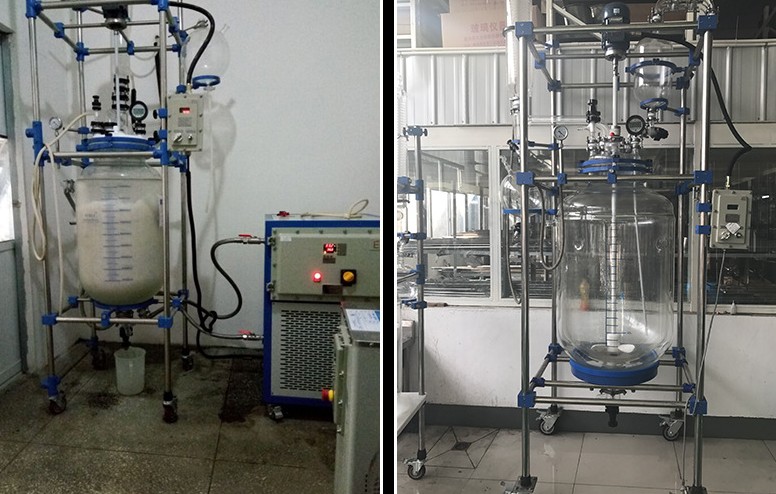
working principle
Cavitation effect
Ultrasonic waves generate high-frequency pressure waves when propagating in liquids, forming micrometer sized bubbles that collapse instantly (cavitation), releasing high temperatures (≈ 5000K) and high pressures (≈ 1000 atm) locally, triggering mechanical shear forces and chemical reactions.
Sound flow and microjet
Cavitation collapse generates high-speed microjets (with a velocity of up to 100 m/s), enhancing mixing and mass transfer efficiency; Sound flow drives liquid circulation, improving uniformity.
Thermal effect and resonance
High frequency vibration is converted into thermal energy, reducing liquid viscosity; Specific frequencies can stimulate molecular resonance and optimize chemical reaction pathways
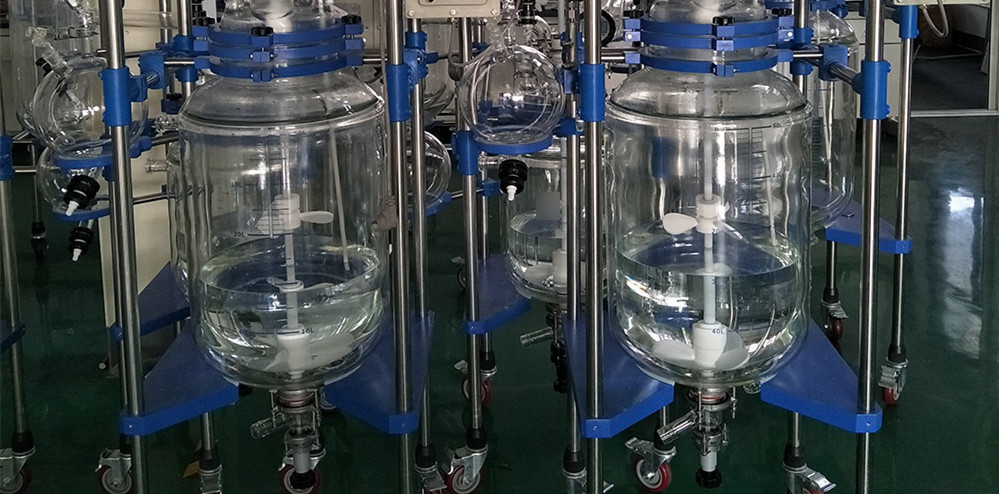
Equipment structure
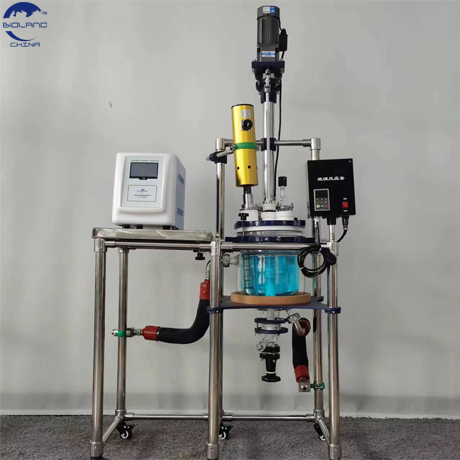
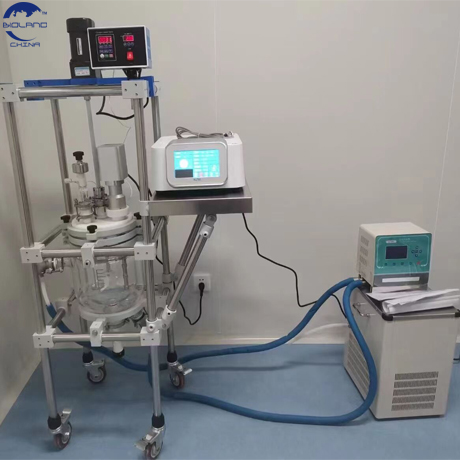
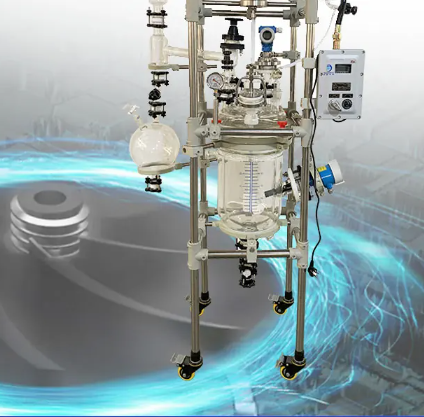
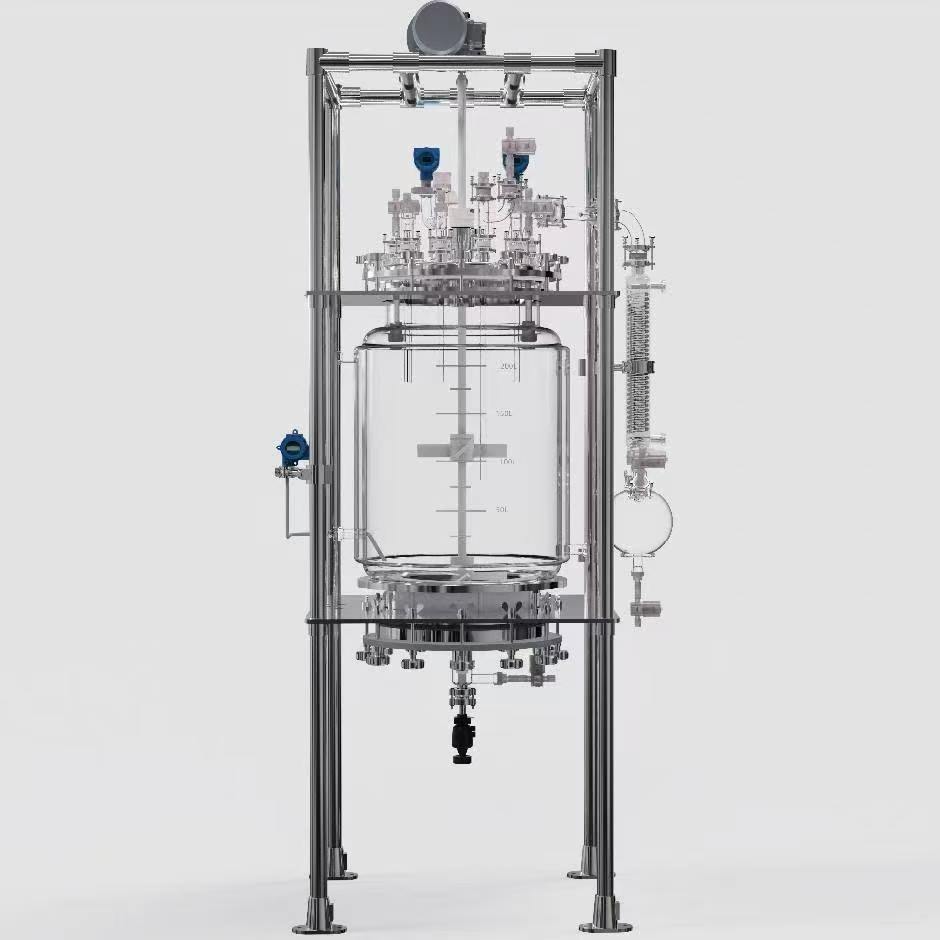
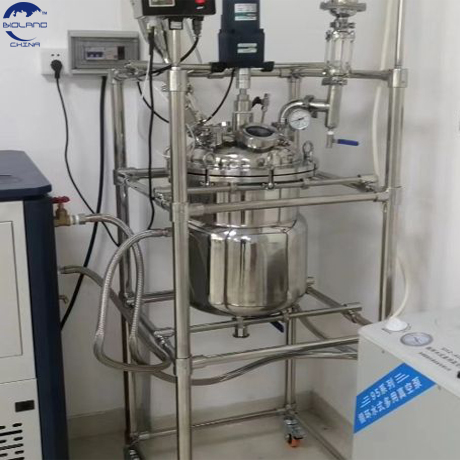
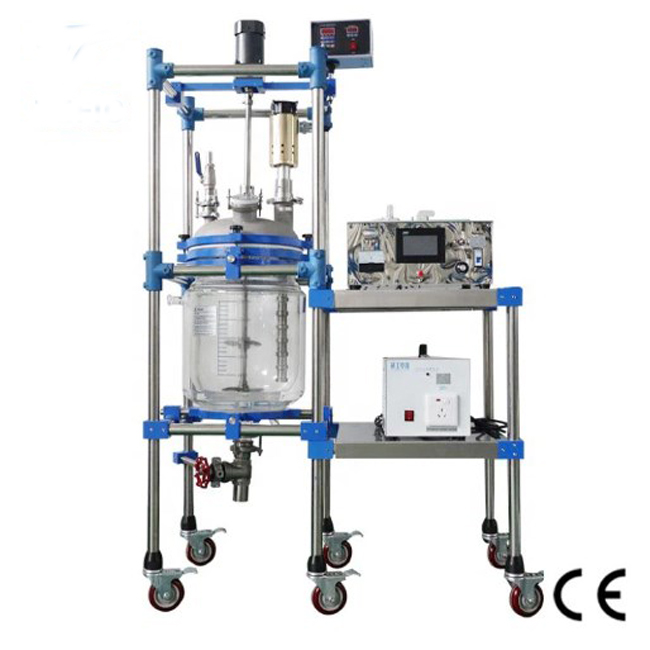
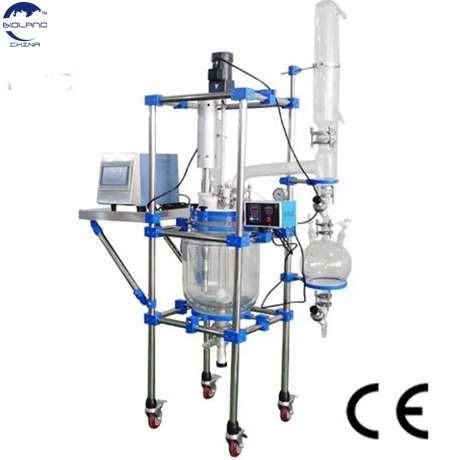
A typical ultrasonic processing system includes the following modules:
Generator
Convert electrical energy into high-frequency electrical signals (such as 20 kHz or 40 kHz), supporting fixed or adjustable frequencies to ensure output stability.
Transducers
Piezoelectric ceramic materials (such as PZT) convert electrical signals into mechanical vibrations, with core parameters including power density (W/cm ²) and conversion efficiency.
Horn/Probe
Made of stainless steel material, amplifying vibration amplitude and transmitting it to the processing medium, the design needs to match impedance to minimize energy loss.
Processing tank/flow pool
Corrosion resistant stainless steel tank body (such as SUS304), built-in heating system (≤ 80 ℃), partially equipped with multi probe array to expand the radiation area.
auxiliary system
Cooling circulation device (to prevent overheating), acoustic shielding cover (noise reduction), automation control unit (to adjust power/time)
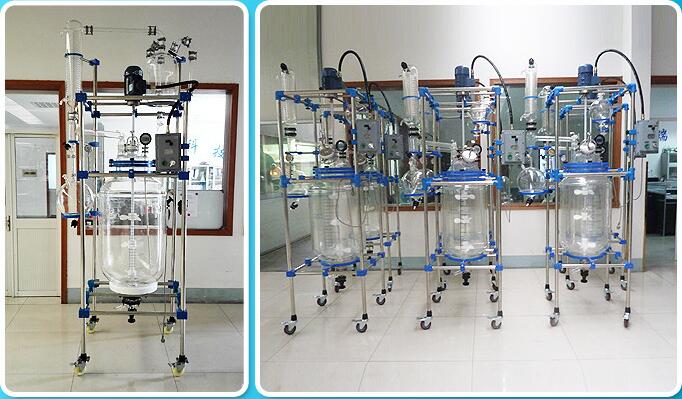
Typical process flow
Taking industrial applications as an example:
preprocessing
Place the material in the processing tank, set the temperature (such as 40 ℃) and medium (water/solvent).
Parameter Configuration
Select frequency (such as 40 kHz for emulsification and 20 kHz for crushing) and power density (0.5-2 W/cm ³) based on material characteristics.
ultrasonic treatment
Start the generator, immerse the amplitude rod in the medium, and let the cavitation effect last for 10-30 minutes. Monitor the temperature and viscosity in real time.
post-processing
Separate products (such as centrifugation), clean equipment (to prevent cross contamination), and treat residual cavitation by-products in wastewater.
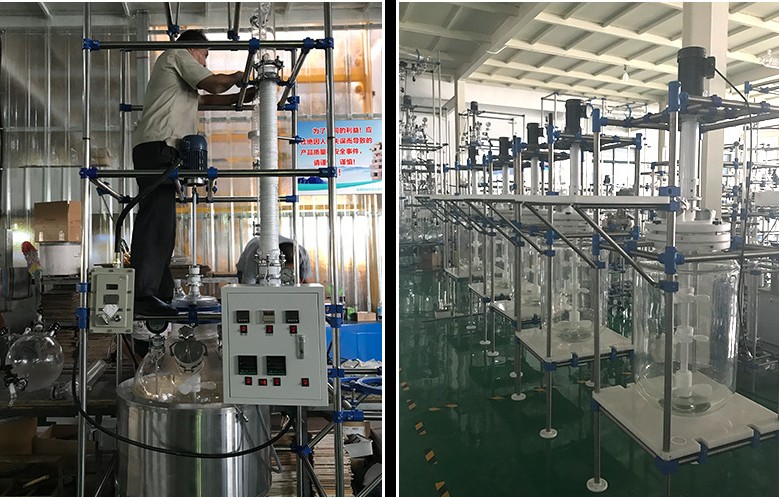
Application field
Industrial cleaning
Complex surface cleaning of jewelry and medical devices (such as micro hole cleaning of surgical instruments), using 40 kHz to enhance penetration.
material processing
Welding: high-frequency vibration fusion of plastic parts (automotive dashboard welding), spot welding of metal sheets.
Polishing: Two dimensional ultrasonic non abrasive polishing precision molds to reduce surface roughness.
Energy and Chemical Industry
In the petroleum industry, medium frequency pulse ultrasound (20-60 kHz) reduces crude oil viscosity and increases recovery by 100%.
Emulsification/dispersion: Homogenization of nanomaterials (such as graphene dispersion).
Food and Biology
Enzymatic hydrolysis acceleration (protein extraction), fermentation promotion (yeast activity enhancement).
Alcohol desulfurization (crispy plum processing) and sludge treatment.
Consultation