


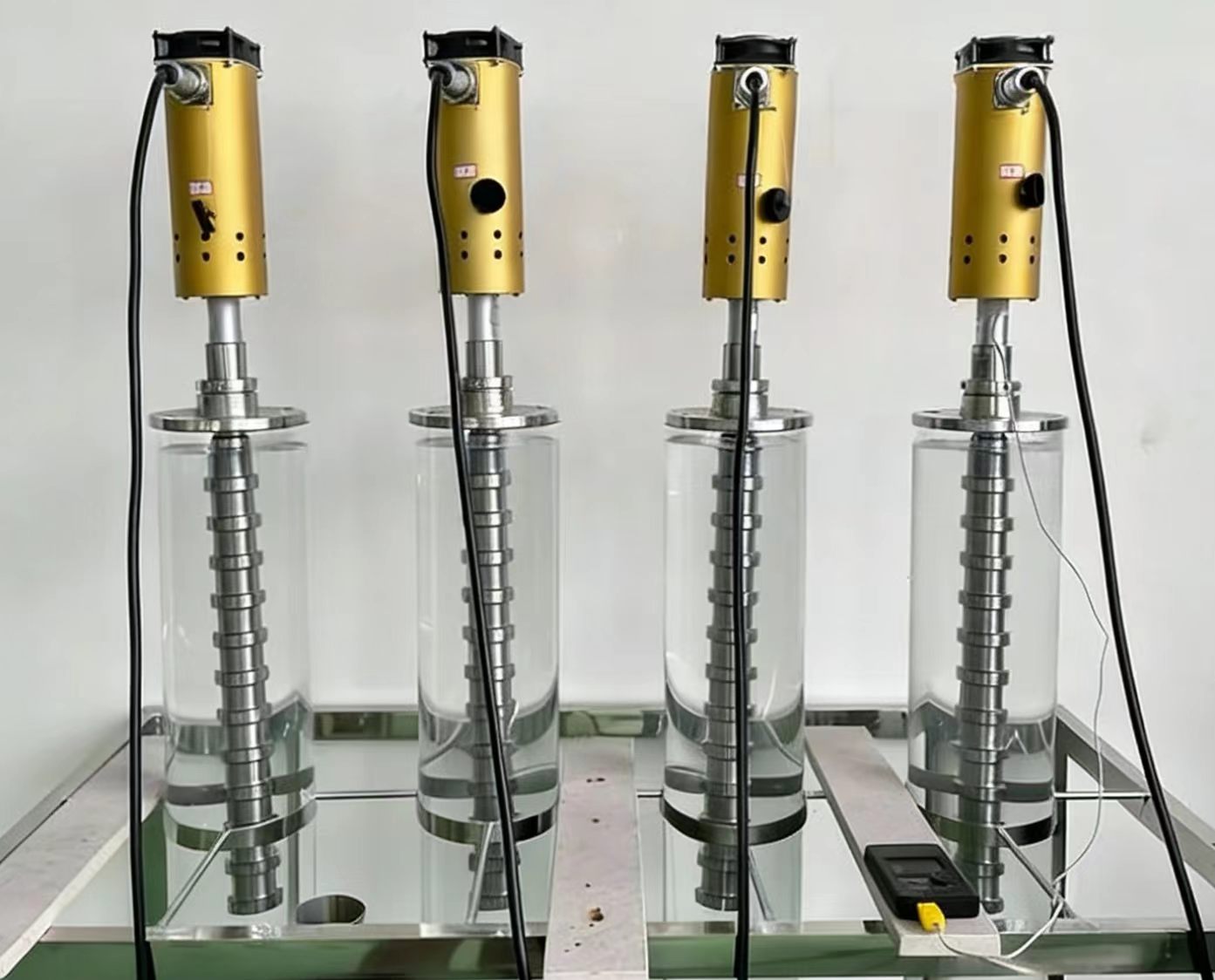
ultrasonic reactor biodiesel production
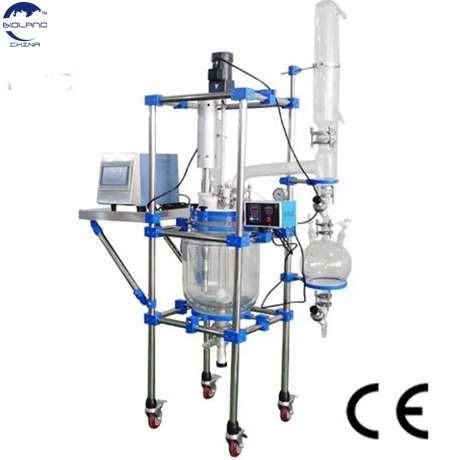
ultrasonic reactor biodiesel production-ultrasonic sonication for extraction biodiesel 2000w , ultrasonic transesterification of oil to biodiesel
ultrasonic reactor biodiesel production,Chemical Ultrasonic Emulsification Reactor 20khz
Product Detail
Introduction of ultrasonic reactor biodiesel production
Introduction to Technical Principles and Equipment
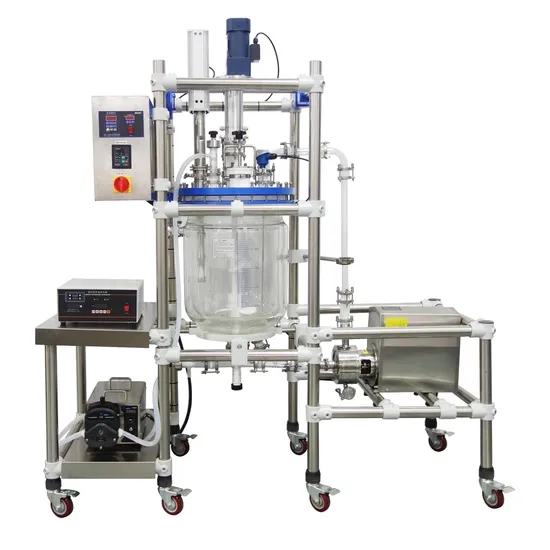
Ultrasonic reactor is a specialized equipment that utilizes high-frequency mechanical waves (20kHz-50MHz) to promote chemical reactions, and achieves efficient ester exchange reactions in biodiesel production through ultrasonic cavitation effect.
ultrasonic generate acoustic cavitation between the solvent and the sample, leading to the formation, growth, and burst compression of bubbles in the solution, thereby dispersing and increasing the solid sample. The contact area between the sample and the extraction solvent increases the mass transfer rate of the target from the solid phase to the liquid phase. In terms of industrial applications, the use of ultrasonic waves for cleaning, drying, sterilization, atomization and non-destructive testing is a very mature and widely used technology.
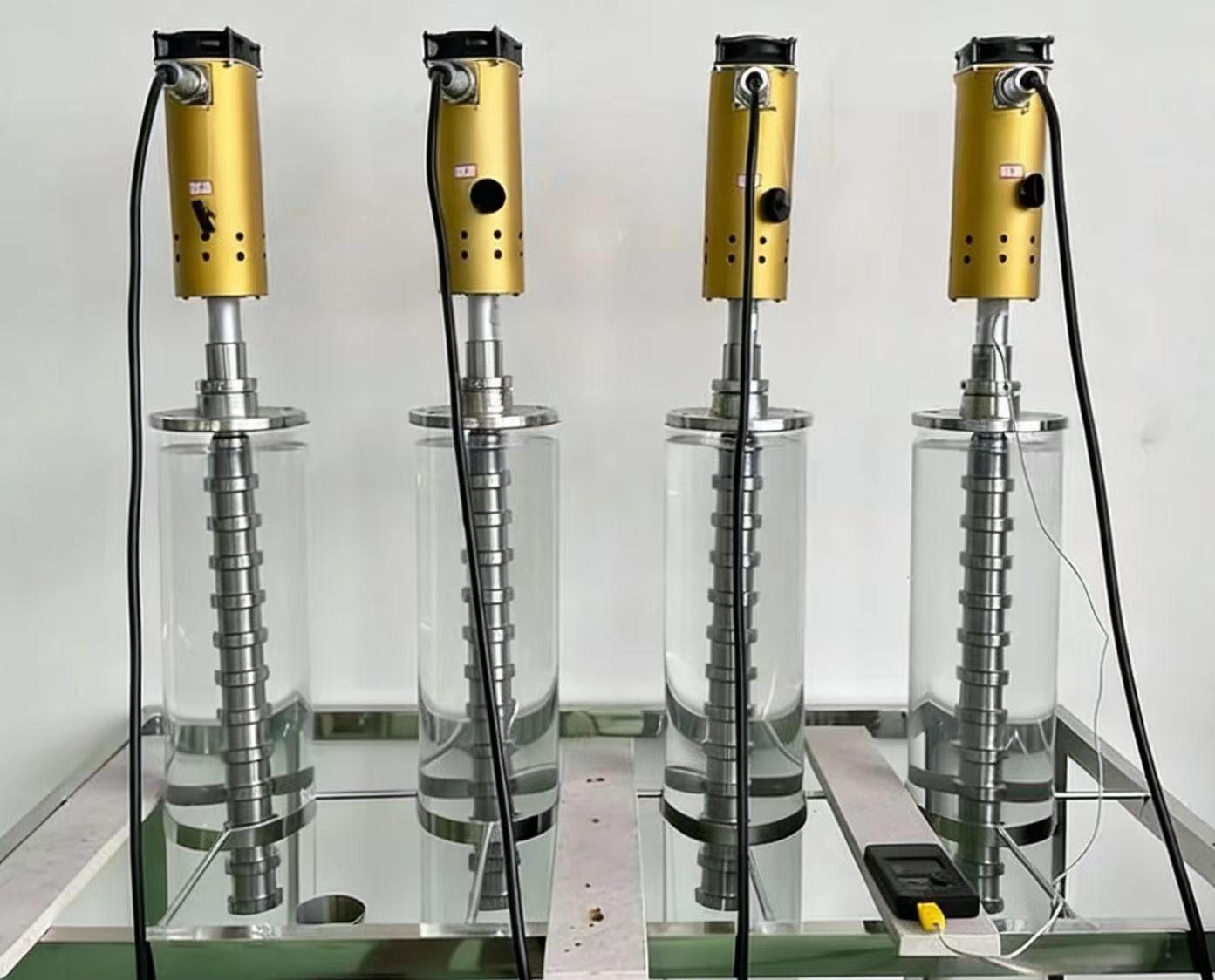
working principle:
Cavitation effect: Ultrasonic waves generate tiny bubbles in liquid, which instantly generate high temperature (about 5000K) and high pressure (about 100MPa) when the bubbles burst and disappear, greatly increasing the frequency and energy of molecular collisions
Multi effect synergy: eddy current effect, shear effect, vibration effect, and dispersion effect work together to ensure full contact between reactant molecules and catalyst
Mass transfer enhancement: accelerates the diffusion process of reactants and products, controls particle size and distribution, and improves reaction selectivity
Application of Ultrasonic Reactors in Biodiesel Production
The ultrasonic reactor (Ultrasonic Reactor) is an advanced piece of equipment in biodiesel production, which accelerates the transesterification reaction through ultrasonic cavitation effects, significantly improving reaction efficiency and product yield. Here are the key details:technical principle
Ultrasound Cavitation Effect: Ultrasound (20kHz-50MHz) generates tiny bubbles in liquids, which, upon collapse, produce localized high temperature and pressure, promoting the mixing and reaction of oil and alcohol
Two-step reaction process:
Acid-catalyzed esterification: Reduces free fatty acid (FFA) content (from 17.5% to <1%)
Base-catalyzed transesterification: produces fatty acid methyl esters (FAME) with yields exceeding 97%
technical advantage
Reduced reaction time: Traditional methods take several hours, while ultrasound assisted methods only take a few minutes to half an hour
Energy consumption reduction: Compared to heating and stirring, ultrasonic technology saves 30% -50% energy
Wide adaptability of raw materials: capable of processing high free fatty acid waste oil (such as catering waste oil)
Continuous production: Tube microreactors support continuous flow reactions, suitable for industrial scaling up
High efficiency: Mississippi State University research shows that the yield exceeds 99% within 5 minutes, while traditional methods require more than 1 hour
Low cost: Short reaction time, low energy consumption, minimal catalyst usage, resulting in a 20-30% reduction in overall cost
Environmentally friendly: Reduce solvent usage, lower waste emissions, and comply with green chemistry principles
Flexible raw materials: capable of processing waste oils and high acid value raw materials, achieving waste resource utilization
Industrialized: Supports continuous flow reactions, easy to scale up production, suitable for large-scale applications
High product quality: high FAME content, minimal impurities, in compliance with international standards (EN 14214, ASTM D6751)
Process flowchart:
Raw material preparation → pretreatment → ultrasonic ester exchange reaction → separation → refining → finished product storage
Detailed steps:
1. Raw material preparation stage
Raw material selection: waste edible oils, animal fats, vegetable oils, etc
Measurement and mixing: Accurately measure oils, fats, methanol (or ethanol), and catalysts according to the formula
Raw material ratio: Oil: Alcohol: Catalyst ≈ 1:6:0.5-1% (molar ratio)
2. Preprocessing stage
Dehydration and Degumming: Removing moisture and impurities from raw materials
Acid catalyzed esterification (for high FFA raw materials): reducing free fatty acids from 17.5% to<1%
Filtration and purification: ensuring the purity of raw materials
3. Ultrasonic ester exchange reaction (core step)
Reaction vessel: Add the mixed raw materials into the ultrasonic reactor
Ultrasonic treatment: react at set frequency, power, and temperature
Reaction time: 5-30 minutes (traditional methods require more than 1 hour)
Reaction conditions: temperature 50-60 ℃, ultrasonic power density 20-50 W/L
4. Separation stage
Static stratification: The reaction mixture is left to stand for 2-4 hours and divided into two layers, top and bottom
Centrifugal Separation: Accelerating the Separation of Glycerol (Lower Layer) and Biodiesel (Upper Layer)
Catalyst recycling: Recycling unreacted catalyst
5. Refining stage
Water washing deacidification: removing residual catalysts and free fatty acids
Dehydration and drying: remove moisture to<0.06%
Adsorption decolorization: improving product color and stability
6. Finished product storage
Quality inspection: Testing indicators such as FAME content, viscosity, flash point, etc
Finished product storage: Store in a dry and dark environment to prevent oxidation
Application field:
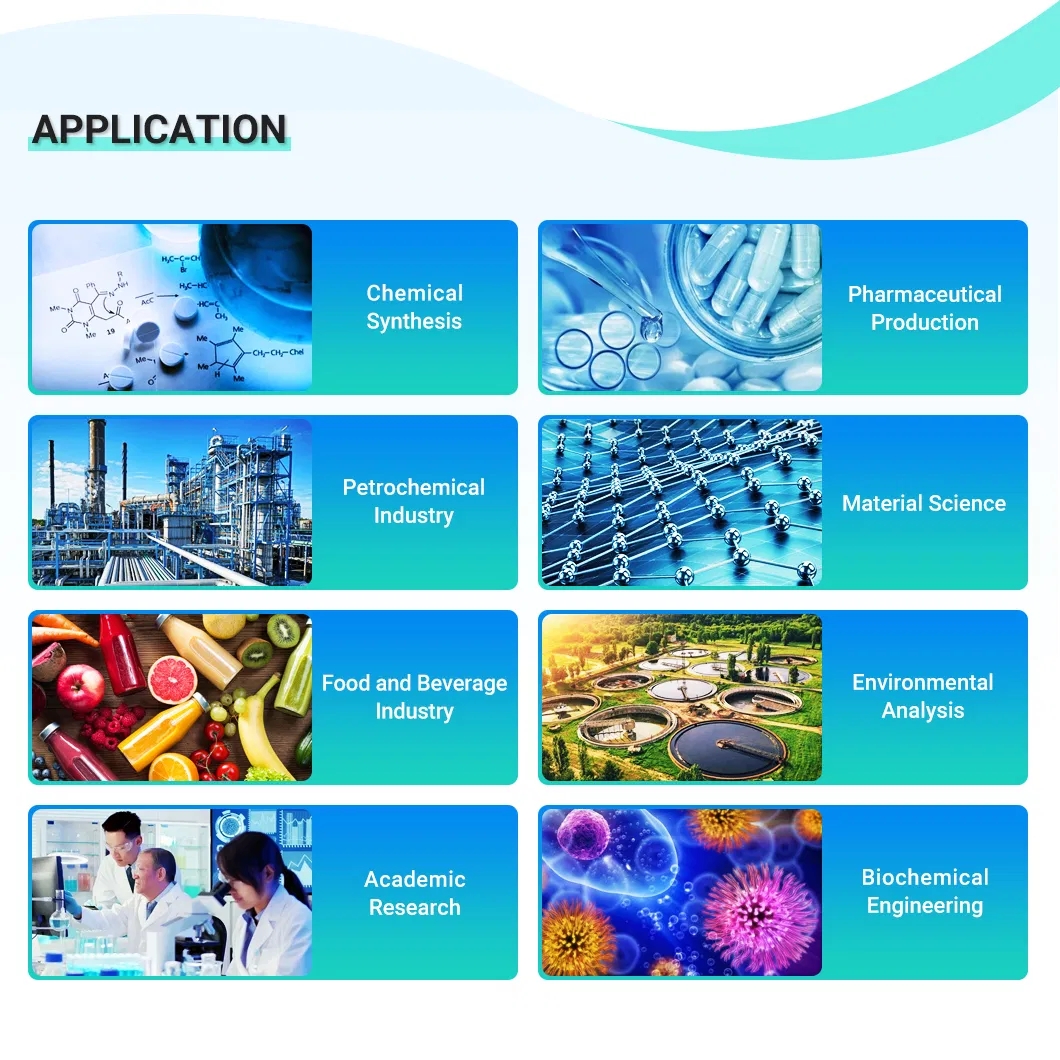
ultrasonic reactor biodiesel production are widely used in the fields of ultrasonic homogenization, ultrasonic dispersion, ultrasonic emulsification, ultrasonic cell crushing, ultrasonic extraction and separation, ultrasonic exhaust, and accelerated chemical reactions of liquid-liquid and liquid-solid materials. Specific industries include:
1) Fuel: Emulsification of fuel oil mixed with water to save fuel and reduce exhaust pollution.
2) Food: Emulsification by adding sugar to milk, emulsification of ghee to make high-grade lactose, dispersion of raw materials during sauce manufacturing, etc.
3) Cosmetics: emulsify wax, paraffin, etc., to make detergent, shampoo, lotion and other oil to disperse particles.
4) Lubricant: the emulsification of rolling oil, the manufacture of emulsion used for cooling and lubrication during sheet metal rolling.
5) Coating: emulsification of waterproof coating agent for packaging, emulsification of polyethylene in water, emulsification of waterproofing agent, emulsification of resin processing fluid for fishing nets.
6) Chemical industry: accelerate the speed of chemical reaction, dispersion in the production of fluorescent materials and photosensitive materials, etc.
7) Medicine: Extraction of effective ingredients of Chinese herbal medicine.
8) Environmental protection: sewage treatment.
Automotive biodiesel: used as a substitute or additive to traditional diesel for transportation vehicles such as trucks, buses, and ships
Aviation biofuels: Some high-end biodiesel can be used for the preparation of aviation turbine fuels
Railway locomotive fuel: providing clean energy for diesel locomotives
Waste edible oils and fats: recycling and conversion of waste cooking oil and gutter oil
Animal fat: utilization of by-products in the slaughter industry
Non edible vegetable oils: leprosy tree oil, waste palm oil, etc
The CO ₂ emissions from biodiesel combustion are much lower than the amount absorbed by plant growth, achieving carbon cycle balance
Emerging application areas
Frontier exploration:
Nano emulsified biodiesel: improving combustion efficiency and stability
Biodiesel and Hydrogen Energy Coupling: Development of Hybrid Fuel Systems
Biodiesel based chemicals: production of surfactants, lubricants, etc
Technological Trends:
Developing towards continuity, automation, and intelligence
Combined with technologies such as microreactors and static mixers
Consultation