crystallization pharmaceutical engineering reactor
crystallization pharmaceutical engineering reactor -crystallization reactor in pharmacy
crystallization pharmaceutical engineering reactor ,crystallization reactor in pharmaceutical industry
Product Detail
Equipment Introduction
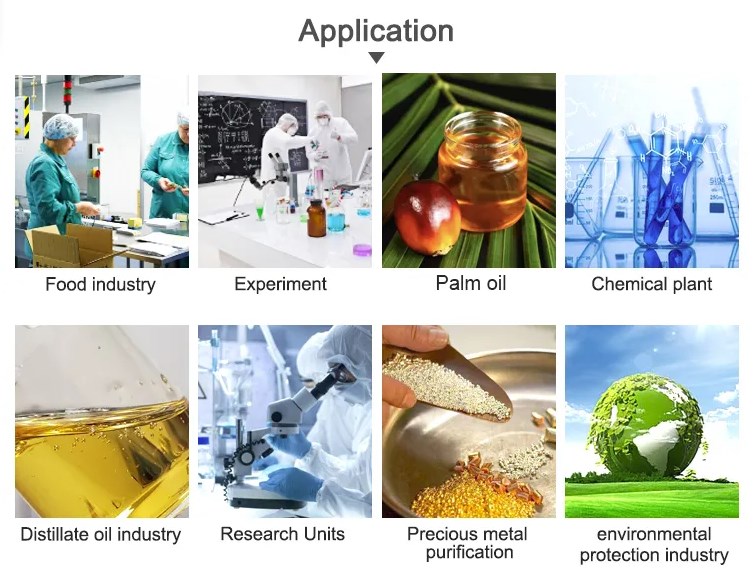
Fine chemicals manufacturing: some chemicals for special purposes, such as dyes, essence, etc., have strict requirements on product morphology, and crystals of different shapes and sizes can be obtained by adjusting the crystallization conditions.
Food processing: The sugar industry is another typical example, in which the purification of sucrose cannot be separated from the crystallization filtration process.
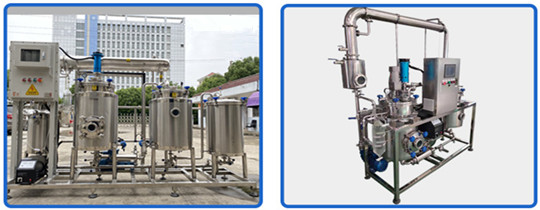
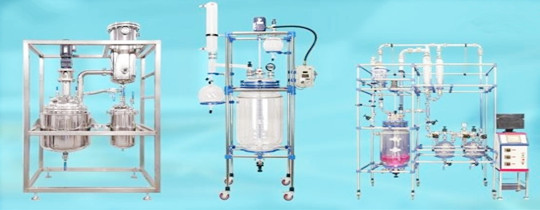
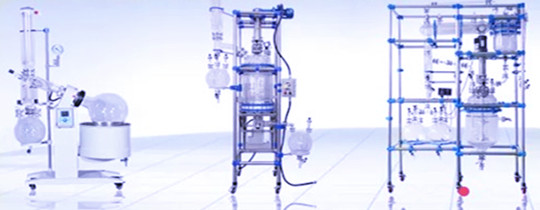
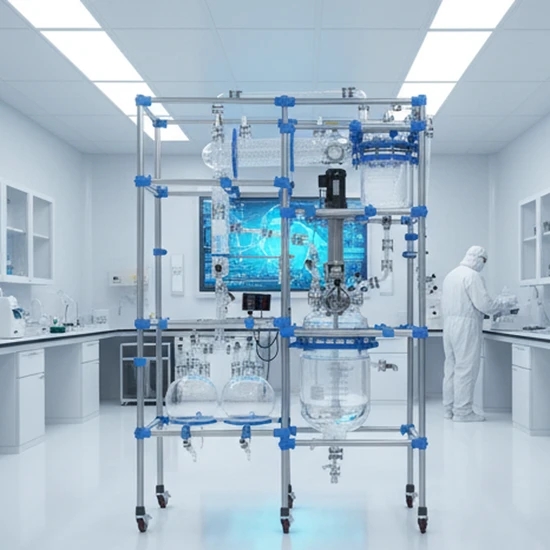
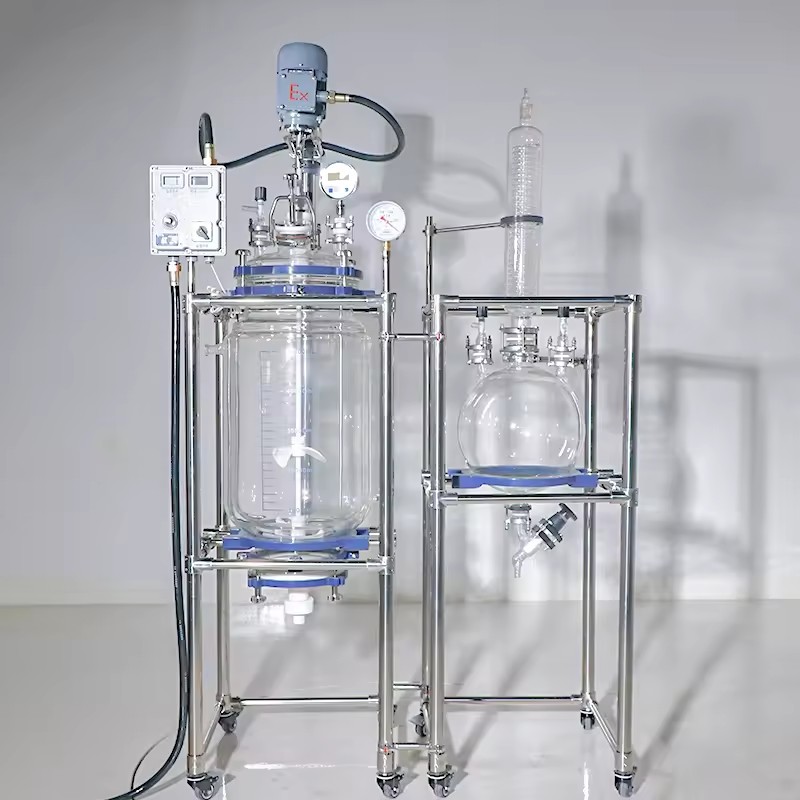
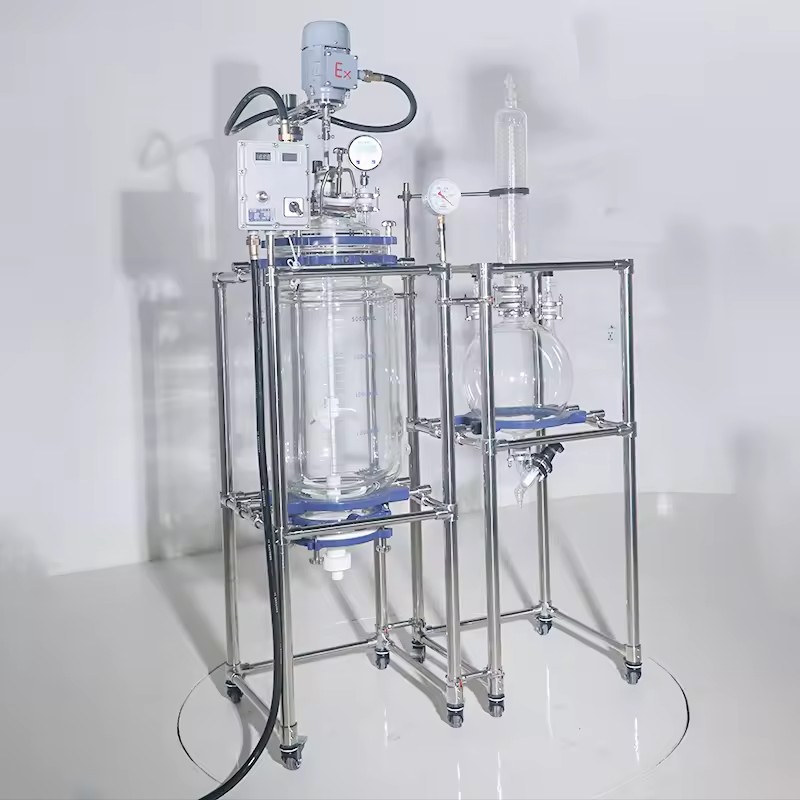
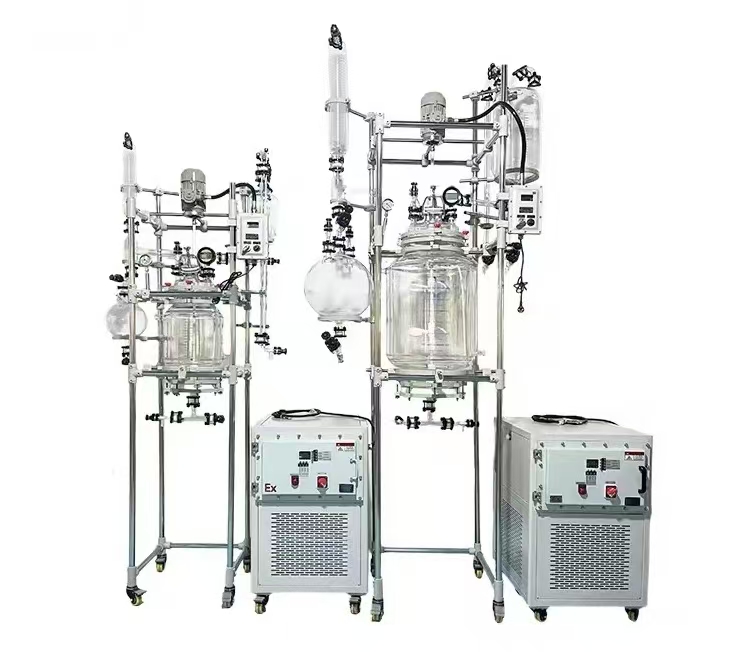
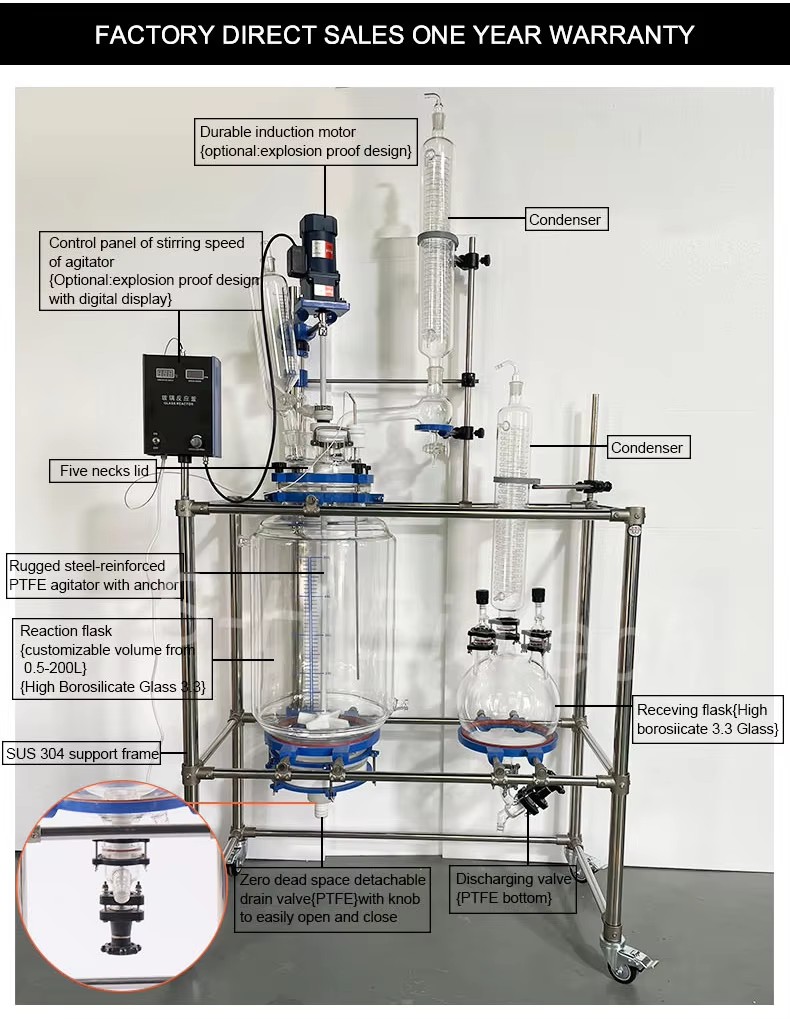
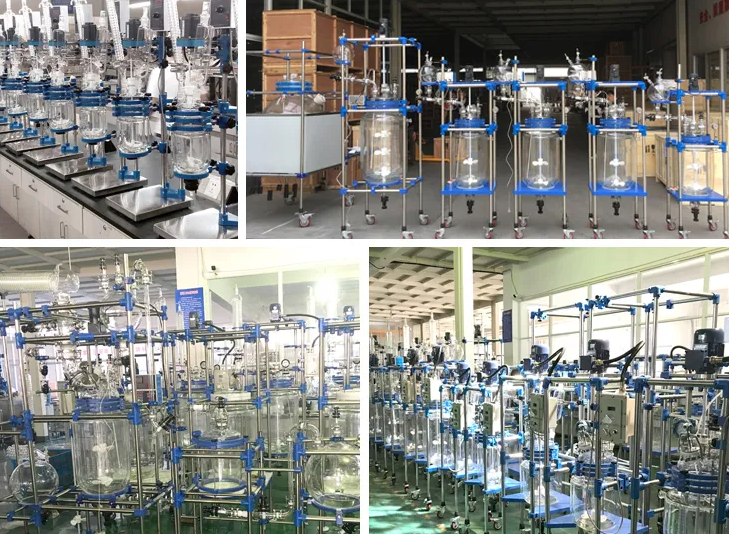
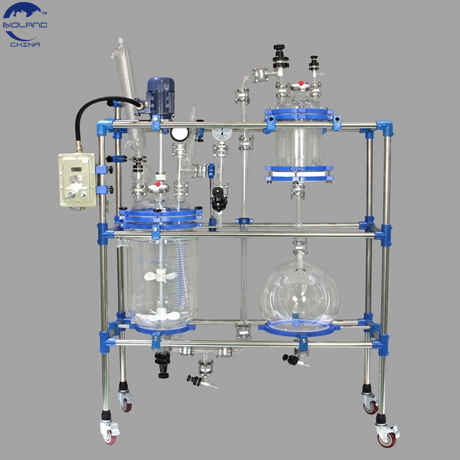
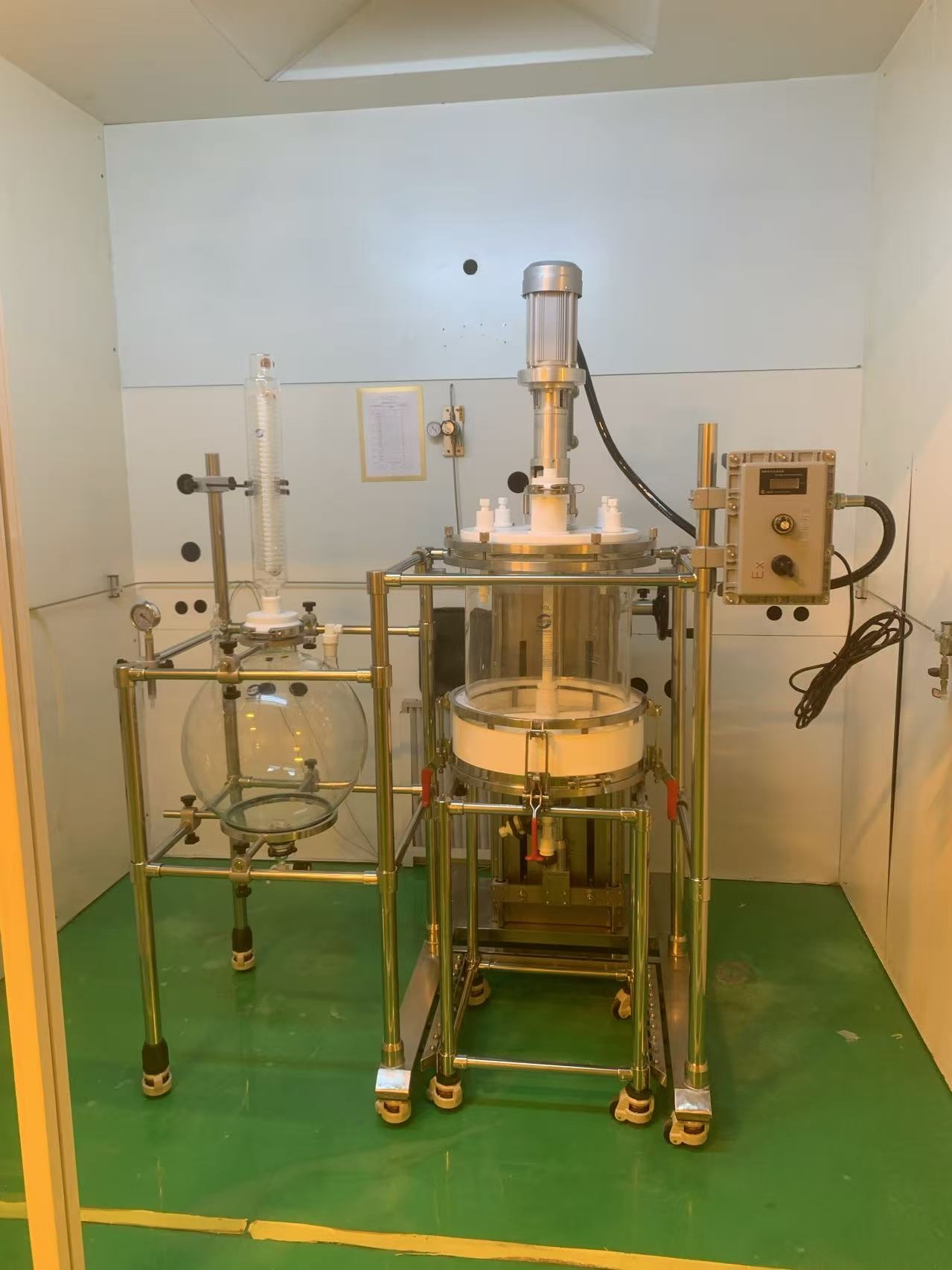
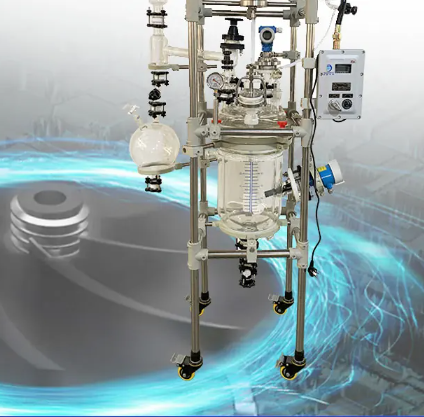
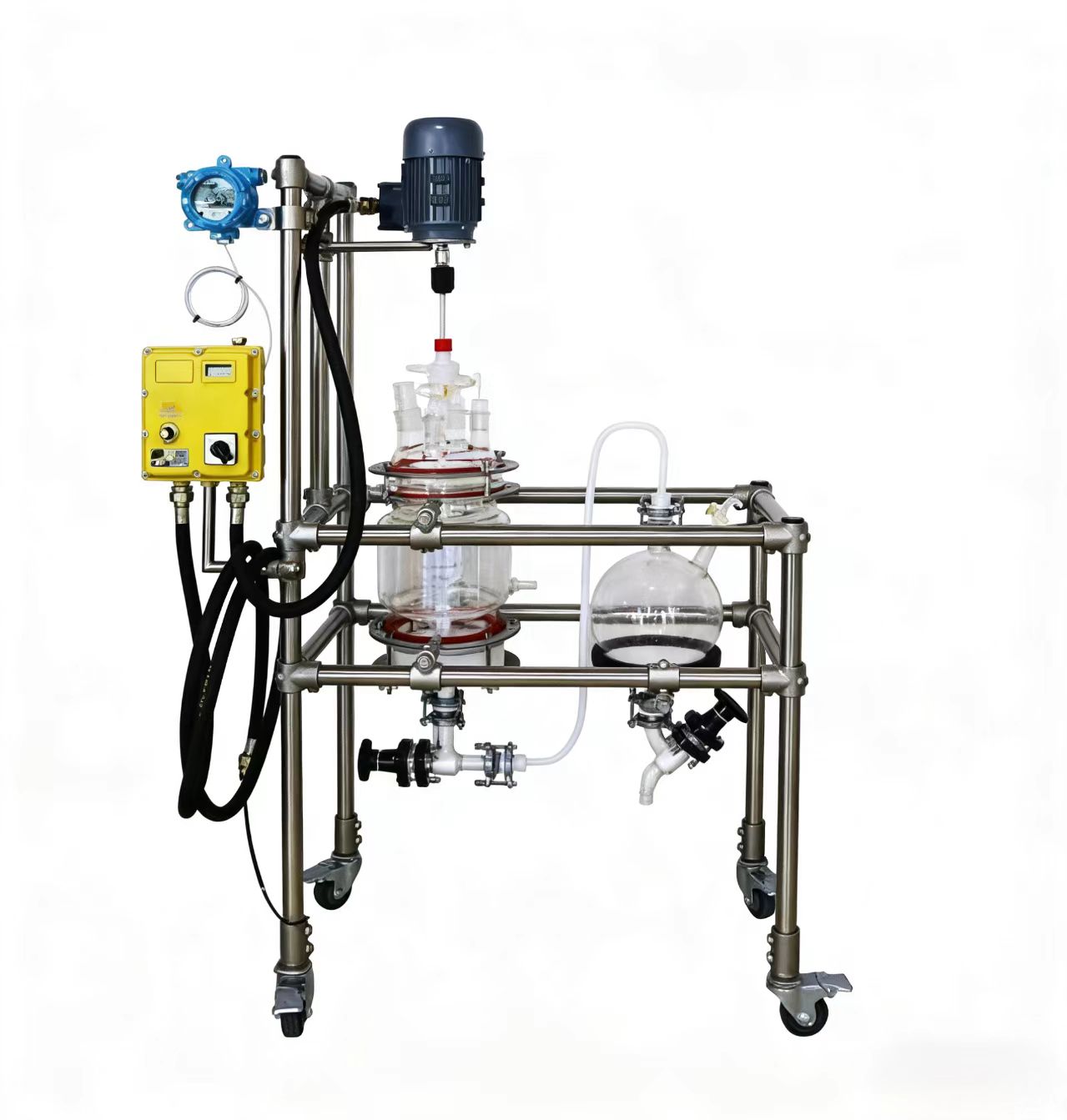
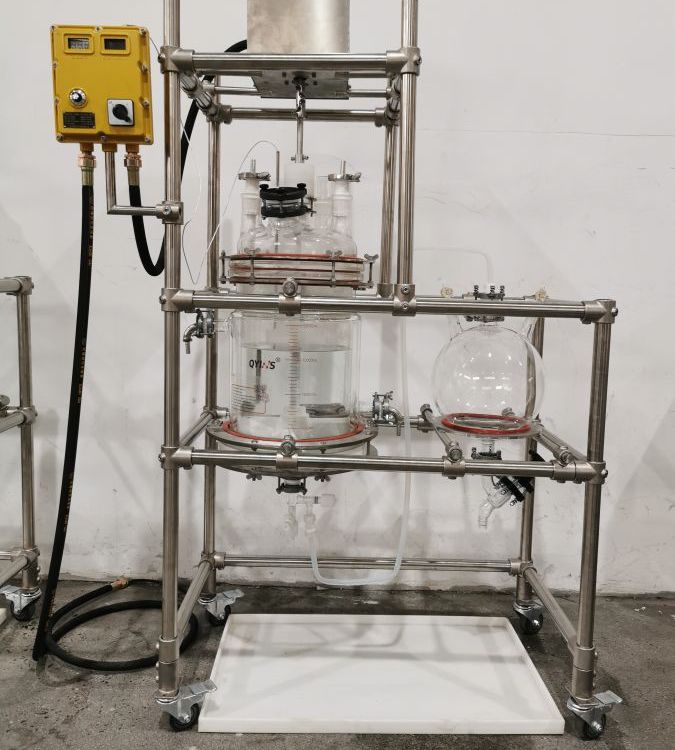
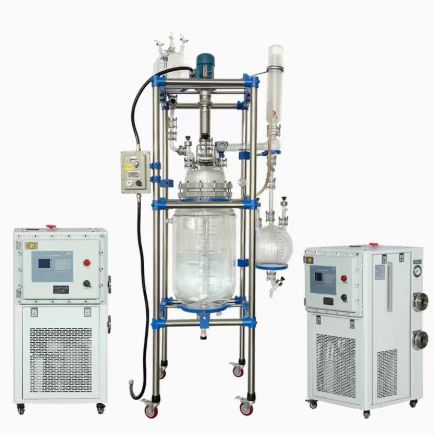
The crystallization pharmaceutical engineering reactor is a chemical equipment that integrates crystallization and filtration functions, which can complete material crystallization reaction and solid-liquid separation operation in the same container. It is the core equipment for modern pharmaceutical and fine chemical industries to achieve continuous and closed production.
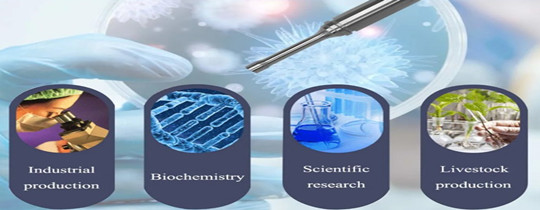
In modern industrial production, crystallization pharmaceutical engineering reactor play a crucial role. This type of equipment is widely used in fields such as chemical, pharmaceutical, and food industries for the separation and purification of solid substances. Its working principle is based on the use of physical barriers, such as filter cloth, screen mesh, etc., which can block the solid components in the liquid from passing through, thereby achieving effective separation of solid-liquid phases. Crystallize the dissolved solid substance under appropriate conditions using a solvent, and then filter out impurities and solvent using a filter to obtain pure crystals
Core advantages
1. Integrated design
Multi process integration: crystallization, filtration, washing, and drying in one to avoid frequent material transfer between different equipment
Sealed operation: reduce material exposure, decrease pollution and volatilization risks
2. Precise control ability
Temperature gradient control: The jacket temperature control system supports switching between cooling water or heat medium to achieve thermal control during the crystallization process
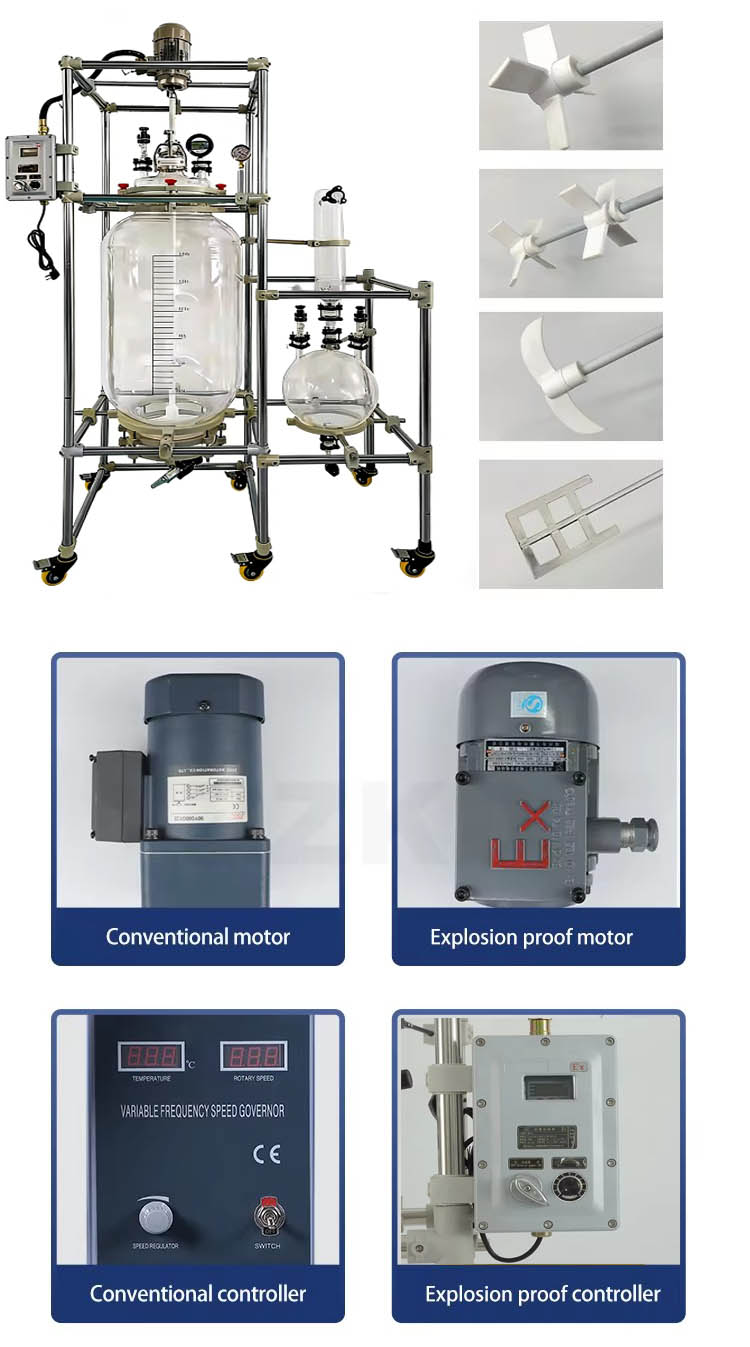
Mixing system: adjustable mixing speed, controlled grain size and morphology, ensuring uniform crystallization and controllable particle size
Automated management: adopting PLC+touch screen interface, easy and intuitive operation
3. Efficient separation performance
Multiple filtration methods: supports pressure filtration or vacuum filtration, suitable for high viscosity and high solid content materials
Differential pressure monitoring: Install differential pressure sensors to monitor the filtering status in real-time and determine if the filter material is clogged
Filtrate recovery: can be recovered or discharged online, meeting environmental protection requirements
4. Material and sealing
Material selection: High borosilicate glass material or 316L stainless steel production
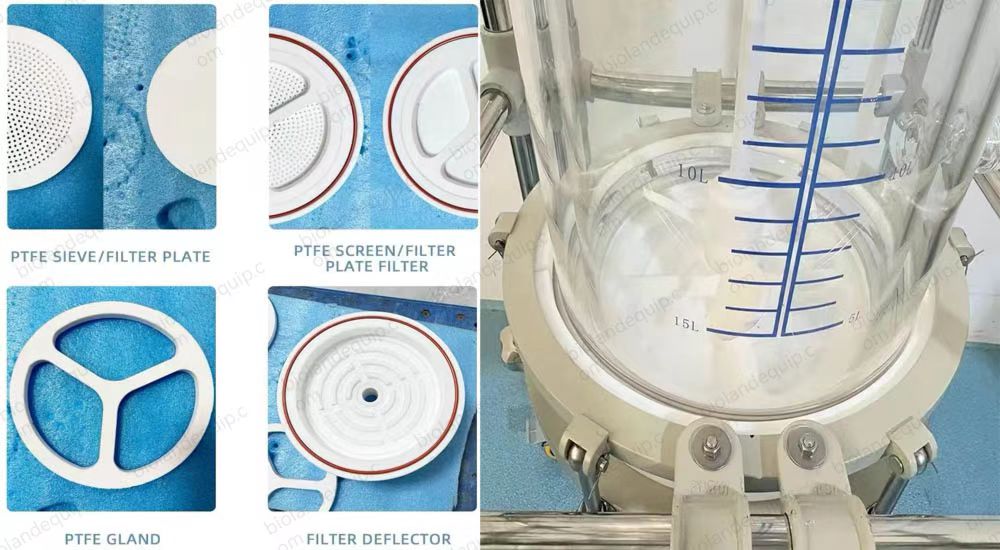
Mechanical seal: made of silicon carbide and polytetrafluoroethylene material, corrosion-resistant, wear-resistant, and high-temperature resistant, capable of achieving a high vacuum state of<2mbar for a long time
core component
Filter: As the heart part of the entire system, the filter is responsible for performing specific filtering operations. Common types include PTFE sand core filter plates, plate and frame filter presses, vacuum drum filters, etc.
Stirring/mixing unit: For application scenarios that require controlling crystal growth morphology or promoting uniform distribution, stirring/mixing units are particularly important.
Heating/cooling system: By precisely regulating the system temperature to affect the solubility curve, the goal of optimizing the crystallization process can be achieved.
Pumping and pipeline network: Ensure that materials flow along predetermined paths while supporting cleaning and maintenance operations.
Control system: PLC (Programmable Logic Controller) combined with touch screen interface is usually used for automated management, making operation more convenient and intuitive.
During the operation, it is important to choose the appropriate solvent and control the temperature and concentration conditions to ensure that the solid substance is fully dissolved and easily crystallized. In addition, it is necessary to choose suitable filtering media to ensure filtration efficiency and crystal purity. The parameters such as filtration speed and pressure also need to be carefully monitored, and the filter should be regularly maintained and cleaned.
Working principle
The crystallization principle involves using a solvent to crystallize dissolved solid substances under appropriate conditions (cooling/evaporation/reaction), forming an ordered crystal structure
Filtering principle: Using physical barriers such as filter plates and mesh screens to block the passage of solid components, achieving effective separation of solid and liquid phases
Temperature control: By introducing cooling water or heat medium through a jacket, the system temperature can be precisely controlled to affect the solubility curve and optimize the crystallization process
application field
Pharmaceutical industry: Many active ingredients in drugs require crystallization steps to achieve the required purity standards. For example, in the production process of antibiotics, it can help remove impurities and collect pure target compounds.Fine chemicals manufacturing: some chemicals for special purposes, such as dyes, essence, etc., have strict requirements on product morphology, and crystals of different shapes and sizes can be obtained by adjusting the crystallization conditions.
Food processing: The sugar industry is another typical example, in which the purification of sucrose cannot be separated from the crystallization filtration process.
Consultation