

Lab glass reactor system: The Key to Efficient Chemical Experiments
2026-05-09
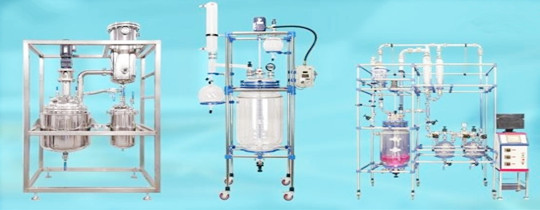
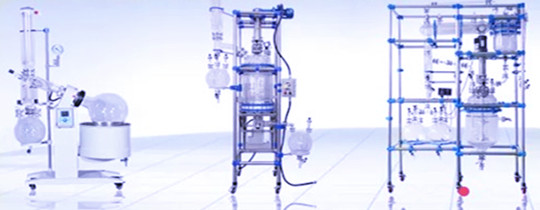
The glass reactor system is a complete combination of laboratory chemical reaction equipment, made of high borosilicate glass 3.3 (GG17) material, suitable for pilot and experimental production in fields such as chemical synthesis, biopharmaceuticals, and new material research and development. The system supports normal or negative pressure operation and can achieve various functions such as stirring, heating, cooling, distillation, reflux, etc.
The double-layer glass reactor system in the laboratory is not only an efficient experimental tool, but also a powerful assistant for researchers. This article will take you to a deeper understanding of the working principle, application scenarios, and key purchasing points of double-layer glass reactors, helping you to handle chemical experiments with ease.
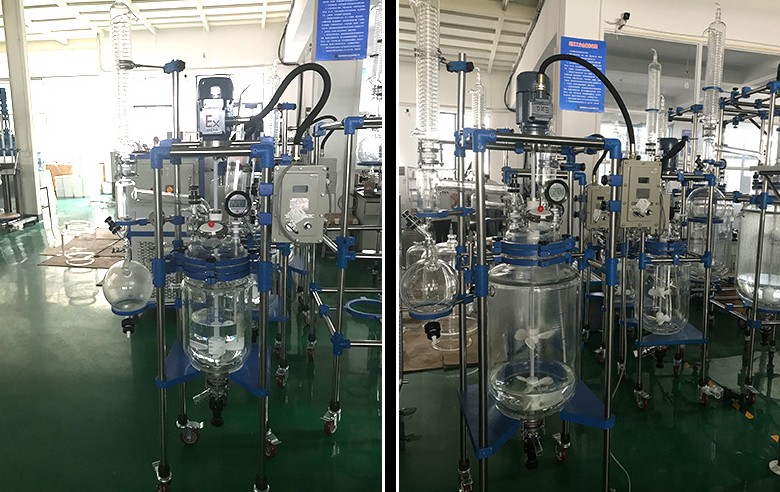
The structural design of glass reactor system is scientifically reasonable, usually consisting of the vessel body, stirring system, heating system, and feed valve control part. As the main container for the reaction, the inner wall of the kettle is precision ground and polished, with a smooth and corrosion-resistant surface, effectively preventing side reactions between reagents and the container. The mixing system is the heart of the equipment, mainly composed of a driving motor, a reducer, mixing blades, and a mixing shaft. During the reaction process, mechanical stirring generates shear force through rotation to ensure thorough and uniform mixing of the reactants, avoiding local overheating or uneven reaction, thereby ensuring the reproducibility of the reaction. Heating systems usually use electric heating jackets, electromagnetic heating plates, or oil bath pots, which can accurately control the reaction temperature according to experimental needs, and heat evenly to avoid errors caused by temperature gradients. The feed control part includes automatic feeding valves or manual valves, which can accurately control the amount and flow rate of liquid added, which is crucial for material metering in reactions.
Temperature control and optimization of reaction environment
Even small changes in temperature can have a significant impact on the reaction rate, which is a key element in the working principle of glass reactors. By coordinating the heating and cooling systems, operators can create the desired reaction environment.
For example, accurate temperature control is the foundation for successful synthesis of complex molecules under high temperature and high pressure conditions; In low-temperature reactions, it is necessary to rely on refrigeration devices to maintain low temperatures. This flexible temperature control capability enables the glass reactor to adapt to various harsh working conditions, from room temperature reactions to high-temperature synthesis, and even high-pressure sterilization.
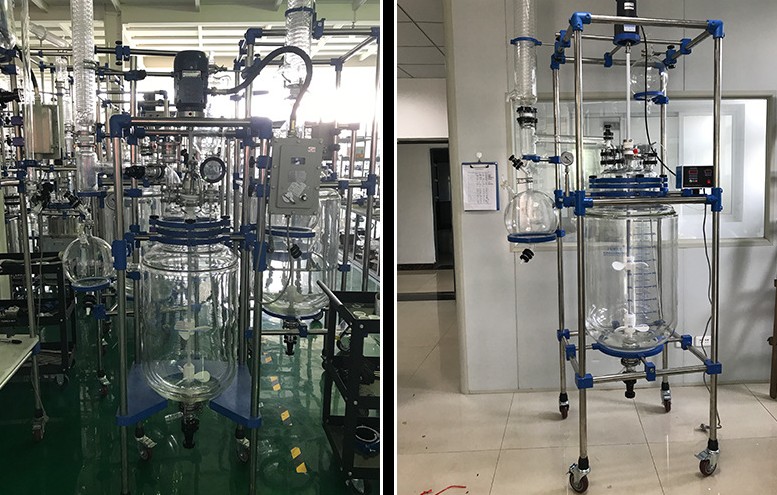
Sealing is a prerequisite for the safe operation of glass reactors. Its sealing ring is made of special materials, which have excellent chemical corrosion resistance and high pressure resistance. Even in long-term high-temperature and high-pressure reactions, it can maintain a tight closure, preventing volatile reagents from leaking or air from entering. This tight sealing design, combined with safety devices such as explosion-proof valves, constitutes the basic protective barrier of the equipment.
Trends in Automation and Intelligence
With the development of modern chemical technology, glass reactors are gradually evolving towards automation and intelligence. Modern equipment integrates a PLC control system, which can achieve functions such as fully automatic feeding, constant temperature reaction, and data acquisition.
For example, in continuous processing, the reaction kettle, when combined with an online monitoring system, can adjust reaction parameters in real time, greatly improving production efficiency. This intelligent transformation not only improves the reliability of the equipment, but also expands its application scenarios in high-end manufacturing.
Double layered glass reactor: the secret weapon for efficient experiments
A double-layer glass reaction vessel, as the name suggests, is a reaction vessel composed of two layers of glass inside and outside. Its inner layer is used to contain reactants, while the outer layer is used for circulating heating medium to achieve precise temperature control. This design not only improves thermal efficiency, but also effectively protects reactants from external environmental influences, ensuring the accuracy of experimental results.
Double layered glass reactors are widely used in various fields such as chemical engineering, pharmaceuticals, and food, especially in fine chemical synthesis, catalyst research, and biotechnology experiments, where they perform exceptionally well. It can not only withstand high temperature and high pressure, but also operate under reduced pressure conditions to meet different experimental needs.
Jacket heating and stirring: the core function of double-layer glass reactor system
Jacket heating is one of the key technologies for double-layer glass reaction vessels. By injecting heating medium such as hot water or thermal oil between the outer glass layers, uniform heating of the inner reaction vessel can be achieved. This heating method not only heats up quickly, but also has a uniform temperature distribution,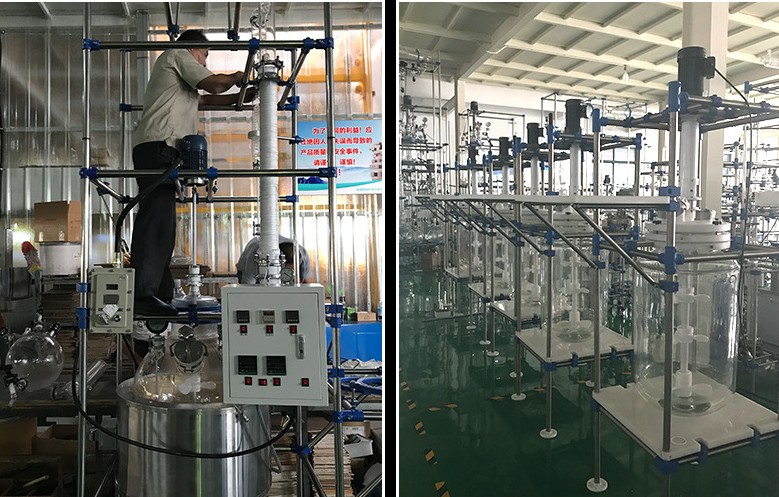
making it very suitable for experiments that require precise temperature control.
In addition to heating, stirring is also an important function of double-layer glass reaction vessels. By using the built-in stirring device, the reactants can be thoroughly mixed and the chemical reaction process can be accelerated. Whether it is magnetic stirring or mechanical stirring, it can be flexibly selected according to different experimental needs to ensure experimental results.
Vacuum distillation and stainless steel reactor: expanding experimental boundaries
Vacuum distillation is another highlight of double-layer glass reaction vessels. By reducing system pressure, substance separation and purification can be carried out at lower temperatures, especially suitable for the treatment of substances with higher boiling points or thermal sensitivity. This characteristic makes double-layer glass reactors widely used in organic synthesis and analytical chemistry.
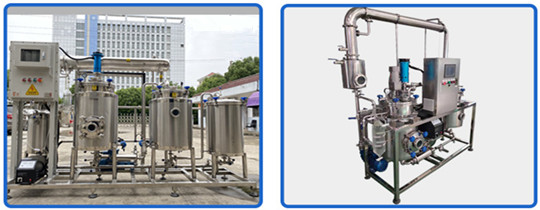
In addition to glass materials, stainless steel reaction vessels are also an indispensable part of the laboratory. Stainless steel reaction vessels are known for their excellent corrosion resistance and durability, making them particularly suitable for conducting experiments on corrosive substances such as strong acids and alkalis. In addition, stainless steel material is easy to clean and reusable, making it an ideal choice for long-term laboratory use.
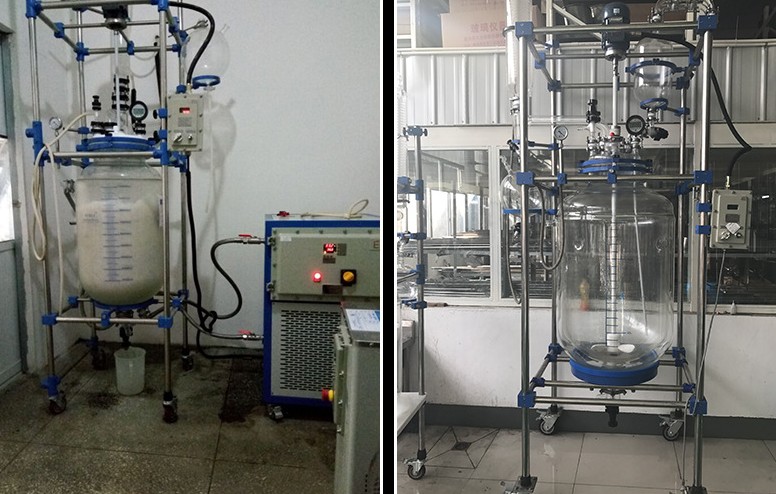
Purchasing Guide: How to Choose a Suitable Double layered Glass Reactor system
How to choose the most suitable double-layer glass reaction kettle for oneself when facing the dazzling array in the market? The first thing to consider is the specific requirements of the experiment. Different experiments may require different volumes, temperature ranges, and pressure levels, so it is important to carefully compare product parameters when selecting.
Secondly, material is also an important consideration factor. Although glass reactors have high transparency and are easy to observe the reaction process, stainless steel reactors are more suitable for conducting experiments with strong corrosiveness. Finally, it is important to pay attention to the brand reputation and service quality of the product, and choose products with good reputation and comprehensive after-sales service to ensure the smooth progress of the experiment.
In short, as an important equipment in laboratories, double-layer glass reaction vessels can not only improve experimental efficiency, but also ensure the accuracy and reliability of experimental results. I hope that through the introduction in this article, it can help you become more proficient in the process of purchasing and using, making every experiment a successful exploration journey.
If you want to learn more about the glass reactor system, please feel free to contact us by email info@bioland-china.com
Related News
MORE >-

What are the characteristics of pilot plant glass reactor used in chemical and pharmaceutical industries?
chemical reactor,reactor in chemical plant,batch chemical reactor ,chemical reactor plant,glass reactor vessel ,jacketed reactor vessel
-

Common Troubleshooting Methods for chemical glass reactor
batch glass reactor,lab glass reactor ,jacketed glass reactor,100 liter glass reactor,jacketed reactor vessel
-

Chemical synthesis glass reactor selection guide
chemical synthesis reactor,chemical glass reactor, 50L Chemical Glass Reactor, Agitated Nutsche Filter Jacket Reactor
Consultation