

ultrasound assisted extraction of polysaccharides from mushroom
2025-12-01
What is ultrasound assisted extraction?
Ultrasonic assisted extraction (UAE) is an efficient extraction technique that utilizes the cavitation, mechanical, and thermal effects of ultrasound to disrupt the structure of mushroom cell walls and accelerate the release of polysaccharides from cells into solvents. Compared to traditional hot water extraction methods, its core advantages lie in:
Extraction efficiency increased by 20% -50%: polysaccharide yield significantly increased per unit time;
Reduce energy consumption by 30% -50%: shorten extraction time (from a few hours to 10-30 minutes), reduce thermal energy consumption;
Better activity retention: Low temperature and short-term extraction avoid polysaccharide degradation due to high temperature, preserving biological activity;
Strong process flexibility: can be coupled with enzymatic hydrolysis, ionic liquids, supercritical fluids and other technologies to further optimize extraction efficiency.

How can ultrasound "unlock" mushroom polysaccharides?
When ultrasound propagates in liquid, it generates high-frequency vibrations (20-40kHz), causing violent movement of solvent molecules and forming "cavitation bubbles" (micro nano bubbles formed and ruptured instantly), which destroy cell structure and release polysaccharides through the following mechanisms:
Cavitation effect: When bubbles burst, local high temperature (5000K), high pressure (1000atm), and strong shock waves are generated, directly breaking the mushroom cell wall (mainly composed of cellulose, hemicellulose, and chitin), increasing the contact area between intracellular polysaccharides and solvents;
Mechanical effect: The microfluidics and shear forces generated by ultrasound accelerate the penetration of solvents into cells, while promoting the diffusion of polysaccharide molecules from the cell into the solvent;
Thermal effect: Ultrasonic energy is converted into thermal energy, and moderate heating (usually controlled at 40-70 ℃) can increase the rate of polysaccharide dissolution, but high temperature should be avoided from causing polysaccharide degradation (temperature control through water bath or cooling system is required).
Technical analysis of ultrasound assisted extraction of polysaccharides from mushrooms
Ultrasonic assisted extraction utilizes the cavitation, mechanical, and thermal effects of ultrasound to disrupt the structure of mushroom cell walls and accelerate the release of polysaccharides from cells into solvents. It is an efficient, energy-saving, and active ingredient preserving extraction technique that has significant advantages in extraction rate, time, and energy consumption compared to traditional hot water extraction methods. The following are the core technical contents:
1、 Technical principles and core advantages
When ultrasound propagates in liquid, it generates cavitation bubbles (formed and ruptured instantly), which destroy the mushroom cell wall through strong mechanical impact and increase the contact area between polysaccharides and solvents inside the cell; Meanwhile, the microfluidics and thermal effects generated by ultrasound can accelerate solvent penetration, improve the dissolution rate and extraction efficiency of polysaccharides.
Core advantages:
High extraction rate: 20% -50% higher than traditional hot water extraction method, and can extract more low molecular weight active polysaccharides;
Short time: The extraction time is reduced to 1/3-1/2 of traditional methods, significantly reducing energy consumption;
Good activity retention: Low temperature and short-term extraction can avoid polysaccharide degradation due to high temperature and preserve biological activity;
Flexible process: can be combined with enzymatic hydrolysis, ionic liquid method, etc. to further optimize the extraction effect.

Typical extraction process (taking shiitake mushrooms, chicken fir mushrooms, and shiitake mushrooms as examples)
The cell wall structure and polysaccharide properties of different mushrooms vary, and the extraction process needs to be optimized accordingly. The following are mature solutions:
1. Ultrasonic assisted extraction of polysaccharides from shiitake mushrooms (compound enzyme synergistic method)
Suitable for the stem of shiitake mushrooms, with an extraction rate of over 15%. Core steps:
1) Pre treatment: High quality mushrooms are dried and crushed, sieved through a 100-120 mesh sieve, with a material to liquid ratio of 1:2 (powder: water);
2) Ultrasonic pretreatment: Add purified water and treat with a CNC ultrasonic cleaner (power 200-400W, time 10-20 minutes), cool to room temperature;
3) Enzymatic extraction: Add a composite enzyme extraction solution (20-30 parts of composite enzyme, 10-20 parts of 5% phenol solution, 30-50 parts of purified water, the composite enzyme can be pectinase+cellulase, or hemicellulase+protease), and extract in a 50-60 ℃ water bath for 30-60 minutes;
4) Solid liquid separation: filter by suction for 20-30 minutes, retain the filtrate;
5) Concentrated precipitation: Evaporate and concentrate the filtrate for 2-3 hours, add polyethylene glycol (30-40 parts, concentration 45% -60%) to precipitate polysaccharides;
6) Purification and drying: The precipitate is washed with a 60% -100% concentration organic solvent (acetone/anhydrous ethanol) under reflux, centrifuged and dried (40-60 min), and then sieved through an 80-100 mesh sieve for encapsulation.
Advantages: The polyethylene glycol precipitation method only uses 1/5-1/3 of the traditional ethanol precipitation method solvent, reducing costs and waste liquid treatment pressure.
2. Ultrasonic assisted extraction of chicken fir mushroom polysaccharides (ionic liquid/enzymatic hydrolysis)
Optimization of antioxidant properties of chicken fir mushroom polysaccharides, comparison of two processes:
Ultrasound assisted ionic liquid method: The optimal conditions are 1.5mL of ionic liquid, ultrasound time of 33min, solid-liquid ratio of 1:33, temperature of 56 ℃, extraction rate of 26.79mg/g, and significant antioxidant activity of polysaccharides;
Ultrasonic assisted enzymatic hydrolysis: The optimal conditions are enzyme solution 2.2mL, temperature 51 ℃, and solid-liquid ratio 1:21. The extraction rate is slightly lower than that of ionic liquid method, but the process is milder and suitable for heat sensitive polysaccharides.
3. Ultrasonic assisted extraction of polysaccharides from mushroom mycelium (single factor+orthogonal optimization)
Using the mycelium of Mongolian mushroom as raw material, the optimal conditions were determined through single factor and orthogonal experiments
Ultrasonic power of 18% (rated 900W), ultrasonic time of 20 minutes, liquid to material ratio of 40:1 (V: m), extraction temperature of 75 ℃, extraction rate of 13.96%, far higher than traditional hot water extraction method
Feature of ultrasound assisted extraction of polysaccharides from mushroom
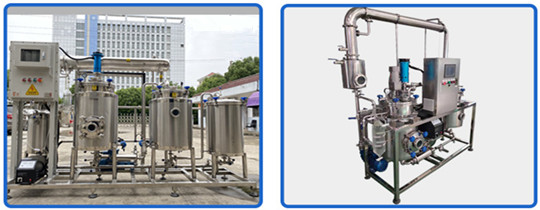
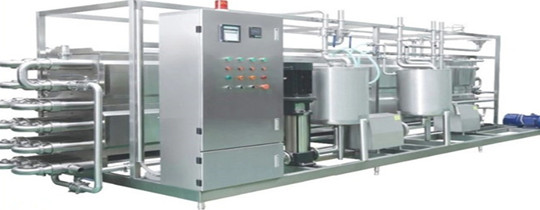
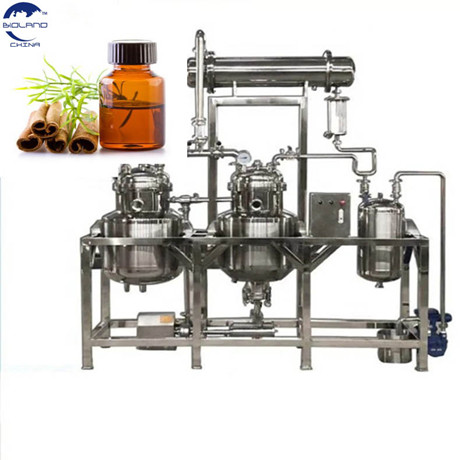
1)The ultrasound assisted extraction of polysaccharides from mushroom is dynamic extraction cycle, do repeated ultrasound, repeated extraction to the material. The extraction rate of this countercurrent circulation ultrasonic extraction unit higher than the average ultrasonic extraction.
2)ultrasound assisted extraction of polysaccharides from mushroom using frame structure, compact structure, convenient operation, comes with cleaning function.
3)The ultrasound assisted extraction of polysaccharides from mushroom with different filter systems according to the different materials of customer.
4)ultrasound assisted extraction of polysaccharides from mushroom, use high-power of shaped ultrasonic generator. The ultrasonic power can be adjust, the ultrasonic electronic control is touch screen dynamic display control system.
Typical extraction process (taking shiitake mushroom polysaccharides as an example)
Raw material pretreatment: Grind the stem of dried shiitake mushrooms (100-120 mesh), with a material to liquid ratio of 1:2 (g: mL);
Ultrasonic pretreatment: CNC ultrasonic cleaner (power 200-400W, time 10-20 min, temperature 25-40 ℃), intermittent ultrasonic (ultrasonic 5 min+cooling 2 min cycle 3-5 times);
Enzymatic extraction: Add compound enzyme (pectinase+cellulase, with an addition amount of 2% -5%), and extract in a water bath at 50-60 ℃ for 30-60 minutes (pH 5.5-6.5);
Solid liquid separation: Centrifuge (4000-6000r/min, 10-15 min), retain the supernatant;
Concentrated precipitation: Rotate and evaporate to 1/3 of the original volume, add polyethylene glycol (PEG 6000, dosage 30% -40%) to precipitate polysaccharides;
Purification and drying: Wash the precipitate with acetone/ethanol, vacuum dry or freeze dry at 40-50 ℃, and encapsulate it through an 80-100 mesh sieve.
Extraction rate: up to 15% -18% (based on dried mushroom powder), an increase of 30% -50% compared to traditional hot water extraction method.
Application area: Full scene coverage from medicine to food
The ultrasonic extraction technology of mushroom polysaccharides has been widely used in the fields of medicine, food, cosmetics, feed, etc. The core application cases are as follows:
1. Pharmaceutical field: immune regulation and anti-tumor core components
Tumor adjuvant therapy: Lentinan is the first mushroom polysaccharide anti-tumor drug approved in Japan. When used in combination with chemotherapy/radiotherapy, it can improve the overall efficacy rate (58% -81%) of patients with cervical cancer, gastric cancer, and lung cancer, alleviate bone marrow suppression, and improve quality of life;
Antiviral therapy: Mushroom mycelium extract can inhibit the replication of herpes virus and cytomegalovirus, assist in the treatment of chronic hepatitis B, and enhance T cell immune function;
Autoimmune disease regulation: By balancing Th1/Th2 cytokines, improve the immune imbalance in psoriasis and scleroderma.
2. Food field: Functional ingredients and nutritional enhancement
Immune enhancing foods: added to milk powder and health products to enhance the immunity of children and the elderly, and reduce recurrent respiratory infections;
Hypoglycemic/lipid-lowering foods: Hericium erinaceus polysaccharides and Pleurotus ostreatus polysaccharides are added to meal replacement powders and beverages to assist in regulating blood sugar and lipid metabolism;
Antioxidant preservative: Adding Tremella fuciformis polysaccharides to fruit juice and dairy products can delay oxidation and extend shelf life.
3. Cosmetics field: anti-aging repair and skin barrier repair
Anti aging essence: Lentinan is added to anti-aging products to improve fine lines and relaxation by activating skin immune cells, promoting collagen synthesis;
Barrier Repair Cream: Tremella fuciformis polysaccharide forms a breathable protective film, locks in moisture, repairs damaged skin barriers, and is suitable for sensitive skin care.
4. Feed field: Animal immune enhancement and intestinal health
Livestock and poultry feed additives: Adding mushroom polysaccharides can enhance the immunity of pigs and chickens, reduce the incidence of diseases, and improve the balance of gut microbiota;
Aquatic feed: Adding polysaccharides from shiitake mushrooms to fish and shrimp feed enhances disease resistance and promotes growth.

Do you want to know the differences in ultrasonic extraction processes for different mushrooms (such as Hericium erinaceus and Tremella fuciformis), or specific formula cases of mushroom polysaccharides in cosmetics? Contact our technical engineers anytime -info@bioland-china.com
Related News
MORE >-

What are the characteristics of pilot plant glass reactor used in chemical and pharmaceutical industries?
chemical reactor,reactor in chemical plant,batch chemical reactor ,chemical reactor plant,glass reactor vessel ,jacketed reactor vessel
-

Common Troubleshooting Methods for chemical glass reactor
batch glass reactor,lab glass reactor ,jacketed glass reactor,100 liter glass reactor,jacketed reactor vessel
-

Chemical synthesis glass reactor selection guide
chemical synthesis reactor,chemical glass reactor, 50L Chemical Glass Reactor, Agitated Nutsche Filter Jacket Reactor
Consultation